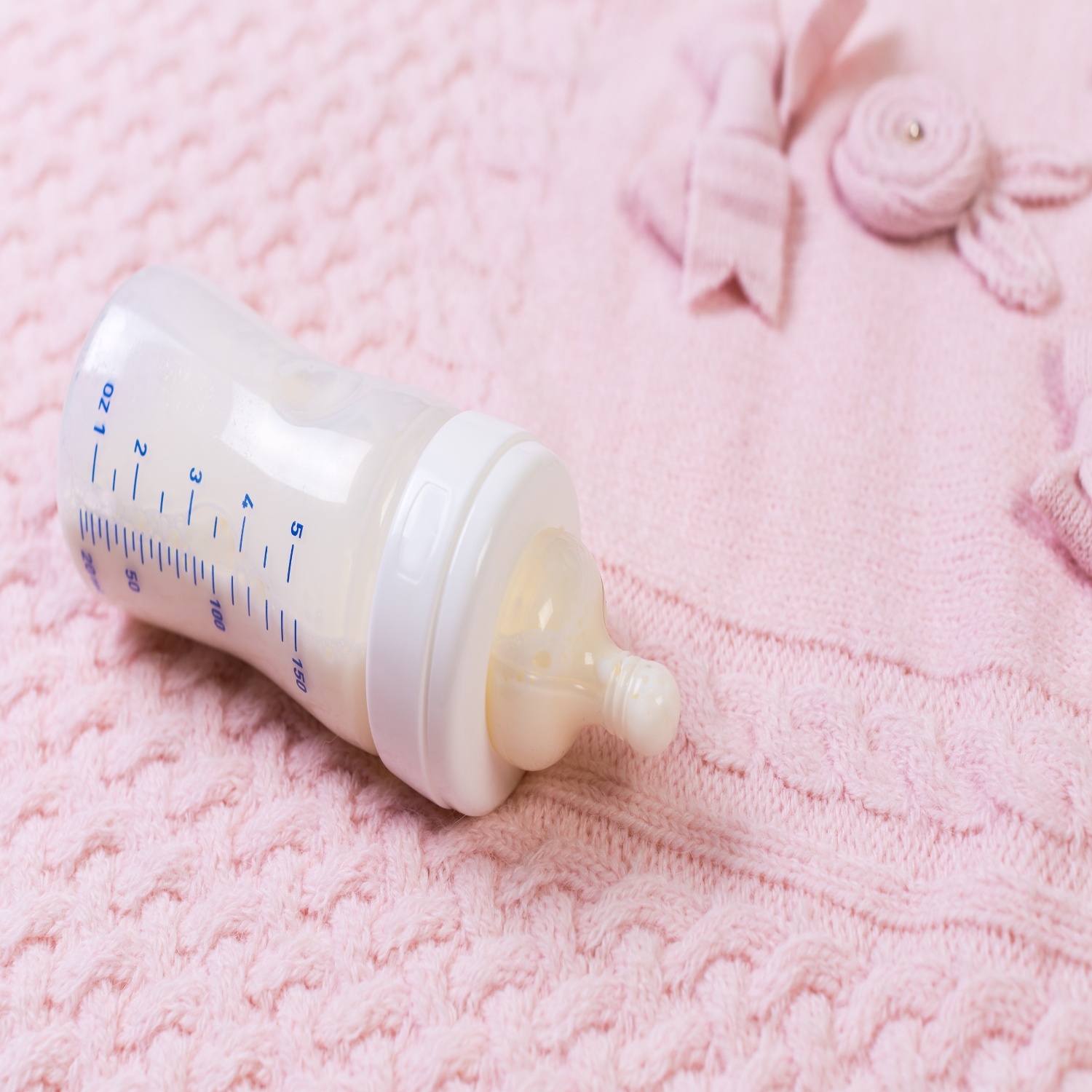
Choosing the best 9 oz bottle for newborn feeding is about more than just ounces and measurements. As every parent quickly learns, babies change fast in the early months—what fits week one may not be enough by week eight. Finding a bottle that adapts to your baby’s needs brings practical relief and comfort. It means fewer frantic refills during midnight feeds, less waste, and a feeding routine that feels just a bit steadier. In 2025, the right 9 oz bottle offers safe materials, designs that support healthy development, and supports parents in bringing both science and heart to every feed.
Understanding the 9 oz bottle for newborn feeding needs
As babies grow, their feeding requirements do too. Many parents start with small newborn bottles—often 4 or 5 ounces—because a baby’s stomach can only hold so much in the first weeks. But before long, those early feeds give way to bigger appetites, and quickly refilling tiny bottles becomes part of daily life. The 9 oz bottle for newborns can act as a bridge: large enough to handle growing hunger, but still gentle and safe for small hands and mouths.
Healthcare providers recommend listening to your baby’s cues and gradually increasing feed volume. Having a bottle that “grows” with your infant brings peace of mind, allowing parents to stay ahead of developmental leaps. It simplifies night feeds, keeps routines smooth, and reassures you that you’re ready for every growth spurt.
When does a newborn need a 9 oz bottle?
Most newborns start with 2-4 ounce feeds in the earliest weeks. By 2-3 months, however, babies may consistently take 5-7 ounces per feed. The shift to a 9oz bottle usually happens as infants transition to fewer, larger meals—often around two months, depending on their unique needs and growth patterns. Pediatric experts recommend paying attention to hunger cues to avoid over- or under-feeding, ensuring a bottle size that can meet growing appetites while giving parents flexibility to respond without stress.
The balance of size, convenience, and feeding frequency
For busy families, a 9 ounce bottle can be a game-changer. Larger bottles reduce the need to refill mid-feed, making late-night feeding smoother and less disruptive. With more capacity, parents can safely offer the right amount of milk or formula as needed, minimizing messes and helping avoid spills from overfilled smaller bottles. A well-sized bottle supports practical routines—whether for home feeds or on-the-go moments—without encouraging overfeeding. It’s a simple tool with a big impact on family comfort.
What to look for in a 9 oz bottle for newborns
With endless options available, choosing a bottle can feel overwhelming. Focusing on a few evidence-based features can provide clarity and confidence. The right 9oz bottle balances newborn comfort with practicality and long-term safety for your family.
Nipple design and latch: Breast-like shapes for smoother transitions
Nipple shape matters for both acceptance and oral development. A breast-like nipple supports easier transitions between breast and bottle, reducing the risk of nipple confusion. Wide, soft nipples better mimic the real thing—encouraging a natural latch and more comfortable feeds. Many parents notice that babies switch more willingly when the nipple feels “familiar,” making mixed feeding less stressful. For more on best practices, see the American Academy of Pediatrics breastfeeding guidance.
How anti-colic bottles make a difference
Many modern 9 ounce bottles offer anti-colic or venting systems. These reduce swallowed air, which can otherwise cause gas, spit-up, and feeding discomfort. Research supports that anti-colic technologies—such as internal vents or silicone inserts—can help keep babies more comfortable, particularly in the early months. Parents are often reassured when bottle choice lessens the chances of those fussy, unsettled spells that come with feeding discomfort.
Material safety and eco-friendly choices
Bottle material can affect both health and sustainability. BPA-free plastic is lightweight and shatterproof, but some families prefer the durability and chemical neutrality of glass. Hybrid options combine the convenience of plastic with glass inner linings or sustainable silicone. Consider your priorities: long-term safety, environmental impact, and daily practicality. For deeper information, see the FDA’s guidance on baby bottle material safety.
Cleaning and maintenance for modern parents
Simplicity is key in family life. Bottles that are easy to disassemble, clean, and sterilize save time and frustration. Look for designs with fewer parts, dishwasher and sterilizer compatibility, and clear cleaning instructions. A manageable cleaning routine supports both infant health and parental well-being, helping families spend more time together and less time at the sink.
New innovations in 9 oz bottle technology
Today’s baby bottle market is shaped by real parent needs: simplicity, safety, and sustainability. While not every family needs high-tech feeding gear, staying aware of innovations can inform smart decisions as products evolve.
Smart bottles and digital tracking features
Some 9oz bottles now offer digital add-ons—volume trackers that sync to apps, or temperature sensors for peace of mind. These features may benefit families who love data, are tracking intake for medical reasons, or simply want extra reassurance. Smart bottles are not essential, but for some, these advances make the feeding journey easier.
Sustainable and hybrid material options
Green design is gaining ground, with hybrid bottles combining durable plastics, glass, and food-safe silicone. These options answer concerns about both safety and the planet, allowing parents to minimize waste or opt for reusable, long-lasting solutions. Many families now seek products that blend practical use with eco-friendly ethics.
Premiumization and future-forward trends
The rise of premium bottles reflects shifting parent priorities. Features such as improved durability, more “natural” feeding experiences, and bottle systems compatible with pumps or accessories are now more common. While not every new advance fits every family, the trend is toward flexibility—bottles that work harder, last longer, and match evolving parent demands.
Practical tips for comfortable and safe bottle feeding
Successful bottle feeding goes beyond the bottle itself. Parents today face common transitions and challenges—juggling breast and bottle, soothing discomfort, and ensuring safety through cleaning. Gentle, consistent routines help families find their rhythm.
Supporting smooth transitions between breast and bottle
Introducing a 9 ounce bottle can be easier if you choose a nipple with a breast-like shape and feel. Offer the bottle when baby is calm, not too hungry, and use paced feeding techniques. Alternate between breast and bottle to build familiarity. For additional guidance, the La Leche League offers insights on bottle-feeding transitions.
Reducing gas, spit-up, and colic with your bottle choice
Anti-colic features work best when combined with proper feeding positions—hold your baby upright and ensure the nipple is always full of milk to minimize air intake. Selecting a vented or anti-colic 9 oz bottle may help reduce discomfort and fussiness after feeds. For more help, see Mayo Clinic’s colic resources.
Cleaning, sterilizing, and safe maintenance routines
Daily cleaning makes a big difference. Wash bottles thoroughly after every use with hot, soapy water, and sterilize regularly according to health guidelines. Dishwasher-safe bottles add convenience, while clear assembly reduces mistakes. Remember, safe and simple care routines boost both hygiene and parental confidence—no one method fits all, and what matters most is consistency and safety.
Parent-led insights and buying experiences in 2025
Today’s parents are informed, compassionate, and pragmatic. Most weigh word-of-mouth, online reviews, expert recommendations, and personal values equally. Safety, simplicity, and adaptability often rank highest, along with eco-consciousness for many families.
How parents choose their 9 oz bottle for newborns
Decisions blend research, intuition, and shared stories. While some parents are drawn to brands that echo their priorities—like sustainable manufacturing or easy-clean features—most focus on quality, proven comfort, and trusted advice from other families. Emotional reassurance and tangible performance go hand in hand.
Popular places to buy and compare bottles today
In 2025, parents source bottles from a mix of online retailers, specialty baby stores, and larger supermarkets. Many enjoy the convenience of quick online delivery, but still appreciate seeing bottles in person for size and feel checks. Comparison shopping allows families to judge which design will fit seamlessly into their routines.
Balancing budget, safety, and family needs
Spending reflects both practicality and peace of mind. Families are often willing to invest a bit more for bottles that offer reassurance—whether with enhanced safety features or proven comfort. Still, most seek a balance: safe, well-designed 9oz bottles that suit unique routines, without excess or overspending.
Further resources for informed bottle feeding
Informed decisions grow from expert resources. For authoritative guidance, consider:
Parenthood is a journey of gentle choices. Whether you’re preparing for your first baby or adapting to new feeding needs, the best 9 oz bottle for newborns supports family well-being—one safe, comfortable feed at a time.