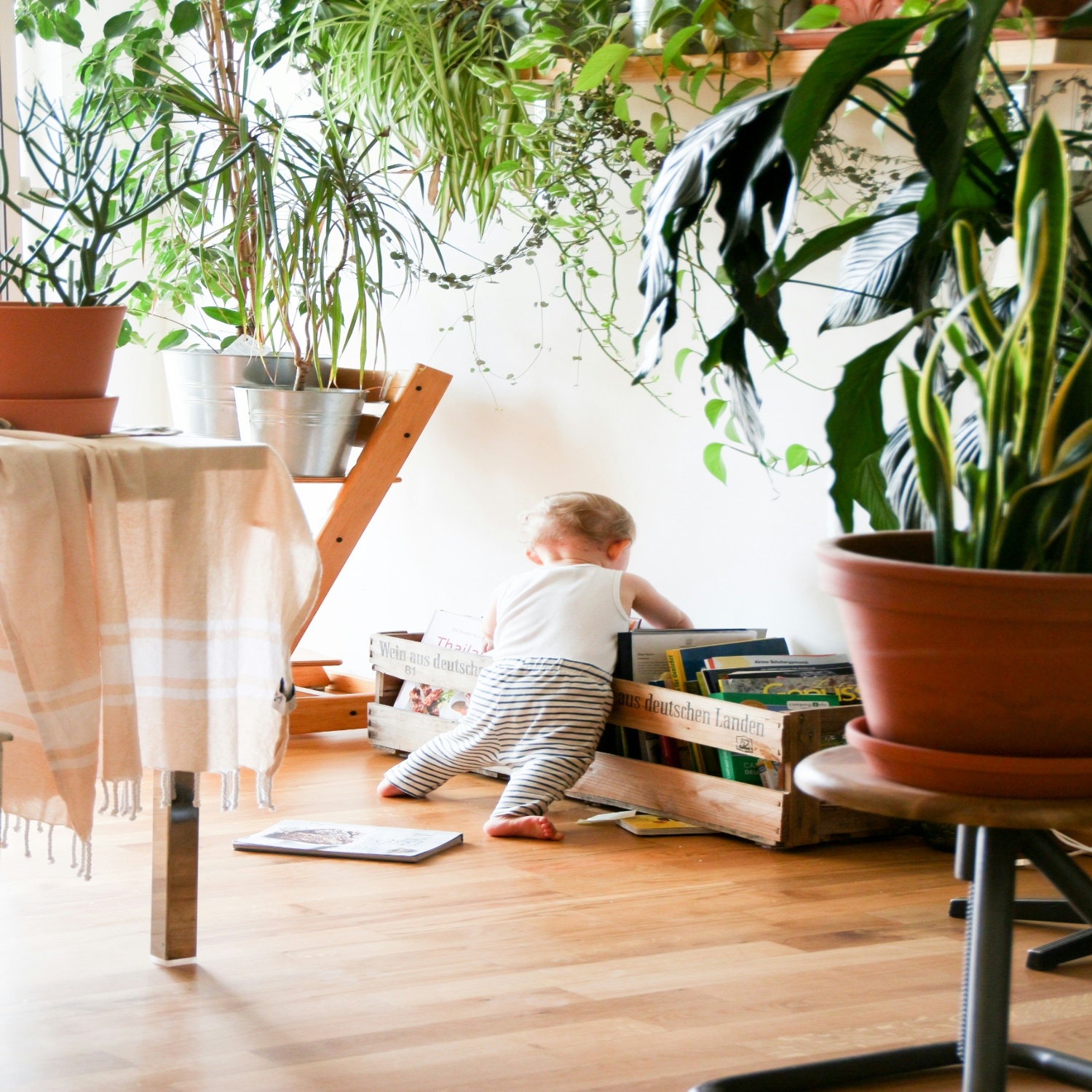
In the first year of life, babies learn through movement, touch, and play. For many families, an activity gym becomes a centerpiece of early development. But not all play gyms are created equal. With new designs and deeper research, 2025 is an exciting time for parents seeking both safe and inspiring activity gyms for their babies. Here, we guide you through what makes the best activity gyms for baby development—backed by expertise, care, and a respect for your family’s unique needs.
Understanding activity gyms and your baby’s early development
An activity gym—sometimes called a baby gym, infant gym, or play gym for newborns—is a soft mat or padded surface, often with arches overhead. From these arches, toys dangle within reach of your little one. Some include mirrors, textures, crinkle sounds, and rattles designed for tiny hands. These simple-seeming structures are carefully engineered to nurture a baby’s senses, muscles, and motor skills.
Why have activity gyms become almost essential for modern parents? Science shows that active floor time supports crucial milestones: head control, neck and core strength, visual tracking, reaching, grasping, and coordination. Activity gyms encourage safe movement and exploration. With your baby on their back or tummy, these gyms make it easy to practice rolling, kicking, and early hand-eye coordination—essential for healthy development.
Every family creates their own special play space. For some, a simple playmat is enough. For others, a dedicated infant activity gym feels just right. There’s no one-size-fits-all answer—just diverse ways to support growth with love and intention.
Trends and innovations shaping the activity gym in 2025
Shift toward developmental and sensory-rich experiences
Parents today want more than passive toys. Awareness has grown about how early sensory play shapes the brain. The best activity gyms now feature a range of textures, colors, and sounds carefully tuned to stimulate a baby’s senses without overwhelming them. High-contrast patterns, gentle music, and tactile elements make each session uniquely engaging. Research shows interactions like reaching, grasping, and following moving toys activate brain pathways for language, movement, and learning—setting a strong foundation for later milestones.
Sustainable, minimalist, and Montessori-inspired designs
Eco-conscious choices continue to rise. Many parents prefer a wooden infant activity center made from renewable materials, or a Montessori activity gym with simple, natural elements. The Montessori-inspired approach means less clutter—fewer, carefully chosen toys, open-ended play that encourages discovery, and a layout that grows alongside your child. An eco-friendly play gym may feature organic cotton, bamboo, or responsibly sourced wood, reflecting a commitment to both child safety and the planet’s health. Simplicity, beauty, and sustainability are valued as much as stimulation and fun.
Tech integration balancing innovation and screen-free principles
2025 has brought activity gyms with thoughtful tech integrations—like music modes, developmental tracking, and even app-controlled lighting or sounds. Still, many parents value gym toys for infants that promote tactile, screen-free play and protect privacy. While technology can offer new ways to support milestones, there’s wisdom in balance. The majority of experts recommend avoiding screen-based features for babies, focusing instead on sensory-rich activities and parent interaction.
How activity gyms support every stage of infant development
For newborns promoting visual tracking and early muscle strength
A play gym for newborns offers a soft, safe space for essential early movement. Hanging toys, high-contrast shapes, and unbreakable baby mirrors attract young eyes and help with visual focus. Short sessions of supervised tummy time, a core benefit of these gyms, gently encourage neck, shoulder, and core muscle strength—key for rolling, propping, and eventually sitting. Remember: Every baby develops at their own pace, and comparison is unnecessary. Gentle, frequent practice supports healthy growth.
For 3 to 6 months reaching, grasping, and tummy time fun
As babies’ vision sharpens and hands become more coordinated, activity gyms invite reaching, swatting, and grasping. Rattles, soft rings, and crinkly fabrics stimulate sound and touch. Mats with raised textures encourage kicking and foot play, vital for gross motor skills. Adjustable arches and repositionable toys keep routines fresh. Pediatric physical therapy sources emphasize the importance of alternating positions and providing opportunities for both back and tummy play to develop a full range of movement.
For pre-crawlers and toddlers movement, balance, and independent play
Older babies use gyms in new ways—sitting up under the arches, manipulating toys, or even pulling up for balance practice. Some modular gyms support transition into independent kneeling, climbing, and standing games as pre-crawling skills emerge. When your child starts exploring beyond the mat, it may be time to think about transitioning out of the activity gym and into new play environments for older infants. Every stage brings new opportunities for movement, self-confidence, and discovery.
Expert recommendations for safe use
Most experts suggest keeping newborn activity gym sessions to 10–20 minutes, a few times per day, as overstimulation is possible. Older babies may enjoy 30-45 minute stretches, always with an adult nearby. Assembly should follow manufacturer guidelines—check for secure arches, stable bases, and toys that cannot detach or pose a choking risk. Select age-appropriate toys and inspect regularly for wear or loose parts. Above all, supervision is key for safe exploration.
What parents value most when choosing an activity gym
Safety and ease of cleaning
Parents often want reassurance around toy safety and hygiene. Look for non-toxic materials, BPA-free plastics, organic fabrics, and securely attached toys. Machine-washable play mats and removable cloth toys simplify cleaning. Anxiety about germs or chemical exposure is normal, but regular cleaning and careful product selection help minimize risk.
Versatility and long-term adaptability
Many families now seek activity gyms with adjustable arches, convertible positions (back, tummy, sitting), and gym toys for infants that can be swapped as a child grows. Modular gyms allow a single piece to serve from the newborn period through the first year. This reduces clutter, increases value, and supports a child’s constantly changing interests and abilities.
Supporting family values sustainability, design, and practicality
A sustainable activity gym may be top of mind for some parents, while others prioritize aesthetics or compact size. Wooden, minimalist, or eco-friendly baby gear often reflects larger family values around simplicity, environmental responsibility, or mindful living. Your preference for a play gym for newborns or another type of set-up is a reflection of what matters to your household—not simply a matter of keeping up with trends.
Selecting the best activity gym for your unique baby
Consider your baby’s temperament (do they prefer visual toys or tactile objects?), available space, cleaning needs, and your budget. Not every feature will suit every stage or every family, and that’s perfectly fine. Personalization—finding what feels right for you and your child—matters most when welcoming an activity gym into your home.
Practical tips and safety guidelines for making the most of your activity gym
How much time is right setting healthy limits
While research gives ranges—such as 10–20 minutes per session for infants—what counts is quality, not just quantity. Integrate tummy time and free movement alongside periods in the activity gym. Rotate activities based on alertness and your baby’s mood, rather than watching the clock. Sensitivity to your child’s cues helps support development and avoids overstimulation.
Supervision and safe play at every stage
Supervised play is always best. Even older babies should not be left unattended in a gym. Regular checks for damage or loose parts are essential, especially if siblings or pets share the space. Create a dedicated play zone that’s protected from hazards and distractions, so everyone feels secure.
Maintaining a clean, supportive play environment
Wash fabric play mats and plush gym toys for infants weekly, and spot-clean after spills. Wooden frames can be wiped with a damp cloth, using gentle soap if needed. Rotate toys in and out to maintain interest and cater to new developmental stages—this keeps play fresh and challenging in a safe way.
Knowing when your baby is ready to move on
Babies may start to lose interest in activity gyms once crawling and pulling up become more engaging than lying under arches. Signs include rolling away, reaching for items outside the mat, or showing strong interest in new surroundings. When this happens, it’s time to transition to floor play, climbing structures, or gross motor toys designed for older babies—offering new ways to challenge balance and coordination.
Supporting your baby’s development, your family’s way
Parenting decisions are both science-based and deeply personal. The best activity gym is one that feels right for your home, your values, and your baby’s budding sense of play. Whether you lean toward a wooden infant activity center, a Montessori activity gym, or a simple, eco-friendly play gym, what matters most is encouraging curiosity, joyful movement, and connection. For more gentle ideas on play, discover our guide to screen-free play for babies, or explore how to create a play space that grows with your child. Trust your instincts, celebrate progress, and let your baby’s discovery journey unfold in a way that supports your family best.