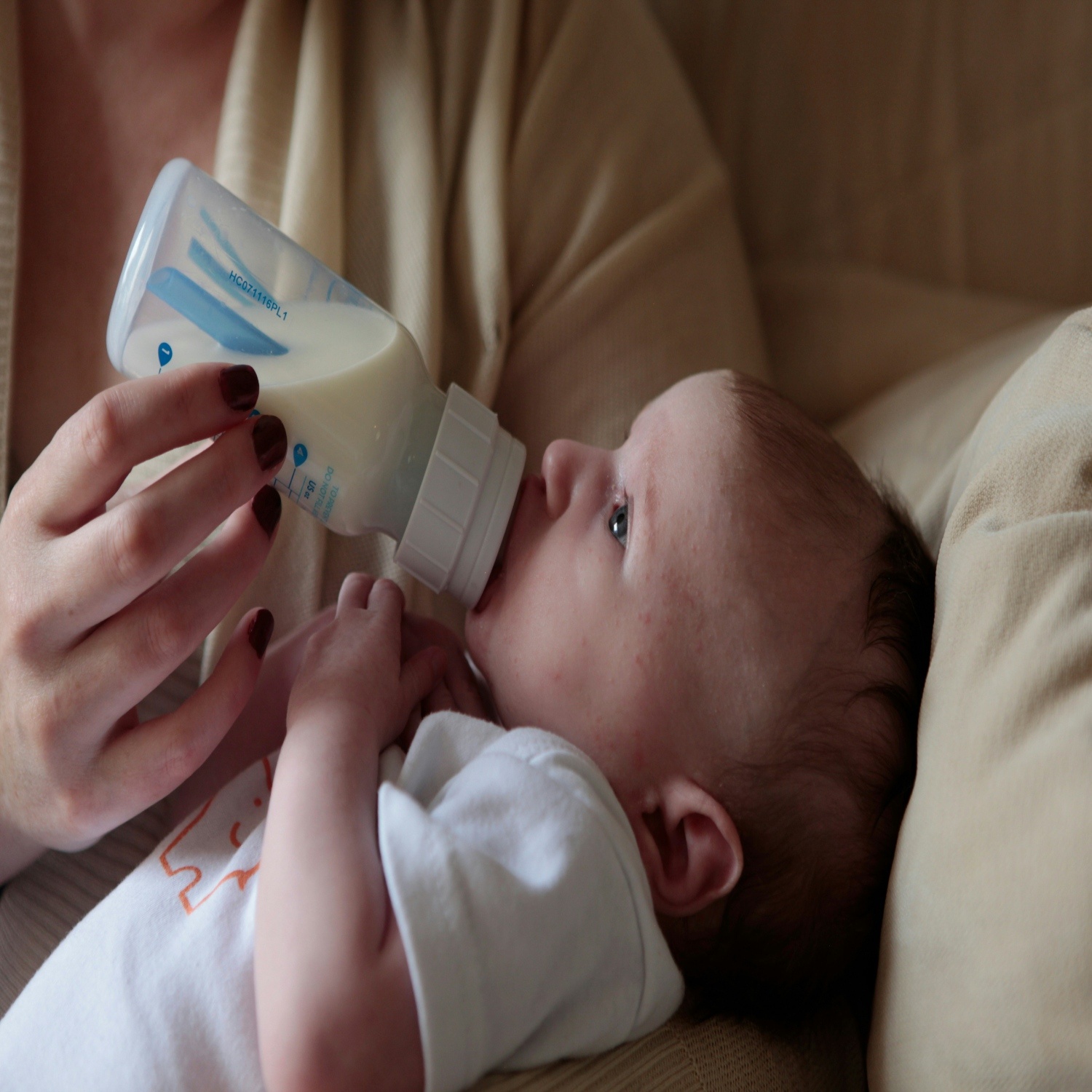
The early days of parenting are a swirl of growth and discovery, for both babies and their caregivers. Around two months old, many families encounter a new challenge— the 8 week sleep regression. This phase often brings unexpected changes to your baby’s sleep patterns, leaving even seasoned parents feeling puzzled or overwhelmed. The good news is that this transition is common, a sign of important brain development, and completely manageable with gentle understanding and support.
What is the 8 week sleep regression and why does it happen
The 8 week sleep regression—or the 8 week old sleep regression—refers to a sudden shift in an infant’s sleep around their second month. Parents might notice that a baby who was settling down at night or napping predictably now wakes more frequently, resists sleep, or seems unusually fussy. For caregivers, this can feel frustrating, confusing, or even discouraging, especially when you’re already low on sleep.
Unlike the more widely discussed 4 month sleep regression, this earlier phase is rooted in different biological changes. The 8 week sleep regression is a normal, temporary disruption as your baby’s brain and body adapt to new rhythms. Knowing that this is a universal—even expected—part of infancy can ease some of the worry. For a deeper look at your baby’s changing sleep patterns, you might explore resources on infant sleep cycles.
The science behind your baby’s sleep changes
Sleep may seem mysterious, but at eight weeks, it is following a natural, healthy process. Around this age, your baby’s internal clock—the circadian rhythm—begins to mature. Their tiny bodies start to make melatonin, the hormone that signals sleep, in response to light and darkness. This evolution helps set the foundation for future sleep habits, but often leads to irregular naps and night wakings in the short term.
Your baby is also experiencing rapid developmental leaps. New sensory awareness, brain connections, and physical skills can disrupt prior sleep patterns. This upheaval is not a developmental setback. Instead, these changes show your baby is growing, learning, and adapting exactly as they should. Sleep regressions, including the 8 week regression, are often a sign of healthy milestones underway.
Signs and symptoms of the 8 week regression
Common signs of the 8 week old sleep regression
Every baby’s journey through the 8 week sleep regression looks a little different, but common symptoms include:
- More frequent night wakings, despite previous longer stretches
- Shorter naps, or naps that are hard to predict
- Increased fussiness, especially near sleep times
- Difficulty falling or staying asleep
- Clinginess or a greater need for comfort
Some parents may also notice more crying or changes in feeding patterns. Whether these symptoms sneak in quietly or arrive all at once, they reflect normal adjustment—not a sign that anything has gone wrong.
How each baby’s sleep regression may be different
Just as every baby is unique, so is the 8 week sleep regression experience. Some infants glide through with only small shifts, while others face bigger upheavals. The duration might be just a few days, or a few weeks. This variability is normal and expected. Your baby’s temperament, feeding patterns, and developmental pace all play a role. Try to observe without judgement or comparison, trusting that there’s no single “right” way for your child to move through this phase.
Coping strategies for the 8 week sleep regression
Supporting your baby through sleep upheaval
Navigating the 8 week sleep regression asks parents for flexibility and gentle routines. Here are supportive strategies for this tender stage:
- Keep bedtime and nap routines simple and consistent. A short, calming ritual—feeding, cuddles, soft song—can cue your baby that sleep is coming.
- Create a soothing environment. Dim lights, a swaddle or sleep sack, and white noise can ease transitions.
- Watch your baby’s wake windows. At this age, most babies manage 45-90 minutes awake before needing sleep. Adjust based on your child’s cues, not the clock.
- Look for signs of tiredness: yawning, rubbing eyes, turning away. Offer sleep before overtiredness sets in.
- Respond with gentle soothing overnight—rocking, patting, or a pacifier. For middle-of-the-night wakings, prioritize comfort and safety over forcing schedules.
Remember, flexibility is key. Your baby’s cues, not rigid routines, should guide you through this period.
When to seek extra help
Most babies move through the 8 week sleep regression with time and patience. However, if sleep disruptions feel extreme, your baby shows signs of illness, or you are struggling to cope emotionally, reaching out is wise and welcome. A pediatrician or sleep consultant can help rule out underlying issues and provide tailored support. Trusted resources like HealthyChildren.org are also excellent for guidance and reassurance.
Caring for yourself during the 8 week sleep regression
Sleep regressions affect the whole family, not just the baby. If you’re feeling exhausted, frustrated, or uncertain, you are not alone. Embrace support—share nighttime duties when possible, ask friends or family for help, and rest during the day when you can. Lower expectations for nonessential chores, and prioritize basic self-care, even in small ways.
It can be helpful to connect with other parents who have been here, too. Online communities and organizations like Postpartum Support International provide spaces for sharing and understanding. Remember, taking care of yourself is inseparable from caring for your baby.
What to remember as you move through this stage
The 8 week sleep regression can feel isolating and hard, but it is a natural part of babyhood. This phase will pass, often in a matter of weeks, and it marks your baby’s healthy development. Each parent and child navigates these waters in their own way. Extend yourself grace and patience, adjust expectations, and remember that there is no perfect approach—only the one that works for you and your family.
If you’d like more support in navigating baby sleep transitions, you might explore our guidance on navigating baby sleep milestones. Above all, trust that with compassion, consistency, and community, both you and your baby will find your rhythm again.