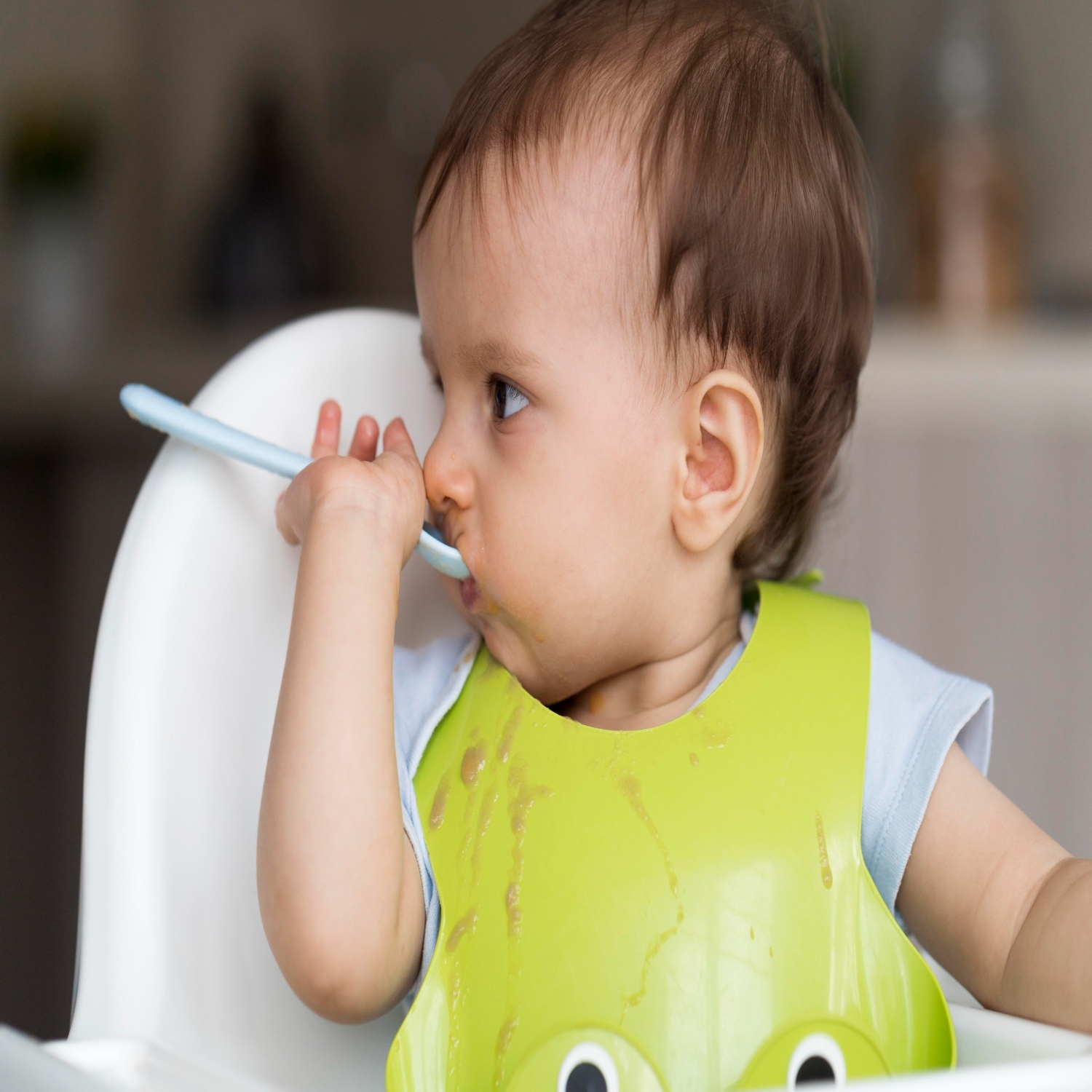
Feeding your baby should feel reassuring, but sometimes it’s anything but calm. Many parents worry when their baby cries while eating—at the breast, the bottle, or when trying solids. This guide explores the most common causes, gentle troubleshooting steps, and when fussing means it’s time to ask for help. Here’s how The Parent Chapter supports you through one of parenthood’s most emotional routines, with practical steps and expert-backed peace of mind.
You’re not alone: Why babies cry while eating matters
It’s natural to feel concerned or even anxious when your baby cries while eating. You might notice newborn fussing while eating, or an older infant crying after feeding—rest assured, you are far from alone. Most parents search for answers at some point, trying to decode what “baby crying while eating” or “infant crying after feeding” really mean.
Babies use crying and fussing to communicate needs, especially before they can use words. Feeding times can trigger tears for reasons ranging from hunger and discomfort to confusion with new tastes or textures. The reasons—and the right response—often depend on your baby’s age, stage, and how you’re feeding (breast, bottle, or solids). Recognizing that these moments are common and often temporary can help you navigate them with greater confidence and calm.
Quick checklist: 7 things to try when your baby cries while eating
- Pause to calm your baby and yourself. Even a short break can reset the mood.
- Check for hunger cues, not just crying—rooting, hand-to-mouth, or head turning mean your baby is ready to eat.
- Burp your baby midway and after feeding to reduce discomfort from swallowed air (important for a fussy baby after feeding).
- If bottle feeding, inspect nipple size and flow rate. Too fast or slow can frustrate a newborn crying during feeding. See our guide.
- Create a calm, distraction-free space—dim lights, lower noise, and hold your baby close.
- If trying formula, consider gentle varieties or changes for persistent signs of intolerance (always consult your pediatrician first).
- Watch for colic or reflux signs and use upright positioning or soothing techniques. More tips here.
What causes baby crying while eating? Common reasons and quick fixes by feeding style
Cry and fuss at the breast: What to watch for
Many breastfeeding parents find their newborn crying when feeding, especially in the early weeks. Common causes include latch issues, overactive let-down, or milk supply fluctuations. Signs like baby pulling off, gulping, or frustration at the breast may point to these challenges.
Try adjusting your breastfeeding position, supporting your baby’s head and chin for a deeper latch. If your let-down is forceful, hand express a little milk before latching or take a brief pause when your baby seems overwhelmed. Remember that feeding issues are common and often resolve with time, patience, and small adjustments. Don’t hesitate to reach out to a lactation consultant for hands-on help and encouragement.
Bottle-fed babies: Fussing, flow and formula challenges
For bottle-fed infants, fussiness often comes from nipple flow being too fast (choking, gulping) or too slow (frustration, persistent sucking). Air swallowing from the bottle’s angle or size can lead to a fussy baby after feeding. Formula intolerance might show as crying, gassiness, or trouble after every meal—especially if you notice baby crying while eating formula.
Experiment with different bottle nipples and flow rates to find the right match. Feed your baby with the bottle tilted just enough to fill the nipple (not introducing extra air), and hold your baby semi-upright. If formula is the concern, consult your pediatrician before making changes. The right support and bottle choice can make feeding much smoother.
Introducing solids: Gagging, taste aversions, and meal stress
When your baby starts solids, fussiness or crying can be a normal response to unfamiliar flavors and textures. Some infants cry or gag at mealtimes as part of their adjustment. Most gagging isn’t choking—it’s a protective reflex as your baby learns to eat solids. If you’re wondering why is my baby fussy while eating solids, take comfort: patience and gentle exposure are key.
Offer soft, easy textures, introduce one new food at a time, and keep mealtimes low-pressure. Refusals are part of learning and not a sign that your baby won’t enjoy solids with time. For more tips on introducing solids safely, visit our solids guide.
When to worry: Signs your baby’s crying during feeding needs a doctor’s help
Contact your pediatrician promptly if you notice:
- Poor weight gain or sudden weight loss
- Blood in stool or persistent diarrhea
- Repeated vomiting or forceful spit-up, especially with distress
- Arching back, obvious pain, or very frequent crying during/after feeding
- Coughing, choking, blue spells, or trouble breathing while eating
- Consistent feeding refusal, difficulty swallowing, or weak sucking
- New or worrisome rashes
These signs may suggest reflux (GERD), food allergy or intolerance, colic, or rare feeding disorders that need medical assessment. When in doubt, or if you wonder “why does my newborn cry after feeding?” and you can’t soothe them, trust your instincts and call for advice. For detailed information, review trusted resources from Seattle Children’s Hospital or Nationwide Children’s.
Making feeding time less stressful for baby and you
Calm routines, environment, and timing
The atmosphere around feeding matters as much as method. Try to feed in a quiet, gentle space—turn down distractions and focus on your baby. Consistent routines help your baby feel safe. Approach feeds when you sense early hunger cues, rather than waiting until your infant is crying while feeding or overtired. Remember, both newborn cranky after feeding and mid-meal fussing are a normal part of learning together. Self-kindness, patience, and a flexible approach lay the foundation for better feeds over time.
Pacing, pauses, and responding to baby’s needs
Whether breastfeeding or using bottles, listen and respond to your baby’s cues. Use paced feeding methods—offering breaks for burping, and adjusting the angle or flow as needed. Never force a feeding or push for more than your baby will take willingly. Some infants have strong preferences and that’s part of their individuality, not a sign you’re doing anything wrong.
Parental self-care and support
Feeding challenges can feel overwhelming and frustrating. You are not alone: it’s okay to seek advice, reach out to support groups, or talk with a lactation consultant or pediatrician. Protecting your own rest, wellbeing, and mental health allows you to show up for your child with patience and calm. Accepting help is a strength, and support is always available if you need reassurance.
Who can help when fussiness won’t go away? Professional roles explained
- Pediatricians monitor growth, assess for illness, allergy, reflux, and serious feeding problems. Call for urgent concerns or when feeding troubles do not improve with home strategies.
- Lactation consultants offer hands-on support for breastfeeding challenges, latch issues, and emotional encouragement for new parents.
- Feeding therapists (SLPs or OTs) work with infants struggling to eat due to oral-motor, sensory, or neurological challenges. They assess, guide parents, and provide therapy if needed.
- Pediatric gastroenterologists manage complex digestive, allergy, or swallowing problems—usually after pediatrician referral.
Questions like “Should I change formula?” or “When should I ask for a referral?” are common and valid. If in-person visits are difficult, ask your provider if telehealth is an option for assessment and advice.
Frequently asked questions about baby crying while eating
Is it normal for my infant to cry while eating?
Yes, many babies cry or fuss at some feeds, especially during growth or routine changes. Occasional crying is rarely a sign of illness if your baby grows, feeds, and is otherwise well.
Should I change formula if my baby is fussy?
Not always. Many infants adjust with time. Before changing formula, check with your pediatrician—especially if your baby has rashes, severe gassiness, or other symptoms.
When is feeding-related crying considered urgent?
If your baby has trouble breathing, persistent vomiting, poor weight gain, or signs of discomfort after every feed, contact your pediatrician quickly.
Helpful resources and what to read next
For further support on feeding concerns, explore our Parent Chapter guides on soothing colic, choosing the right bottle nipple, introducing solids, or learning more about reflux and feeding routines.
For clear medical guidance, see Seattle Children’s Hospital: Newborn Feeding Problems and Nationwide Children’s: Gastroesophageal Reflux (GERD). Above all, remember: you are doing your best. The Parent Chapter is here for every step—from baby’s first feeding tears to joyful, connected meals ahead.