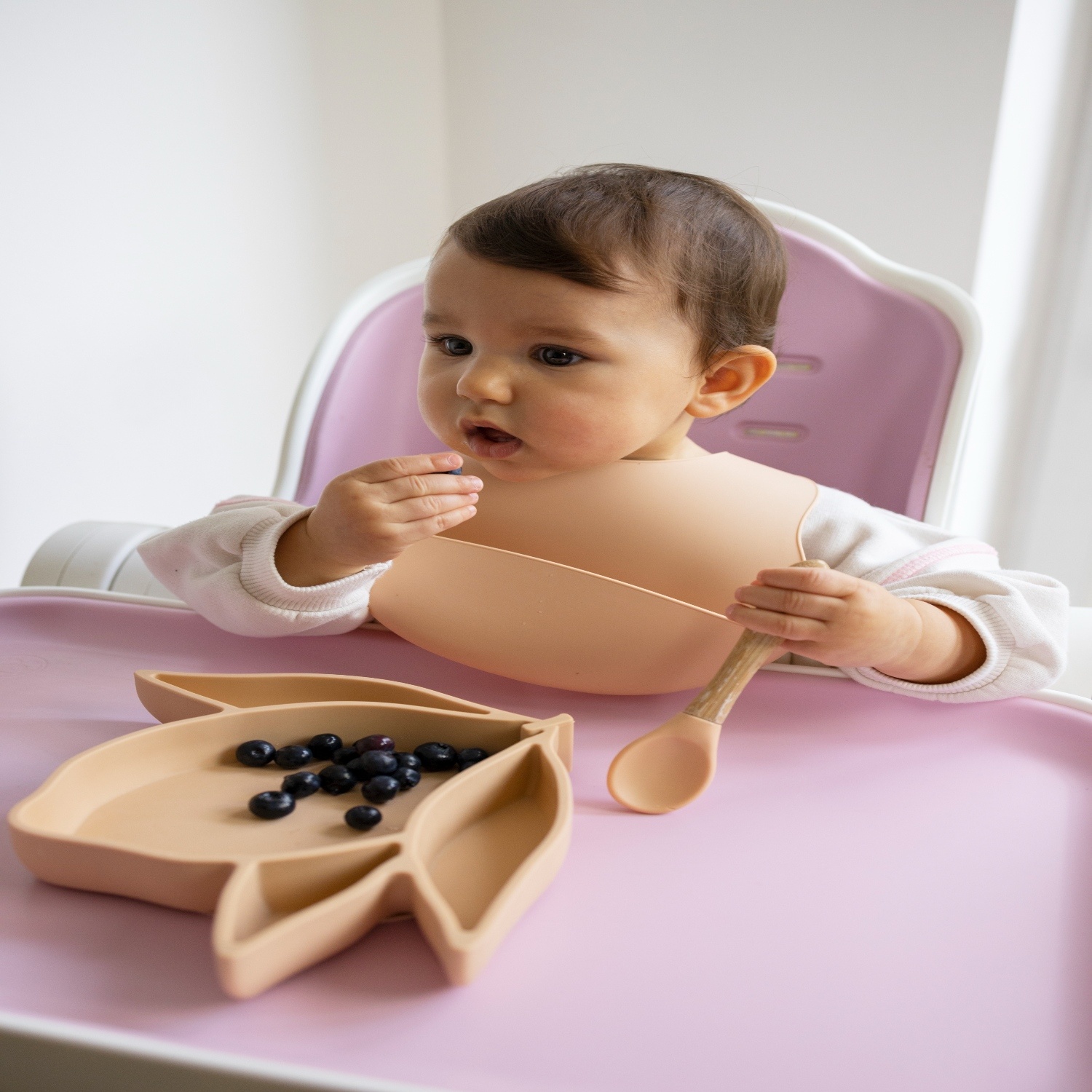
Baby food containers often feel like a small detail, but they shape family routines in ways that ripple through nutrition, sustainability, and daily peace of mind. Today’s parents face more choices than ever for safe, simple, and eco-friendly feeding. Here, we explore what truly matters—informed by experts, grounded in lived experience, and always with you and your child’s needs at the center.
Why choosing the right baby food containers matters for families
Infant feeding isn’t just about what’s on the menu—it’s about how food is prepared, served, and stored. Choosing the right baby food storage containers supports your child’s health, your family’s routines, and even your own sense of calm. The demand for safe, convenient, and sustainable infant food containers has grown rapidly, reflecting modern families’ evolving values.
Safe infant food containers protect against unwanted chemicals and help keep purees, formula, or snacks fresh. Sustainability is now front-of-mind for many families—nearly 40% of market share now belongs to easy-to-use pouches, offering simplicity for busy days but raising questions about waste and recycling. Whether you’re prepping homemade baby food jars or sending lunch to daycare, the container really does matter. Find gentle guidance on Feeding your baby: A gentle introduction.
What parents value when choosing infant food containers
Parents consistently name four core priorities: safety, convenience, sustainability, and cost. Safety remains paramount—no one wants to worry about leaching plastics or impossible-to-clean lids. For parents preparing purees at home, reusable baby food containers provide peace of mind and less packaging. Others might rely on baby food jars for grab-and-go nutrition or need leakproof tubs for daycare lunches.
Parents of children with allergies often go the extra step, preferring separate, airtight containers to avoid cross-contamination. And everyone juggles time. The right infant food containers should simplify mealtimes, not add to the daily load—or your peace of mind.
How container material and format impact daily routines
Material and design can change everything about feeding. Glass baby food jars offer clarity and easy cleaning, but can feel heavy and fragile. Silicone and stainless steel options promise lightness, flexibility, and durability. Reusable baby food pouches fit snuggly into busy hands and bags, sparing you extra dishes.
Container format matters, too. Single-serve tubs help with portion control at home or on outings. Stackable sets can make prepping and storing in bulk easier. Jars with wide mouths simplify cleaning and allow for feeding straight from the container. All these choices shape your feeding routine in real life.
Understanding container types pros cons and best fits for your family
There’s no one-size-fits-all solution. Here’s a practical breakdown of leading baby food storage containers:
| Type | Safety | Durability | Environmental impact | Convenience | Capacity | Best fit |
|---|---|---|---|---|---|---|
| Reusable plastic | Look for BPA/BPS-free, food-safe | Lightweight, may stain or crack over time | Varying recyclability, long life with care | Very portable, often stackable | 2–8 oz | Home prep, daycare, on-the-go |
| Glass | Inert; avoid if chipped | Very durable (but breakable) | Highly recyclable, reusable | Heavier, not for all outings | 4–8 oz | Homemade purees at home |
| Silicone | Food-grade, generally safe | Very flexible, tough | Reusable, some recycling options | Easy to fill, gentle to handle | Varies | Freezing, portioning, toddlers |
| Stainless steel | Non-leaching, safe | Durable, dent-resistant | Long-lasting, recyclable | Lightweight, not see-through | 4–8 oz | Travel, older children |
| Pouches (reusable) | Food-grade plastic/silicone | Easy to clean, may wear out | Less waste, some recycling | Ultra-portable, minimal mess | 3–5 oz | On-the-go, self-feeding |
| Pouches (single-use) | Regulated; one-time use | Disposable, fragile | High waste, limited recycling | Maximum convenience | 3–5 oz | Emergencies, travel |
| Formula/powder containers | Designed for safety | Durable for dry storage | Usually plastic | Divided for portions | Varies | Travel, precise feeding |
The best infant food containers depend on your child’s age, your feeding style, and when and where meals happen most often. While glass remains beloved for home use, pouches now account for almost half of retail sales—especially for travel and daycare.
How to match containers with your family’s needs
Reflect on your routines: Do you meal prep for the week, or grab-and-go daily? Are allergies or sensory concerns an issue? Do you need to store breastmilk or formula safely? Multipurpose baby food storage containers may suit mixed feeding, while dedicated types can ease transition to solids or toddler snacks.
Your needs will shift. What works for milk and first purees may change as your child grows. It’s reassuring to know you don’t have to choose just one approach—mixing and matching is both typical and smart.
Safety first in baby food storage what to know and what to avoid
Safety is central to every parent’s peace of mind. Reliable baby food safety starts with safe materials: choose food-grade plastics without BPA or BPS, medical-grade silicone, stainless steel, or glass. Some plastics, especially those not explicitly labeled food-safe, can leach chemicals—especially with repeated microwave or dishwasher use.
Pediatric experts recommend using glass, silicone, or stainless steel whenever possible for long-term food storage. Check containers regularly for cracks, chips, or lingering stains; worn or damaged items can harbor bacteria or allow chemicals to migrate. Single-use baby food pouches should only be used once, but reusable versions must be cleaned thoroughly between uses.
Proper cleaning and sterilization is key, especially for newborns or infants with developing immune systems. Wash containers with hot, soapy water or in the dishwasher if marked safe; some may also be boiled for extra sterilization. For breastmilk and formula, see the CDC’s breastmilk storage guidelines for details on sanitizing and storage.
Remember, safe baby food storage means checking product instructions and your child’s unique needs. Avoiding shortcuts keeps nutrition wholesome and your family’s trust protected.
Expert answers to common safety questions
Is “BPA-free” enough for baby food storage containers? “BPA-free” is a step forward, but not a full guarantee—look for containers also free from BPS and labeled food-safe. Regulatory guidance is evolving; when in doubt, glass or stainless steel is among the safest.
Can I reuse baby food pouches? Reusable pouches are fine if designed for repeated use and cleaned thoroughly each time. Single-use pouches should only be used once, as seams and spouts may harbor residue.
How often should I replace baby food containers? Replace containers at the first sign of wear—cracks, stains, cloudiness, or odors that won’t wash out mean it’s time for new ones. For everyday use, rotating between sets can extend their life.
Sustainability and real-world trade-offs of baby food containers
Many parents strive for eco-friendly baby food containers without sacrificing ease or safety. Plastic, even when BPA-free, remains the most common choice, but comes with recycling limitations. Some brands use recyclable mono-materials or compostable films for their pouches; these can reduce waste, but recycling systems vary widely by location. See more about baby food pouch recycling.
Glass and silicone containers offer real benefits for reusability and reducing single-use waste. Their drawbacks often include increased cost, breakage risk, or heavier weight for travel. As a family, choosing when to use reusable baby food containers (at home, for meal prep) and when to use single-serve or pouches (emergencies, travel) helps balance sustainability with your real-world needs. Progress—not perfection—is the goal. Remember to check local recycling guidelines and look for eco-labels and certifications that work where you live.
Small changes for less waste and more peace of mind
Try these gentle, low-stress ways to reduce baby food container waste:
- Use glass or silicone containers for storing larger batches of homemade food at home.
- Reserve single-use baby food pouches or containers for outings or emergencies only.
- Choose products with recyclable packaging when possible, and participate in local recycling or take-back programs.
Every step helps. It’s okay to adapt as your family’s energy, budget, or routines change.
Best buying and storage tips for everyday parenting
When selecting baby food containers, look for options that are clearly labeled as food-safe, free from harmful chemicals, easy to sterilize, and sized for your usual portions. Leakproof lids, stackable designs, and visible measurement marks all save time at home or in your bag. Batch cooking purees or formula can be made easier with sets that stack or fit compactly in your fridge or freezer.
For travel, daycare, or on-the-go feeding, consider containers with extra seals, handles, or flexible materials. To avoid common frustrations: rinse containers promptly to prevent odors and stains; wash lids and spouts thoroughly; and label batches with dates to track freshness. Containers exposed to repeated freezes and thaws may need more frequent replacing.
If containers develop odor, try soaking in a warm baking soda solution. For leaks, check gaskets and lids for debris or misalignment and replace as needed. Rotate older containers out of the lineup regularly to keep feeding safe and stress-free.
Quick problem solver answers for everyday feeding frustrations
Leaky lunchboxes? Double-check lid seals and bring a spare bag when out. Leftover odors? An overnight aloe or baking soda soak (with lids off) is a gentle fix. Freezer burn on purees? Use airtight, appropriately sized containers and portion in small batches to limit air exposure. You’re not alone in facing these issues—they’re part of real family life.
Helpful resources and further reading
Being informed brings confidence. These trusted resources offer guidance for every parent:
- Baby food safety guide
- Feeding your baby: A gentle introduction
- CDC: Proper storage and preparation of breast milk
- Plastics Recycling on baby food pouches
Check what’s recyclable locally, stay up-to-date with feeding safety, and remember: every family finds their own best rhythm. Adapt as you go—that’s parenting in real life.