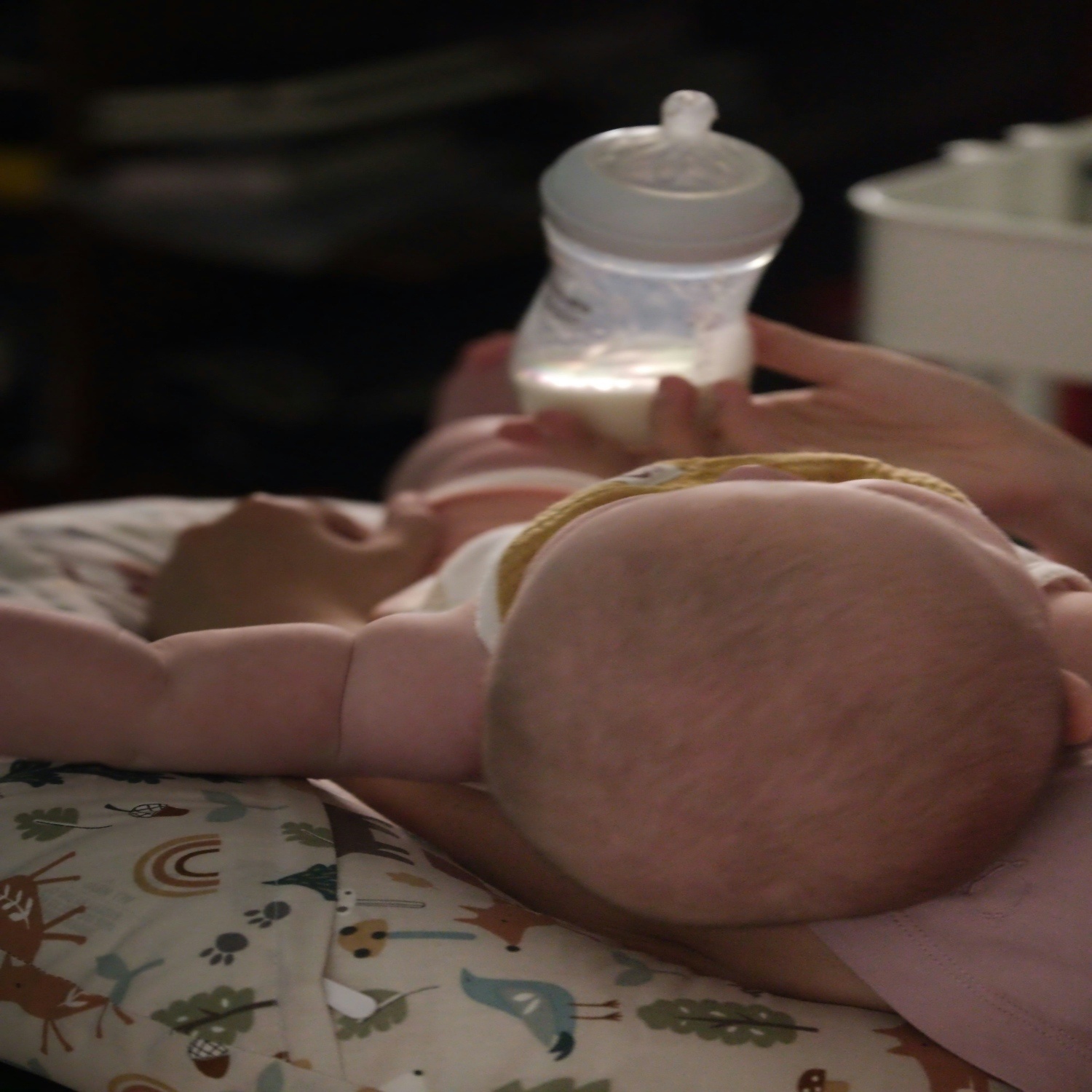
Are plastic bottles bad for babies? What every parent needs to know
Questions about the safety of plastic baby bottles are everywhere—from headlines to parenting forums. As research uncovers more about plastics and child health, it’s normal to wonder how best to keep your baby safe. This article guides you through the latest findings, the real risks, and practical steps any family can take, no matter their circumstances. With grounded science and a non-judgmental approach, The Parent Chapter is here to support your choices and peace of mind.
Why parents are asking if plastic baby bottles are safe
Over the past few years, concerns about plastic baby bottles have grown. News stories discuss microplastics in formula and heated debates ripple across social media. More parents want to understand the potential risks of plastics for babies—particularly during infancy when little bodies are still growing and developing.
Recent scientific reviews (2023–2025) have taken a closer look at how plastics, including tiny particles called microplastics and the chemicals used to make plastic flexible and strong, interact with early childhood health. Babies, especially during fetal and early postnatal stages, are more sensitive to environmental signals. Their developing organs process chemicals differently, meaning the same exposure may have bigger impacts than in adults. It’s rational to be cautious, and researching the science together can help parents make practical, confident decisions.
What current research really tells us about plastic feeding bottles
Leading health journals like The Lancet and large studies from the NIH’s ECHO Program (NIH/ECHO biomonitoring of preschoolers) have reviewed the effects of key plastic-associated chemicals. Some, such as BPA, BPS, phthalates, and PFAS, have been linked in observational studies to possible health risks in children—including impacts on brain development, asthma risk, childhood obesity, and certain chronic diseases.
It’s important to note that these studies show “associations”—patterns that suggest a relationship, not definitive proof that one substance directly causes a specific illness. Some evidence is stronger, especially for hormones and metabolites found in the urine and blood of children routinely exposed to these chemicals. For microplastics, the science is newer; what’s clear is that babies are exposed at much higher levels than adults, but the precise long-term health impact remains a subject of ongoing research. Recommendations today prioritize lowering exposure where practical, guided by current science, not hype.
Are “BPA-free” bottles actually safer?
Many parents choose “BPA-free” baby bottles hoping to avoid harmful chemicals. But “BPA-free” means only that one ingredient, bisphenol-A, is absent. Manufacturers often replace BPA with similar chemicals, like BPS or BPF, which current research also links to hormonal and developmental effects in children (BPS and health). Early studies suggest that these substitutes may not be meaningfully safer. Regulations are evolving, but at this time, a “BPA-free” label is not a guarantee of a risk-free product. As always, transparency and continued research matter most.
How plastic bottles release chemicals and microplastics—what parents should know
Plastic baby bottles can release chemicals and shed microscopic particles, especially when exposed to heat, repeated friction, or harsh detergents. When you heat milk or formula directly in plastic, or put bottles through dishwashers, the process can increase the number of particles (and associated chemicals) by thousands of times (Babies vs. Plastics, 2024–2025).
Micro- and nanoplastics are tiny pieces that can enter milk or formula and be swallowed by infants. While research has yet to conclusively show the full health impacts of ingesting these plastics, we do know that exposure in infancy is much higher than in later childhood or adulthood. Being aware of how these exposures happen empowers parents to make small changes that can reduce risk right away.
Which practices make a difference?
Some everyday habits help reduce your baby’s exposure to plastics and chemicals:
- Do not heat formula or milk in plastic bottles—prepare in glass or stainless steel, then transfer if needed.
- Hand wash bottles instead of using a dishwasher to minimize wear.
- Replace plastic bottles if they become cloudy, scratched, or worn.
- Use cool or room temperature water and avoid microwaving any part of the bottle-feeding system.
- Look for bottles labeled free of BPA, BPS, phthalates, and other known hormone disruptors.
Even if you have used plastic bottles with heat in the past, remember that it’s never too late to update your routine. Small shifts are powerful, not perfection.
Safer feeding bottle materials—glass, stainless steel, silicone, and plastic pros and cons
Choosing the best bottle material for your family blends science, practicality, and comfort. Here’s an overview of the most common options:
- Glass: Proven non-toxic, easy to clean, and durable for long-term use. However, glass can be heavy and is prone to breaking—an important consideration around mobile babies or caregivers.
- Stainless steel: Durable, unbreakable, and safe for heating. There is less published research specifically on stainless steel in infant use, and some parents note a metallic taste.
- Silicone: Lightweight and flexible. Current science suggests silicone is safer than plastic, but there is debate about its breakdown at high heat and possible fillers.
- Plastic: Light, affordable, and widely available. Most researched due to widespread use, but all varieties can contain or shed chemicals and microplastics when exposed to heat or wear.
No single material is perfect for every family or every setting. Consider your routine, feeding context, and your baby’s needs. For more guidance, visit resources such as the AAP guidance on plastics.
Practical tips for safer bottle-feeding
- Use glass or stainless steel bottles to prepare hot formula, transferring to plastic only if needed for feeding.
- Never microwave or heat milk in plastic bottles.
- Hand wash plastic bottles gently instead of using a dishwasher.
- Replace bottles regularly, especially if scratched or cloudy.
- Store bottles at cool or room temperature.
- Check labels and choose bottles free from BPA, BPA substitutes, and phthalates when possible.
- Communicate with your daycare or childcare provider about allowed materials and discuss alternatives proactively.
Remember, you don’t have to overhaul everything at once. Even one or two changes can make a meaningful difference in reducing exposure.
Realistic choices—navigating daycare, travel, and medical needs
Some settings require plastic bottles for safety or practicality—such as in hospitals, travel, or certain daycare environments where glass may not be allowed. When plastic use is unavoidable, prioritize new (not worn) bottles, avoid heating contents in the bottle, and request alternative sterilization methods if possible. Open, gentle communication with caregivers or medical staff helps ensure your routines and values are respected, supporting your child’s wellbeing wherever they are.
Frequently asked questions about plastic baby bottles
Are BPA-free bottles safe?
BPA-free bottles avoid one well-known risk, but newer substitutes, like BPS, may pose similar health concerns (BPS and health). Look for bottles listed as free of all major plasticizers, and keep up with evolving research.
Can glass bottles go to daycare?
Some daycares prohibit glass for safety reasons. Check their policy in advance. If allowed, opt for silicone sleeves to prevent breaks and label bottles clearly.
Does heating plastic really increase risks?
Yes, research shows that heat greatly increases the leaching of chemicals and the release of microplastics (Babies vs. Plastics, 2024–2025). Always prepare hot liquids in non-plastic containers.
Do microplastics cause disease in babies?
There is currently no direct evidence that microplastics cause specific diseases in infants, but the science is still emerging. Babies do have higher exposure than adults, and health authorities recommend minimizing unnecessary exposure whenever possible.
What is the safest feeding bottle material for infants?
Glass has the longest track record of safety, but stainless steel and high-grade silicone are also strong options. Ultimately, the best material is one you can use consistently and safely based on your own needs and context.
What if plastic bottles are my only option?
You can still reduce risk by using new bottles, avoiding heat, and replacing them when worn. Talk to your pediatrician or childcare provider about your options and concerns. For more answers, see AAP guidance.
What we know—and what parents can do right now
Research confirms that early-life exposure to some plastics is linked with possible health risks, but risk is not certain and can usually be reduced through small choices. Avoiding excess heat, choosing safer materials, and updating bottles when needed are practical ways to lower exposure. Above all, remember that science evolves: today’s guidance is meant to empower, not overwhelm.
Parenting is already full of decisions, and worry is common. What counts most is caring and adapting as new information comes to light. For more practical support, see our resource on infant feeding safety and support.
Questions? Our team is here to listen and connect you with the latest, evidence-based guidance—every family’s peace of mind matters.