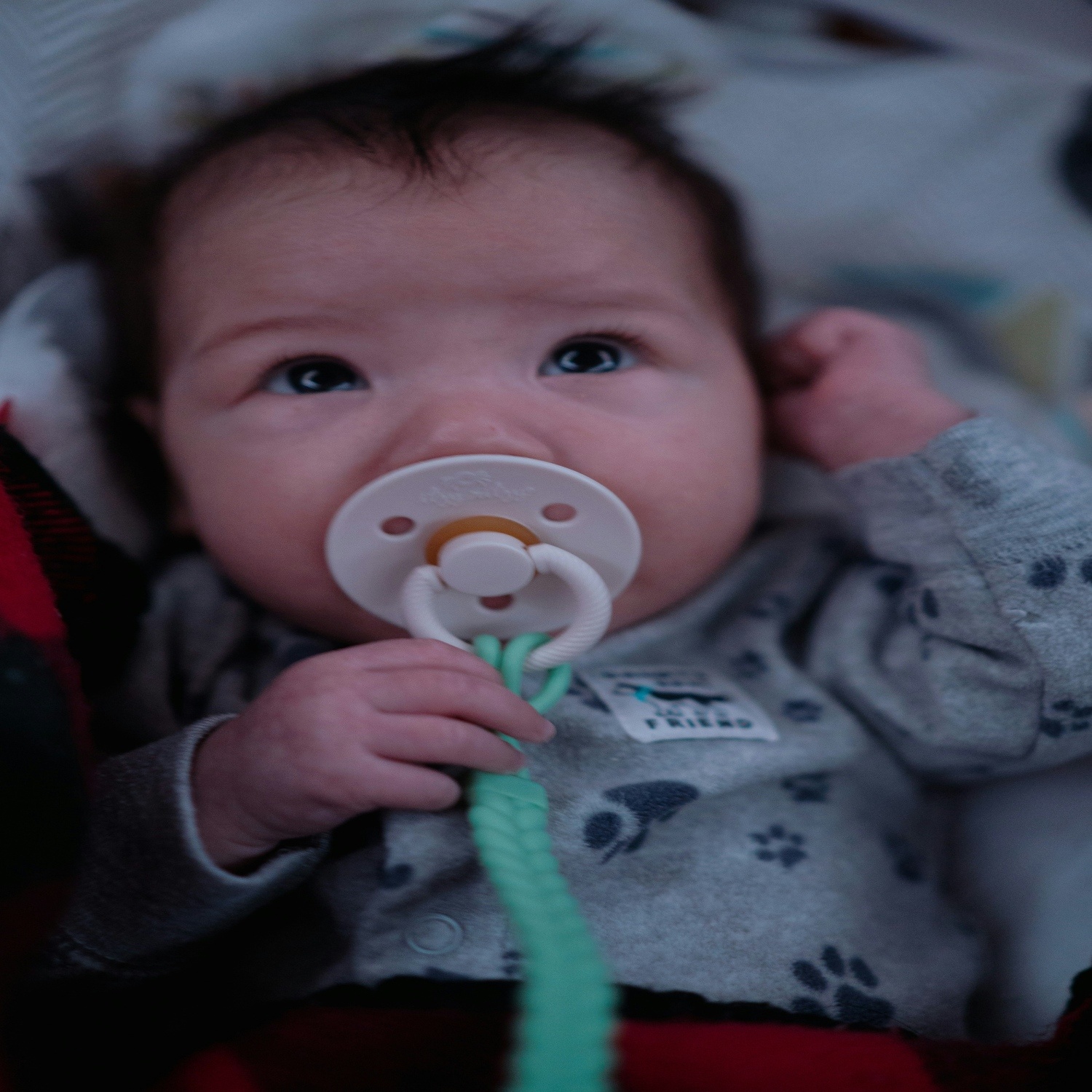
For today’s parents, few topics invite such close scrutiny as products meant for baby safety and comfort. Pacifier clips, small and convenient, seem like a simple solution to daily parenting challenges. But are pacifier clips safe for babies? The answer is not as straightforward as we might hope. Here is what safety experts, pediatricians, and recall data want every parent to know about pacifier clips safety—empowering you to make confident, calm choices for your child.
Understanding pacifier clips and their most common risks
Pacifier clips are short, often decorative straps or cords designed to attach a baby’s pacifier to their clothing. Their purpose is practical: preventing pacifiers from falling to the ground, keeping them within easy reach, and helping maintain hygiene by reducing contact with dirty surfaces. The ease and convenience are clear, making pacifier clips a staple in many homes and diaper bags.
Yet, as with many products for infants, convenience brings risk. The most common concerns linked to pacifier clips safety are threefold: choking (if detachable parts break free), strangulation (from overly long or poorly designed straps), and material-related injuries (such as allergic reactions or toxicity). These are not hypothetical worries. Recent CPSC warnings and high-profile recalls have called attention to these hazards, prompting parents everywhere to pause and reconsider their use of pacifier clips.
For any caregiver, these risks can spark understandable anxiety. But there is power in knowledge—when parents know the genuine dangers and the right precautions, pacifier clips can be used safely and with peace of mind.
What makes pacifier clips risky for babies?
What makes some pacifier clips risky for babies are tangible issues found in certain designs or materials. Clips with detachable or breakable parts pose a choking threat if small pieces separate during use. Straps longer than seven or eight inches present a higher risk of tangling or strangulation—especially as babies become more mobile.
Low-quality plastic or metal clips, or those made with questionable materials, can introduce sharp edges, toxic chemicals, or loose attachments. The U.S. Consumer Product Safety Commission (CPSC) cautions against pacifier clips that:
- Exceed 7–8 inches in total length
- Feature beads, charms, or non-secured decorations
- Have unclear or missing safety testing information
- Are tied or fastened around a baby’s neck or head
Some parents have shared stories of discovering unsafe clips during routine checks—catching frayed cords or loose clasps before harm occurred. Others learned of defects only after receiving recall notifications. These lived experiences highlight the importance of regular inspection and prompt action when concerns arise.
Recent recalls and what lab tests reveal about pacifier clips safety
Recalls in 2025 have brought pacifier clips safety into sharper focus. Brands like TYRY.HU and Primark issued recalls after clips were found to break under pressure, releasing small parts that led to a handful of choking or laceration incidents. According to the CPSC recall database, most injuries were minor, but each case is a serious warning sign.
Independent testing published by Consumer Reports found that some pacifier clips—particularly those sourced from unregulated online sellers—failed basic durability tests or contained non-compliant materials. Silicone clips generally outperformed natural rubber in bite and breakage tests, but no material is foolproof if construction is subpar or pieces detach.
For parents wanting to stay up to date, resources like the CPSC’s active recall list and Consumer Reports’ advice pages offer clear, unbiased information. Reviewing these databases before buying a new pacifier clip can significantly reduce risk and increase peace of mind.
What pediatric experts recommend for pacifier clip safety
Both the American Academy of Pediatrics (AAP) and Mayo Clinic urge families to prioritize pacifier clips safety with a few key guidelines:
- Inspect every pacifier clip before use for wear, breakage, or loose parts
- Never use pacifier clips during sleep or naps—remove them before laying your baby down
- Do not fasten clips, cords, or strings around a child’s neck
- Choose only clips made from BPA- and phthalate-free materials, and that are clearly labeled to meet U.S. safety standards
- Follow age recommendations and discard any clip that is damaged or recalled
Pediatricians note that pacifiers (without any clips or attachments) can help reduce the risk of sudden infant death syndrome (SIDS) when used safely. However, pacifier clips themselves should never be present during sleep, as they can introduce new hazards. These tips are not meant to cause fear—they are empowering, giving parents practical tools to keep their children as safe as possible.
What to look for and avoid when choosing a pacifier clip
For confident, evidence-based decisions, use this safe pacifier clip checklist:
- Maximum strap length: 7-8 inches (to prevent wraparound risks)
- No detachable, breakable, or small decorative parts
- Sturdy attachment mechanisms that cannot detach with gentle tugging
- Clear labeling for compliance with recognized U.S. product safety standards
- Materials are BPA-free, phthalate-free, and non-toxic
Many parents are now searching for “safe pacifier clips” and prefer minimalist, open designs that are easier to clean. There is increasing skepticism about clips sourced from global online marketplaces where safety oversight can be inconsistent. While interest in stylish clips continues to grow, focus should remain on substance and safety over trends. The growing market (with an estimated 8% CAGR) only increases the need for informed choices anchored in pacifier clips safety, rather than popularity or aesthetics.
Parenting solutions and gentle alternatives to pacifier clips
If you are unsure about the safety of a pacifier clip or if your baby no longer needs one, there are other options. Remove the pacifier clip during sleep or when your baby is not supervised. If pacifiers are dropped often, frequent cleaning is safer than constant clipping. Some families choose to wean off pacifiers earlier or use short, supervised periods with clips in clean environments only.
Wider questions may also arise: Does using a pacifier increase ear infection risk or affect dental development? While short-term, supervised use is generally considered safe, it is always best to consult your pediatrician for guidance tailored to your child. Regularly check for product recalls, and don’t hesitate to report any issues with pacifier clips to regulatory agencies. Remember: perfection is neither realistic nor required—each day is a learning journey, and community support is always here for parents seeking the safest path.
How to talk about pacifier clips with your care circle
Ensuring pacifier clips safety is a shared responsibility. When discussing pacifier clip guidelines with co-parents, grandparents, or caregivers, focus on clarity and calm confidence. Share up-to-date facts and recall lists without blame—explain why straps should be short, why sleep time is “clip-free,” and how to spot hazard signs. Encourage your care circle to speak up if they notice a problem or have questions.
Navigating these choices is not about “right versus wrong” but about caring together. Sharing your knowledge and approach in a supportive way helps everyone feel confident and capable. At the heart of every guideline is your instinct to keep your baby safe, and that is always enough.
Before buying any new pacifier clip, remember to check for recent recalls and revisit pacifier clips safety tips as your baby grows. For more on safe infant sleep and everyday hygiene, explore our expert guides on The Parent Chapter. Small, proactive steps can make all the difference as you care for your child’s well-being each day.