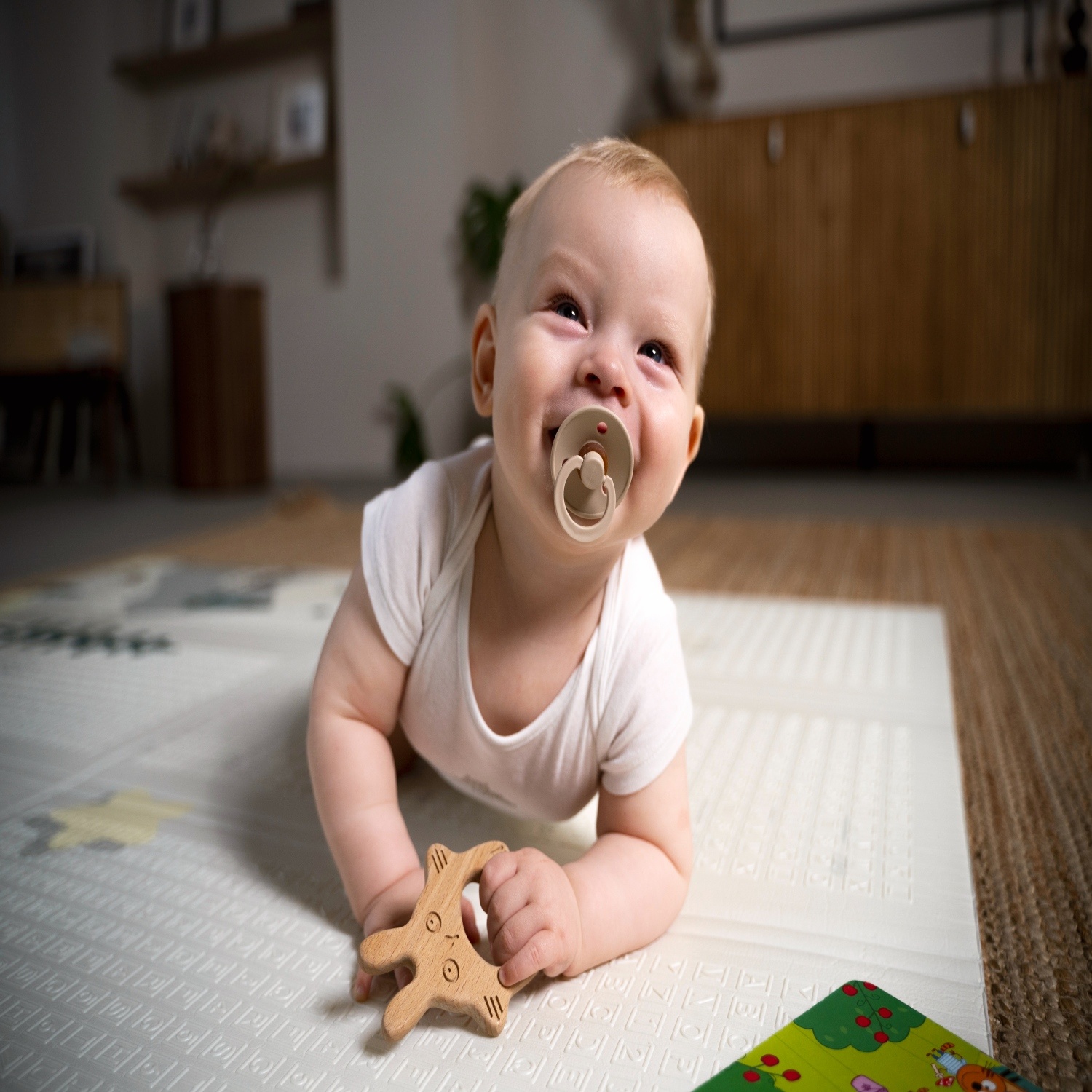
Baby pacifiers promise comfort and practical support for millions of families navigating early parenthood. Used thoughtfully, a pacifier can offer calm during bedtime, sleep routines, and moments of fussiness. Yet, with so much advice about sleep safety, oral health, and modern innovations, it’s easy for parents to feel both hopeful and overwhelmed. This guide brings together up-to-date guidance on safe use, sleep benefits, and what every parent needs to know—making room for emotional reassurance and practical clarity along the way.
Why do babies like pacifiers insights benefits and backed evidence
For many newborns and infants, the baby pacifier (sometimes called a soother or dummy) goes far beyond a simple accessory. Sucking is a natural, built-in reflex that helps babies self-soothe and navigate new sensations in their world. Beyond the instinct, pacifiers play a gentle role in settling overtired little ones, providing comfort in unfamiliar surroundings, and making those tricky early nights more manageable.
There’s also reassurance for parents: research and clinical experience suggest pacifiers can help babies fall asleep, and some studies highlight a potential link between pacifier use during sleep and a reduced risk of sudden infant death syndrome (SIDS). At bedtime, a pacifier to sleep newborn routine may mean more peace for the whole household. Still, questions abound—can a newborn sleep with a pacifier, and what are the true pros and cons of pacifiers? Parents are right to weigh soothing potential against long-term needs, seeking responses rooted in evidence and empathy.
Sucking and soothing the science behind why newborns and infants love pacifiers
Newborns are born with the urge to suck—for feeding, but also for comfort. Experts call this “non-nutritive sucking,” and it is as much about calming and feeling secure as it is about hunger. Evolutionary perspectives suggest our earliest ancestors depended on this soothing behavior to stay close and content, especially during periods of transition or discomfort.
Modern research confirms what parents intuitively know: sucking (even without feeding) lowers heart rate, helps regulate breathing, and supports babies in managing stress. Offering a dummy pacifier newborn parents often find, gives their infant a safe way to harness this age-old reflex in a sometimes overstimulating world.
Potential benefits sleep support SIDS protection and calming fussiness
Pacifiers can offer genuine advantages beyond basic soothing. Key benefits include:
- Sleep support – Using a pacifier to help a newborn sleep has been found to shorten settling times and support nighttime sleep routines, especially during the early months.
- Calming fussiness – Sucking soothes emotional distress, helping babies transition calmly through challenging moments like medical visits or travel.
- SIDS risk reduction – According to the American Academy of Pediatrics, offering a pacifier at naps and bedtime is associated with a lower risk of SIDS, although the exact reasons are not fully understood. The benefit is seen when the pacifier is introduced at sleep times, especially once breastfeeding is firmly established.
For parents, these benefits offer both practical help (more sleep, fewer tears) and peace of mind. It’s equally normal to have concerns about oral development, feeding, or dependency—honest talk helps families find solutions that fit their unique values and needs.
Baby pacifier safety materials and oral health what to look for
With a wealth of options on the market—silicone, latex, biodegradable soothers—knowing which infant pacifier is best can feel daunting. Pediatricians and pediatric dentists emphasize that newborn pacifier or dummy pacifier newborn choices matter most when it comes to safety, durability, and alignment with your baby’s age and needs.
Evidence supports using BPA-free, medical-grade materials that are robust and easy to clean. Claims about “orthodontic” pacifiers highlight design features meant to minimize dental misalignment, but real-world effects often depend on timing and duration of use. It’s helpful to understand how long should baby use pacifier in a day, and to watch for signals—like changes in feeding, or signs of mouth irritation—that may prompt a conversation with your doctor.
Material matters silicone latex and eco-friendly options explained
The safest pacifiers are made from materials certified to be free of BPA, phthalates, and harmful chemicals. Here’s what parents might encounter:
- Silicone – Durable, non-porous, easy to clean, and hypoallergenic for most babies. Silicone pacifiers hold up well to frequent sterilizing, making them a popular newborn pacifier choice.
- Latex/natural rubber – Softer and more “natural” in feel, but prone to wear and less ideal for babies with latex allergies. They may need more frequent replacement.
- Eco-friendly, biodegradable options – Made from plant-based materials or recycled plastics, promising sustainability but sometimes with a shorter lifespan. Always look for certifications and consider practical trade-offs.
No matter the material, check for labels like “BPA-free” and be realistic about safety standards in your region.
Orthodontic and anatomical designs what parents need to know
Some pacifiers are shaped or labeled “orthodontic,” aiming to fit the contour of a baby’s mouth and minimize pressure on developing gums and teeth. According to pediatric dental guidance, these can help reduce—but don’t entirely prevent—the risk of dental misalignment, especially if pacifiers are used beyond toddlerhood. True orthodontic benefit depends most on offering age-appropriate pacifiers, limiting daytime use, and weaning as children grow (typically by 2–4 years).
Safety tips certifications replacement timing and safe sleep habits
Key certifications—such as FDA, European EN1400, or ASTM standards—signal that a pacifier meets essential safety benchmarks for infants. Parents should regularly inspect pacifiers for wear: cracks, stickiness, or changes in shape mean it’s time to replace them. How many pacifiers does a newborn need? Many families find 2–4 helpful for rotation and emergencies.
Follow safe sleep best practices: never tie a pacifier around your baby’s neck or crib, use a one-piece design when possible, and introduce during sleep when feeding is well established. According to the NHS and AAP, letting a newborn sleep with a pacifier is generally considered safe, provided it is clean, undamaged, and used as part of a safe sleep environment (on the back, firm mattress, no soft bedding).
Introducing cleaning and weaning your baby pacifier practical steps
Successfully offering a pacifier involves more than just choosing the right type. Timing, hygiene, and awareness of developmental cues all play a role in making pacifier use safe, soothing, and temporary.
When and how to introduce the pacifier
If breastfeeding, most pediatricians and the WHO recommend waiting until feeding is well established—often at least two to four weeks—before introducing a pacifier, to reduce any short-term confusion with nipple latch. For bottle-fed babies, pacifiers can be offered once feeding cues are clear. Answering “can a 4 day old baby sleep with a pacifier” depends on your feeding journey and your doctor’s guidance—early introduction is okay for non-breastfeeding babies.
When first introducing, offer the pacifier during calm, cuddly moments—especially at nap or bedtime—letting your baby lead. Never force if your baby refuses it.
Hygiene and replacement keeping your baby’s soother safe
Keeping pacifiers clean protects against illness and stomach upsets. Sterilize before first use and regularly up to six months, then wash daily with hot, soapy water. Many pacifiers are dishwasher safe or come with self-sterilizing cases. At night, store spares in a clean container. Consider pacifier clips for daytime use, and for night wakings, some families use glow-in-the-dark or multiple soothers placed safely in the sleep space. Replace pacifiers every 4–8 weeks or sooner if damaged.
Gently weaning off pacifiers tips for a smoother transition
Pediatricians suggest beginning to wean from the pacifier between 6 and 12 months, aiming to be done by age two to four to support healthy dental development. Many families find gradual reduction—like limiting soother use to sleep times, followed by “forgetting” it at naps—helps. Pair weaning with extra comfort: a soft lovey, soothing bedtime stories, and lots of cuddles. Remember, each child is different, and there’s no one “right” way to say goodbye to the pacifier.
New trends smart pacifiers sustainability and modern innovations
The world of baby pacifiers is changing—sometimes in ways that feel exciting, and sometimes overwhelming. Tech-enabled “smart” pacifiers are entering the market alongside new eco-conscious lines, with families weighing real-world benefits against hype and practicality.
Do parents need smart pacifiers what new products actually do
Smart pacifiers may include features such as temperature sensing, sucking pattern tracking, and even wireless health monitoring. While these products offer fascinating data, mainstream safety evaluation and user-friendliness still lag behind traditional soothers. Concerns include battery safety, reliability, and lack of independent long-term studies. For most families, these tools remain a niche option—nice to explore, but not essential.
Sustainable choices real impact and trade-offs for the eco-conscious family
Eco-friendly pacifiers are on the rise, with biodegradable materials and plant-based plastics. Parents choosing sustainability can look for independent certifications, such as FSC or EU Ecolabel, which show evidence of responsible sourcing. The practical trade-off: some green options have shorter lifespans or are less robust. Every step toward sustainability counts, and progress—not perfection—is the goal for families committed to gentle choices.
Choosing the best baby pacifier for your family checklist shopping and FAQs
Finding the ideal pacifier combines awareness of safety, practical features, and what feels right for your child. Here’s a trusted checklist to guide your selection, plus answers to parents’ most-asked questions.
Baby pacifier checklist what to look for before buying
- Choose a size and shape based on your baby’s age (newborn, 0–6 months, older infants).
- Opt for BPA-free, medical grade silicone or latex depending on allergies and preferences.
- Confirm ease of cleaning (can be sterilized; dishwasher safe).
- Look for one-piece construction to minimize breakage risk.
- Review pediatric dentist and safety certifications (FDA, EN1400, ASTM).
- If needed, consider features for night use (glow-in-the-dark, multiple spares).
- Read independent reviews from other parents, not brand claims.
- Purchase through established retailers or pharmacies for added safety assurance.
Parent FAQ most-asked questions about newborns and soothers
Are pacifiers bad for newborns’ teeth?
Used appropriately in the first year, pacifiers are not shown to harm dental development. Prolonged use (past preschool years) may affect alignment.
Can a newborn sleep with a pacifier or dummy?
Yes, according to pediatric guidelines, it’s safe once feeding is established and with other safe sleep measures.
How many pacifiers do I really need?
Most families do well with 2–4, rotating for cleaning and sleep routines.
How do I know if a pacifier is safe?
Look for recognized safety certifications, BPA-free labeling, and inspect regularly for signs of wear or damage.
When to stop giving pacifier?
Pediatric dentists suggest beginning to wean after 12 months, aiming to finish by age two to four.
Parenthood is filled with choices—each influenced by your baby’s needs, your values, and evolving scientific guidance. Choosing a baby pacifier is no different. Trust your instincts, lean on evidence, and know that your care, attention, and gentle intention are the biggest forces shaping your child’s comfort and well-being. Whatever path you choose, The Parent Chapter stands with you, supporting informed, compassionate parenting every step of the way.