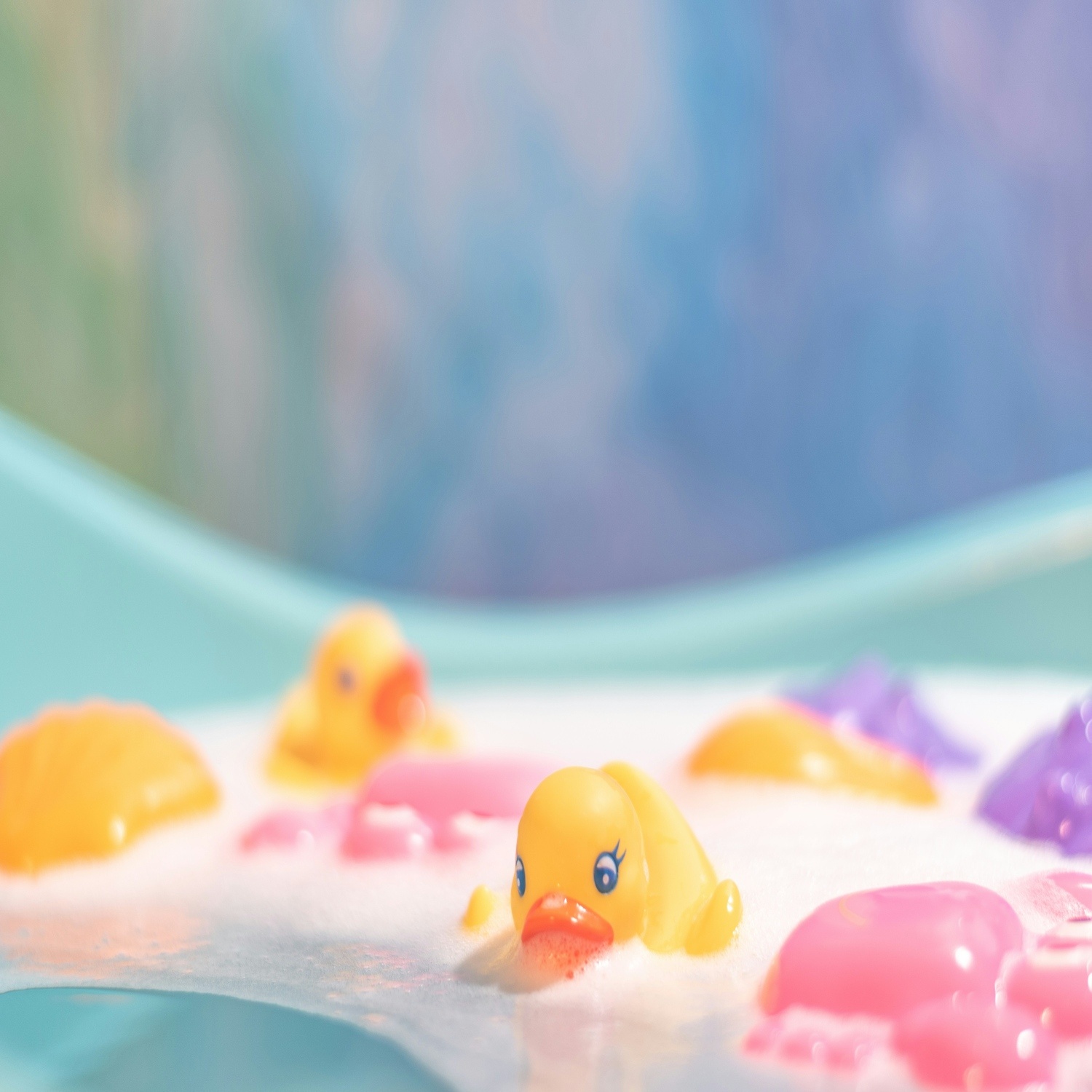
Best baby bath accessories 2026: Safe, sustainable choices for modern families
Creating a safe and nurturing bath time is at the heart of early parenting. For families today, baby bath accessories are evolving rapidly—reflecting an increased commitment to safety, planet-friendly materials, and smarter innovation. In this guide, we’ll walk through what’s new, what matters most, and how to make informed choices in 2026 for every unique family setup.
How baby bath accessories are evolving for today’s families
The baby bath accessories market continues to grow, shaped by modern parents’ demands for safety, sustainability, and convenience. According to industry reports, global sales for newborn bath accessories and related products have grown by 7% annually, with particular strength in eco-friendly and adaptable designs.
Digitally native parents are fueling this trend. They seek products that fit flexible routines and reflect their values, such as multi-stage tubs that adapt as a child grows, reusable or recycled materials, and smart bath gadgets offering peace of mind. From foldable mats for small-space living to “grow-with-me” tubs and connected thermometers, today’s choices highlight a shift: quality, not quantity, is now the goal.
For parents entering this stage, the landscape is broader than ever. With so many new features and materials, understanding safe, gentle, and trustworthy options for newborn bath accessories is essential.
Safety essentials for every bath time routine
Safety is the non-negotiable foundation of bath time. Baby bath accessories in 2026 are designed with this at their core, easing parent anxiety with smart features and trusted standards. But no innovation replaces careful supervision. Expert voices, such as the American Academy of Pediatrics, remind us that “staying within arm’s reach is the first and best accident prevention.”
Understanding water temperature and thermometers
Water temperature is a top priority. The traditional “wrist test” is widely used, but floating thermometers—sometimes integrated with smart home apps—are becoming commonplace. Pediatric consensus is clear: the ideal range is 37°C to 38°C (98–100°F) for baby baths.
Connected thermometers with app integration can send alerts and monitor trends, offering added reassurance for some families. However, it’s wise to consider privacy, cost, and the necessity of data collection. As pediatrician Dr. Maya Sheikh notes, “Simplicity often wins—choose what makes you feel in control, not overwhelmed, and always confirm temperature by touch.”
Securing your space: mats, supports, and bath set-up
A steady, slip-resistant setup is essential. Non-slip mats made from tested, durable materials reduce the risk of falls. Tub supports that keep infants’ heads safely above water are another must-have, especially with wriggly newborns.
- Look for certifications like the ASTM or EN71 safety marks.
- Test review sites often recommend mats with textured surfaces and secure suction cups.
- Always set up the bath within arm’s reach, keep towels close, and never leave your child unattended—even briefly.
It’s normal to feel anxious. A clear plan and well-chosen baby bath accessories can turn stress into gentle confidence.
Choosing baby bath accessories that grow with your child
Investing in adaptable bath products saves space and money while supporting children from newborn stage through toddlerhood. Parents increasingly choose items that evolve—multi-stage tubs, foldable mats, and adjustable supports offer flexibility across changing needs.
Comparing tub types: newborn, convertible, and foldable
| Type | Age range | Pros | Cons | Sustainability points |
|---|---|---|---|---|
| Newborn tub | 0–6 months | Snug fit, easy for first baths | Short usable life, storage needed | Lightweight, some made from recycled plastics |
| Convertible “grow-with-me” tub | 0–2 years | Adjustable, value over time, supports various stages | Bulkier, may cost more up front | Fewer total purchases, long-lasting |
| Foldable/flexible tub | Birth–18 months | Space-saving, portable | Some less sturdy; drying can be trickier | Often made from silicone or bioplastics |
Recent consumer tests note that multi-stage tubs balance safety and value well for growing families, while foldable designs suit apartment living.
When to upgrade or switch bath accessories
Babies quickly outgrow the earliest bath supports. Signs your child is ready for change include sitting without much support, stretching against tub edges, or showing interest in exploring. Shifting to a larger tub or bath seat keeps both comfort and safety in balance.
Every baby develops differently, and no decision is “one size fits all.” Trust your routines, and know that a gentle, observant approach is always enough.
Caring for delicate skin: Ingredients and bath product choices
The skin of newborns is more vulnerable to dryness and irritation. That’s why baby bath accessories and products in 2026 focus on gentle, transparent ingredients and dermatologist-backed standards. Hypoallergenic formulas, colloidal oatmeal-based soaks, and light cleansers lead the way, especially for sensitive or eczema-prone babies.
What to look for in bath products for newborns
- Choose formulas labeled “hypoallergenic” and “dermatologist-tested.”
- Opt for products free of fragrance, parabens, phthalates, and SLS (sodium lauryl sulfate).
- Look for gentle additives like colloidal oatmeal, which is widely cited for soothing skin irritation according to pediatric dermatology reviews.
According to Dr. Elena Vargas, pediatric dermatologist, “Simplicity protects delicate skin best—short ingredient lists, gentle cleansers, and regular checks for any skin changes keep baths pleasant.”
Emotional assurance around baby skin sensitivities
Rashes or skin reactions are common, and every family comes to understand their child’s needs through small, daily observations. If dry patches or eczema appear, a gentle pause and consulting resources like the American Academy of Dermatology’s pediatric guidance can be comforting.
Trust in your ability to respond, not to be perfect. Gentle care and adaptation go further than any one product.
A closer look at sustainability and smart features
Eco-aware parenting is moving from niche to mainstream. Many baby bath accessories now offer biodegradable materials, refillable bottles, and recycled content in both packaging and product. At the same time, app-connected gadgets give parents new ways to monitor bath time—but with some cautions.
Buying sustainable bath gear: What to trust
- Look for clear certifications like FSC (Forest Stewardship Council) for wood, Ecolabel for textiles, or BPI for compostability.
- Ask about PCR (post-consumer recycled) plastic content or whether packaging can be refilled or returned.
- Industry reports highlight rising demand for space-saving, multi-use items—helpful for urban families, and generally better for sustainability.
Avoid greenwashing by researching claims and focusing on practical, realistic steps rather than chasing every eco trend.
Do you need smart bath accessories? Considerations for connected tech
App-integrated thermometers and sensors promise real-time tracking and even AI-powered recommendations. These can offer peace of mind, especially for tech-forward families. Still, consider:
- Do you want (or need) device notifications during quiet family rituals?
- How is your data stored, and who can access it?
- Are comfort and safety improved, or is anxiety increased?
Trusting your intuition is always valid, with or without connected gadgets. High-touch parenting does not require high-tech.
Quick shopping checklist and bath accessory categories to consider
For busy parents, clarity counts. Here’s a practical, printable list and a brief overview of main baby bath accessories and newborn bath accessories for every stage.
Essential checklist for a safe, gentle bath experience
- Test water temperature (ideal: 37–38°C/98–100°F) before bathing.
- Ensure non-slip surfaces are securely attached.
- Confirm tub or seat fits your child’s age, weight, and stage.
- Choose only gentle, fragrance-free bath products with hypoallergenic or dermatologist-recommended claims.
- Assess sustainability: recycled content, refill options, or biodegradable materials.
Consider printing this list to keep near your bath set-up as a calm, visual reminder.
Main bath accessory categories at a glance
- Non-slip mats and supports: For safety and steady comfort at any stage. Look for materials resistant to mold and certified for baby use.
- Baby bath tubs: Newborn-only, convertible, and foldable options to fit both early months and growth. See Best baby bath tubs: what to know for more guidance.
- Water thermometers: Traditional or smart; choose based on your preferred level of reassurance.
- Soft, absorbent washcloths and towels: Opt for organic cotton or bamboo for skin-friendliness and easy washing.
- Bath toys: Choose those specifically designed for infants—easy-to-clean, non-toxic, and without small parts.
Room to personalize exists in every category, and there is no single “right” setup.
Supporting your family’s unique bath time routine
Each family is unique, and so is every bath. What counts most with baby bath accessories is not simply the label or feature list, but how it fits your child’s needs and your own daily rhythms. As The Parent Chapter, we are committed to helping you make safe, sustainable, and confidence-affirming choices.
Trust your instincts, adapt as your baby grows, and focus on the calm connection that bath time can offer. Deepen your learning or find more support with reputable resources like the American Academy of Pediatrics bath safety guidelines and our own guides for each bath accessory category.
Bath time is more than a routine—it’s an opportunity to nurture, observe, and connect, one gentle moment at a time.