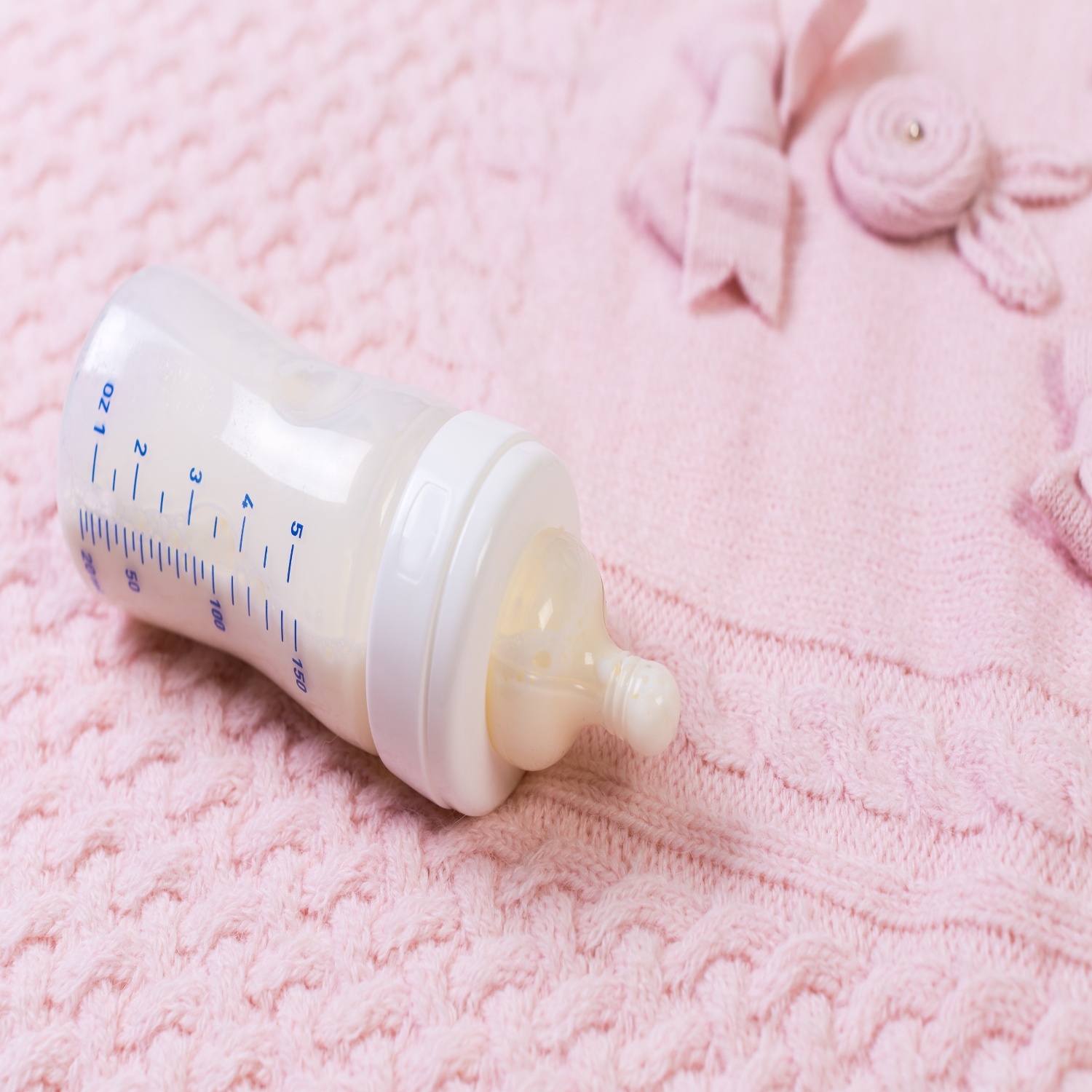
Feeding is one of the most intimate and evolving parts of a baby’s first months. As babies grow, their needs and routines shift, leading many parents to wonder which bottle size is right at each stage. The 6 oz feeding bottle stands out as a safe, practical choice for 2025—bridging the gap between newborn tummies and growing appetites. Whether at home or on the move, the right bottle brings peace of mind, supports healthy development, and adapts to daily family life.
How a 6 oz feeding bottle fits your baby’s journey
In the whirlwind of new parenthood, bottle sizes can feel confusing. Feeding needs change quickly: what worked in the first weeks may soon require adjustment. A 6 oz feeding bottle offers a gentle compromise—it’s large enough to support both breastfed and formula-fed babies as their intake grows, but small enough for tiny hands and tummies.
This size is a practical ally for parents who combine breast and bottle, navigate feeding on-the-go, or simply want to reduce waste. With research suggesting most infants take feeds between 3 and 6 ounces during the first half-year, a 6 oz bottle fits naturally into this key stage. It can make daily routines—at home and outside—less overwhelming for families discovering their rhythm.
Understanding feeding volumes and baby development
Feeding volumes increase rapidly in the first six months. Newborns may take 2 to 3 ounces per feed, but by three to four months, intake often rises to 4 to 6 ounces. Growth spurts and sleep changes also play a role in how much a baby wants at each meal. Using a 6 oz feeding bottle supports this progression, providing room for growing appetites without encouraging overfeeding or frequent refills. It’s about respecting your baby’s cues while embracing flexibility.
A versatile choice for at home and on the go
Modern family life demands adaptable solutions. The 6 oz feeding bottle is easy to transport, making it a favored option as a travel feeding bottle. Its size fits neatly in most bags and cup holders, and it’s rarely too bulky for outings, daycare, or car rides. Parents managing work transitions or shared caregiving often find this bottle more flexible than larger or tiny sizes. The right bottle can be a reassuring constant wherever your journey leads.
What parents value in a 6 oz feeding bottle
Parent feedback on 6 oz baby bottles consistently highlights three priorities: safety, comfort, and convenience. Choosing a bottle is more than a task—it’s an extension of care and trust, shaped by research, trends, and real-world experience. Today’s parents seek products that protect their babies while making daily routines feel easier and more natural.
Safety and bottle materials what really matters
Safety is a top concern in any feeding decision. Modern 6 oz feeding bottles often feature materials labeled BPA-free and phthalate-free, aiming to eliminate chemicals that could migrate into milk. Glass bottles, silicone, and new plant-based plastics are increasingly popular, reducing concerns over plastic leaching. According to current evidence, all baby bottles sold in major markets meet strict safety standards, so parents can prioritize reputable brands and transparent labeling. For additional insights on bottle safety, families may find Harvard Health’s overview of plastics in baby bottles helpful. By making informed choices, parents offer both comfort and assurance at every feed.
Modern innovations that support feeding ease
Today’s 6 oz baby bottles incorporate thoughtful features designed to ease common feeding challenges. Anti-colic valves and venting systems aim to minimize air intake, which research suggests can lower the risk of discomfort or gas. Nipple designs now mimic breastfeeding actions, supporting families who wish to combine bottle and breast. Wide-neck bottles are valued for making filling and cleaning even smoother. Some models introduce gentle temperature cues, helping busy parents avoid overheating—though the basics of attentive, safe feeding remain unchanged.
Making cleaning and maintenance manageable
Keeping bottles clean can feel daunting, especially when days are full. Many 6 oz baby bottles are dishwasher-safe or designed for quick assembly/disassembly. Daily washing with warm soapy water is usually sufficient between sterilizations. Occasional boiling or steam methods help maintain safety, but balance and routine look different for every household. Clear bottle markings and wide openings make it easier to spot residue and ensure thorough cleaning—everyday reassurance for parents with little extra time.
What’s new in 6 oz feeding bottles for 2025
Parenting trends reflect broader shifts in health, technology, and sustainability. For 2025, innovations balance scientific advances with lived experience, aiming to make bottle feeding more adaptable and mindful.
Technological advances changing bottle feeding
Some 6 oz feeding bottles now offer built-in temperature sensors or digital tracking, letting parents monitor feeding amounts or milk warmth with more confidence. While these features can bring added peace of mind, many experts agree that responsive feeding and proper cleaning still form the foundation of healthy bottle use. Technology is a tool, not a replacement, for attentive care. Choosing the bells and whistles that match your comfort level is what matters most.
Eco-friendly and sustainable options
Environmental impact is top of mind for many families. Glass and silicone 6 oz baby bottles have gained traction for their reusability and recyclability, offering durable alternatives to single-use plastics. Plant-based plastics provide another option, though parents should weigh their durability against daily wear and tear. Ultimately, the best bottle is one that suits your baby, your lifestyle, and your values—safety and practicality come first, with eco-conscious features as a welcome bonus.
Most popular and trusted 6 oz baby bottles
Trusted brands remain favorites in parenting circles thanks to a blend of proven performance and thoughtful design. While expert guides and reviews highlight certain names for reliability or unique features, family feedback is just as valuable. Preferences vary: some love glass, others prefer lightweight plastic or flexible silicone. What unites families is the search for products that truly support real-life feeding routines.
Solving real feeding challenges with the right 6 oz bottle
Feeding can bring unexpected hurdles—colic, gas, or transitioning between breast and bottle. The features built into 6 oz feeding bottles are designed with these needs in mind, informed by both research and collective parent wisdom.
Transitioning between breast and bottle
For families navigating mixed feeding, the design of bottle and nipple is especially significant. Research suggests that slow-flow nipples with a shape mimicking the breast help reduce nipple confusion, supporting breastfeeding continuation when introducing a bottle. Responsive feeding cues and patient practice give babies the best chance to adjust at their own pace, no matter which combination works for your family.
Reducing colic and gas features that make a difference
Colic and gas can be distressing, often linked to swallowing air or immature digestion. Anti-colic bottle features, like vented systems or angled shapes, help reduce these issues by minimizing bubbles and pressure. While no bottle is a “cure-all,” many parents report that the right design lowers discomfort, creating calmer feed times and less stress for everyone involved.
Supporting your baby as they grow
The versatility of a 6 oz baby bottle shines as babies increase their intake or feeding frequency changes. Many bottles offer interchangeable nipples or handles, adapting as motor skills develop. Some families transition to larger bottles as appetites grow, while others find the 6 oz size suits snacks and smaller feeds into toddlerhood. The bottle you choose should support—not complicate—your baby’s changing needs.
Practical tips for choosing and using a 6 oz feeding bottle
There is no single solution to bottle feeding—only the right choice for your family in this season. With new products and evolving guidance, flexibility and self-compassion are key. Here are some practical ways to navigate selection and daily use with confidence.
Selecting the right mix of bottles and sizes
Some families manage comfortably with a single bottle, while others keep multiples for daycare, night feeds, or travel feeding bottle use. Your routine, washing preferences, and baby’s pace will help guide this decision. There is no perfect quantity—just what keeps feeding smooth for your household.
Cleaning, sterilizing, and keeping bottles safe
The basics of bottle hygiene include prompt washing after use, regular sterilization, and careful drying. Both hand-washing and dishwasher methods are safe with most modern bottles; check your product’s guidelines. Weekly sterilization, especially in the early months, is widely recommended. Finding a routine that feels manageable and doesn’t add extra stress is most important for long-term success.
Matching bottle choice to your baby and your lifestyle
Consider what matters most for you and your little one—feeding approach, sensitivity to materials, travel needs, and even budget. Every family’s needs will look a little different. Trusting your instincts and the growing body of evidence-based advice is enough. You know your baby best.
Honoring every family’s feeding journey
No bottle, routine, or schedule can define the love and care that shapes early feeding. The Parent Chapter honors the diversity of family feeding journeys and the thoughtful decisions made each day. Whether you’re learning about newborn feeding cues and schedules, exploring materials, or adapting routines as your baby grows, the priority remains a safe, fed, and cherished child. Your journey is unique, and your choices—rooted in care, research, and trust—are what matter most.
For related guidance on newborn feeding schedules, see understanding baby feeding cues and schedules.