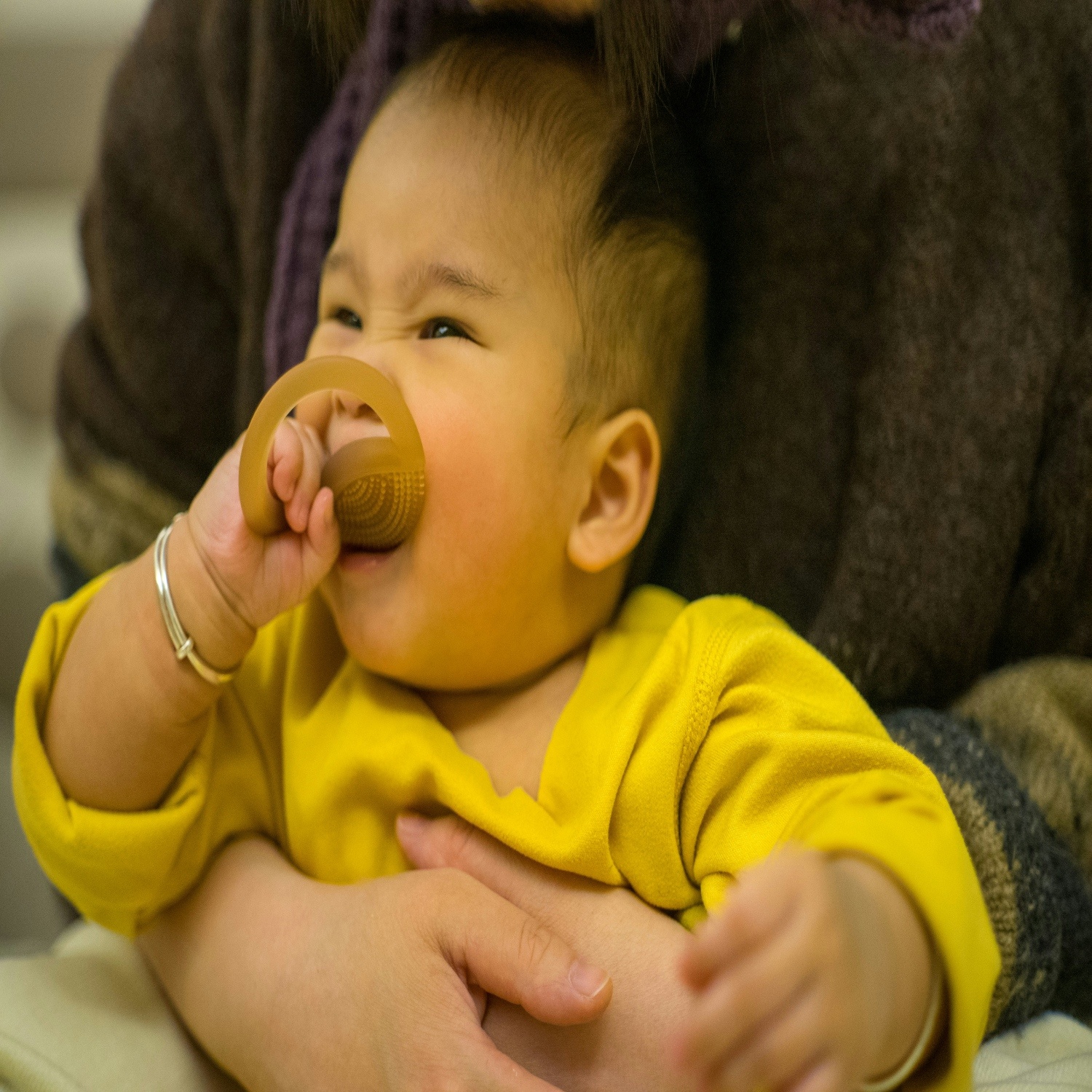
Choosing the best 3 month teether is a thoughtful decision rooted in care, comfort, and safety. Early teething invites both excitement and worry—what’s happening in your baby’s mouth, and how can you ease their journey? With so many teething toys for babies 3 months and younger, it helps to understand how teething starts, what features matter most, and how to navigate this tender milestone calmly and confidently.
What teething looks like at three months
For many parents, the teething process can seem surprising at three months—especially when no teeth have appeared. In fact, it’s normal for teething to begin well before the first tooth cuts through the gum. Some babies start showing early signs as young as three months, while for others it comes later. Every baby follows their own timeline, and these variations are part of healthy development.
Common behaviors in this stage include increased drooling, a strong desire to chew on fingers or fabrics, gum redness, and a bit more fussiness than usual. Occasionally, sleep routines or feeding patterns may shift. These changes are a physiological response as the gums prepare for new teeth. For parents, witnessing your child’s discomfort can feel tough—rest assured, these symptoms are normal. This phase also marks your baby’s growing sensory awareness, as they begin to explore the world around them through touch and taste.
Key qualities of a great teething toy for babies 3 months old
Safety and non-toxic materials in a 3 month teether
At three months, babies instinctively put items in their mouths to self-soothe, so choosing a safe 3 month teether is crucial. Look for teethers made from BPA-free silicone, natural latex rubber, or sustainably sourced wood. These materials are less likely to harbor toxins or allergens. High-quality brands often submit their teethers to independent safety testing, complying with standards such as EN71 (Europe) or ASTM (USA). For peace of mind, check for safety certifications on packaging.
Material safety also means avoiding small detachable parts and opting for teethers designed to withstand frequent chewing. With growing discussion around microplastics and chemical leaching, thoughtful material choice helps protect developing immune systems.
Thoughtful design for tiny hands and growing senses
Teething toys for babies 3 months are most effective when they fit comfortably in small hands. Lightweight, easy-grip designs encourage your baby to grasp independently, supporting early motor development and hand-eye coordination. Textured surfaces invite babies to explore different sensations on their gums, which can be soothing and stimulating at once.
Look for ergonomic shapes with features like handles, loops, or rings. These details help prevent frustration and boost confidence as your baby learns to hold and mouth the object. Thoughtful design also makes it easier for parents to sanitize and monitor the teether’s condition.
Innovative features cooling and multifunctional teething toys
Cooling teethers can offer extra relief for sensitive gums. Filled with sterilized water or gel, these toys can be chilled (not frozen) to gently numb discomfort. Always follow manufacturer guidelines—never freeze, as this can make teethers too hard and unsafe for infants.
Some teethers are multifunctional, doubling as rattles or first sensory toys. These teething toys for babies 3 months encourage visual and auditory exploration while providing tactile comfort. Babies may be drawn in by gentle sounds or interactive elements, making teething less stressful for both infant and caregiver. Prioritizing versatility can also help keep your baby engaged through several developmental phases.
What’s trending in 3 month teether designs for 2025
As awareness of eco-friendly materials and inclusive design grows, teether trends continue to evolve. Families are increasingly seeking sustainable, customizable, and visually engaging solutions that reflect their values and celebrate baby’s individuality. Modern teethers aren’t just tools—they’re meaningful pieces of early learning and bonding.
Sustainable and eco-friendly materials in teething toys for babies 3 months
A growing number of teethers use plant-based rubber, responsibly managed wood, or food-grade recyclable silicone. For many families, these choices signal a commitment to reducing environmental impact and supporting fair labor practices. While plastic remains common, eco-conscious options are steadily rising in popularity—and offer peace of mind for parents sensitive to the broader impact of their purchases.
Sensory play and emotional connection
Teethers with interesting textures, gentle sounds, and vibrant (but safe) colors engage multiple senses at once. This fosters exploration and can help babies relax, learn, and connect with their caregivers. Purposeful design turns teethers into bridges for communication—inviting games, smiles, and moments of closeness during unsettled days.
Simple rituals like handing your baby their favorite teether or describing its texture and color nurture language and emotional bonds. Sensory-rich teething toys for babies 3 months support both brain development and family connection.
Personalization and visual appeal
Custom engraving and playful design flourishes give modern teethers a personal touch. Some families choose shapes, initials, or color palettes meaningful to their culture or story. Research shows that rich visual environments can support cognitive growth and attention span in young infants. Choosing a teether that delights both parents and babies creates positive associations with comfort and learning from the start.
How to introduce and use a 3 month teether safely
Introducing a 3 month teether is about observing your baby’s readiness cues and creating a safe experience from the beginning. Start slowly, offer supervision, and maintain a gentle approach.
Signs your baby is ready for a teething toy
Typical readiness cues include putting hands or objects in their mouth, increased drooling, gnawing, and heightened irritability. Every baby’s pattern is different—some may show interest before three months, while others may take longer. Trust your baby’s signals and don’t worry if milestones arrive at their own pace.
Teether hygiene and maintenance
Cleanliness is essential, as teethers are handled often and go directly in the mouth. Many silicone teethers are dishwasher safe; others should be hand washed with warm, mild soap. Sterilize new teethers before first use and routinely inspect for wear or damage. For wood or fabric parts, consult care instructions and allow thorough drying. Always replace teethers if they crack, tear, or show signs of loose pieces to safeguard against choking risks.
Allergy and safety checks
If your baby develops redness, rash, or other reactions where the teether touches the skin, discontinue use and consult your pediatrician. Common allergens like latex or certain dyes can be problematic for sensitive babies. Inspect your teether regularly for rough edges, splits, or loosened parts. Being proactive with checks supports both immediate safety and long-term confidence as your child’s curiosity grows.
Helping your baby cope with teething challenges
Teething can be an emotional hurdle—babies may be more unsettled, and caregivers may feel uncertain or even exhausted. This stage, however, is temporary. You can offer comfort and stability through small, research-backed rituals beyond the teether itself.
Comforting through fussiness and disrupted sleep
Extra cuddles, gentle rocking, and a calm bedtime routine help reassure your baby when discomfort peaks at night. White noise, soft music, or a cool washcloth on the gums can provide gentle relief. Most importantly, give yourself permission to ease off daily expectations—resting and nurturing are achievements in themselves during this season.
Encouraging self-soothing and positive associations
Show your baby how to grasp and mouth their teether, praising them as they experiment with textures and sensations. This guidance supports self-soothing, which is a valuable skill for both sleep and everyday transitions. If your baby prefers fingers or another comfort object, that’s fine too. The goal is support and discovery, not rushing progress.
Additional teething relief ideas
Other strategies offering relief include gentle gum massage with a clean finger, approved teething crackers if developmentally appropriate, and (if recommended by your pediatrician) a pacifier. For a comprehensive overview of teething comfort and oral health, visit teething and dental care advice from the American Academy of Pediatrics.
The parent perspective on early teething everyday wisdom
Every tooth marks a small step in your baby’s journey, often wrapped in sleepless nights, drooly smiles, and surprising resilience. Early teething unfolds on its own timeline—sometimes slowly, sometimes all at once—with questions and discoveries along the way. Community, shared advice, and a dose of gentle self-compassion can make these first milestones feel a little less mysterious.
Remember that the best 3 month teether meets your baby’s needs and your family’s values, while honoring the patience required to weather discomfort and change. Each soothing moment is a quiet triumph, helping your child grow not just teeth, but confidence and security, too. We’re with you—celebrating every tiny victory, one tooth at a time.