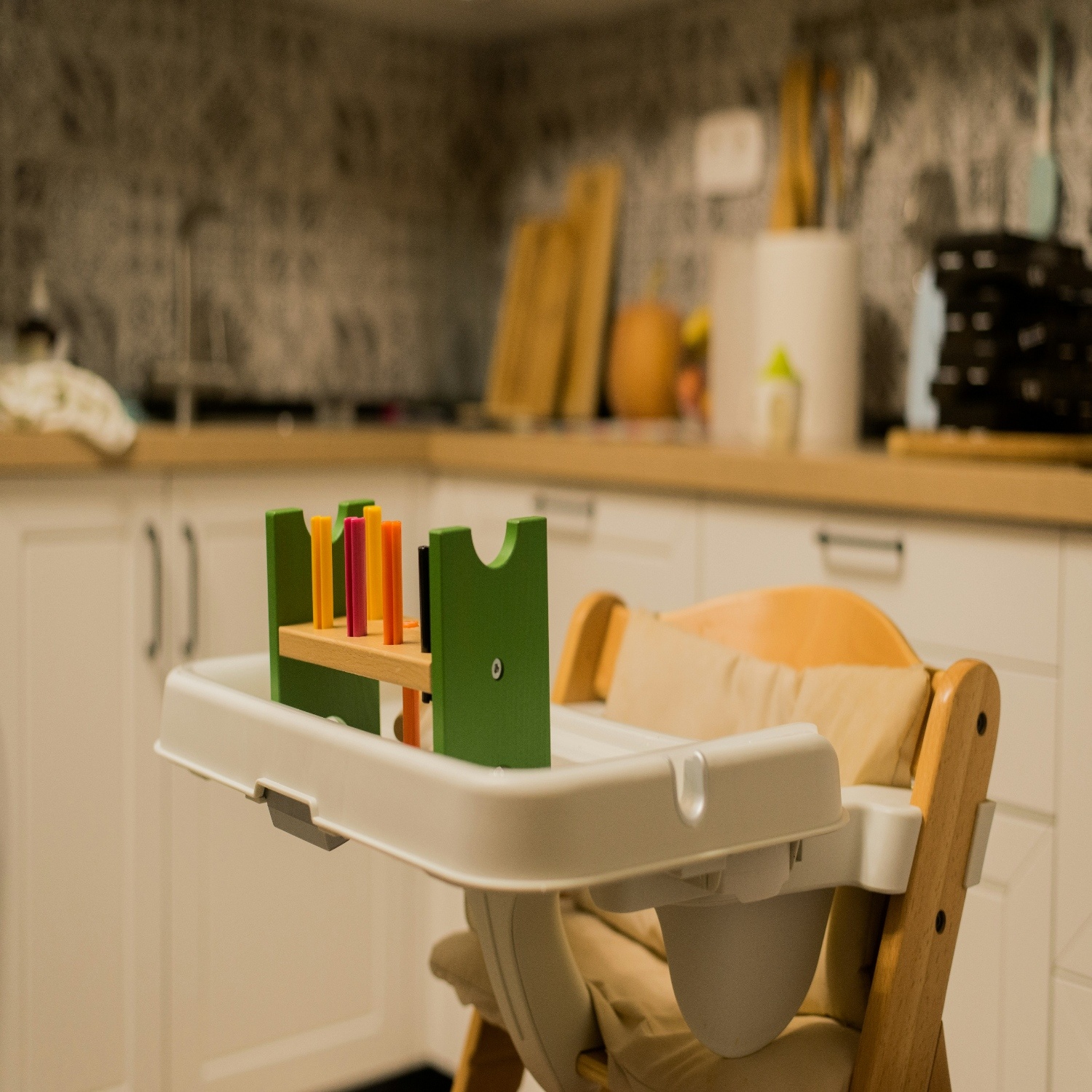
Parenthood invites us to make choices in a world filled with options—especially when it comes to baby gear. If you have browsed for a high chair, you have likely encountered the promise of a “3 in 1 highchair” or “high chair 3 in 1,” which seem to do everything. But what do they really offer, and how do you know what fits your family’s needs? Here, we offer a calm, practical look at features, benefits, and real-world uses, so you can approach this choice with clarity and confidence.
Understanding the 3 in 1 highchair and what it really means
Choosing baby gear can feel overwhelming, with so many labels and features to decipher. At its core, a 3 in 1 highchair is designed to grow alongside your child. It typically offers three functions: a classic infant high chair, a toddler chair, and a booster or youth seat that attaches to a regular dining chair. The idea is to support your child through different feeding stages—all with one product.
Yet, “3 in 1” may mean slightly different things across brands. Some may offer all three stages as distinct, fully usable setups. Others may blend stages, or offer modes that are theoretically possible but less practical in real life. Most models serve infants from around six months (when sit-up support begins) through toddlerhood, and sometimes well into early childhood. Still, it is important to check manufacturers’ specific weight and age guidelines for safety.
Transitions between stages are a key element, and parents often find that their child lingers in one stage longer than anticipated—sometimes skipping another altogether. Setting realistic expectations and understanding the options from the start makes the journey more comfortable for everyone.
Why many families are choosing the high chair 3 in 1 approach
Today’s families often balance small spaces, evolving routines, and thoughtful spending. The high chair 3 in 1 concept appeals for its promise of simplicity and lasting value. Instead of cycling through multiple pieces of gear—often outgrown or outmoded quickly—many caregivers prefer one chair that adapts over several years.
This trend reflects broader shifts toward minimalism, sustainable choices, and waste reduction. As highlighted by reports in parenting media and organizations like Consumer Reports, parents appreciate baby products that last, reduce clutter, and avoid unnecessary spending. A 3 in 1 highchair, if genuinely functional at every stage, can offer both savings and peace of mind by supporting a range of needs.
Of course, different families bring unique priorities to the table. Whether you are managing a tight budget, seeking eco-friendly options, or working with limited living space, your approach is valid—and the right choice simply reflects your real-life needs.
Features that matter most when choosing a 3 in 1 highchair
Safety first: Non-negotiables for every stage
Safety remains the foundation of any feeding chair. Look for features like a five-point harness and sturdy crotch post that keep your child secure at all ages. Stability is non-negotiable—a wide, tip-resistant base minimizes risk when little ones push or wiggle. Respected safety certifications signal that a 3 in 1 highchair meets recognized standards.
Pediatric occupational therapists and child safety organizations emphasize the importance of these fundamentals, not just for infancy but through every transition. Each new mode—whether toddler seat or booster—should maintain secure seating and easy restraint adjustments to match your child’s growth and activity.
Supporting your child’s comfort and development
The right high chair does more than hold a child safely; it supports healthy posture and confident eating. Ergonomic features—like an adjustable seat and footrest, and a supportive back—promote comfort for infants learning to feed and toddlers mastering independence.
Research suggests that proper postural support helps children focus on mealtimes and can even encourage healthier eating habits. Experts commonly recommend positioning that lets little feet rest firmly on a surface, with hips and knees at right angles. This can reduce fidgeting and choking risks, creating a foundation for lifelong positive experiences at the table.
Keeping it simple: Cleanability and ease of use
Families often cite cleaning hassles and complicated assembly as dealbreakers. Food inevitably finds its way into every nook of a high chair, so easily removable, wipeable fabrics and dishwasher-safe trays are invaluable. Smooth, minimal surfaces keep crumbs and sticky messes in check.
When possible, try out floor models in a store: unlatch harnesses, remove trays, and imagine cleaning with one hand. Parent reviews can offer insights into hidden cleaning challenges. Simplicity does not just make life easier—it supports consistency and safety during busy meals.
Real transitions and longevity
The promise of a 3 in 1 highchair lies in its adaptability. Yet, some products set expectations that only work on paper. Honest models specify safe weight and age limits for each stage. Real-life transitions may look different—some children outgrow the high chair and booster stages at a pace unique to them.
It is reassuring to remember that needing a separate option for a particular stage, or skipping a mode entirely, is not a sign of failure. Each family—and each child—will use a 3 in 1 highchair in their own way. Flexibility is part of the process.
Comparing common 3 in 1 highchair styles: What’s out there
The market for 3 in 1 highchairs is broad, spanning several formats suited to different needs. Full-size convertible chairs typically offer maximum durability and clear transitions between modes. These are often designed to be used daily for several years but may require more kitchen space.
Budget-friendly models can provide the same major functions using lighter materials or simpler mechanisms, but they may be less durable or comfortable across all ages. Slim, modular styles make sense for smaller homes or those who value easy storage. However, look closely at how each style manages key transitions, and how sturdy and supportive they remain over time.
Details like aesthetic appeal, color options, and storage features also vary. If you wish to compare features or verify safety claims, trusted resources like Consumer Reports offer comprehensive overviews and unbiased guidance.
How to choose the best 3 in 1 highchair for your family’s real needs
Assessing your space and daily routines
Reflect on where—physically and practically—the chair will live in your home. Open-plan kitchens, compact dining areas, and frequent travel all shape what is most sensible. If your chair needs to move between rooms, fold for storage, or fit among existing furniture, prioritize lightweight or streamlined models.
Families who dine together at a table may want a high chair that pulls up close or converts into a booster. Those with outdoor or multi-location routines may need easy portability. Think about your routines now, as well as how they might shift in the next couple years.
Budgeting for long-term value
Many caregivers find that spending a bit more upfront yields greater comfort and durability over time. However, it is equally valid to choose a simpler or pre-owned option that meets your needs today. Some brands hold their value for resale or are designed to last for multiple siblings—qualities that can offset initial expense.
Balancing cost with anticipated use is personal, and every family’s math will look different. The best investment is one that supports your child’s safety and your peace of mind.
Factoring in style, sustainability, and family priorities
Visual preferences play a meaningful role. Some families seek classic wood finishes or minimalist lines; others want bold color or playful designs. Consider materials with an eye toward sustainability—whether that means responsibly sourced wood, recycled plastics, or limited chemical use.
Longevity and eco-friendliness may also show up in long warranties or simple, repairable construction. At the same time, some families find that a 3 in 1 highchair is not always the ideal answer—especially if lightweight hook-on seats or single-stage models fit your lifestyle better.
Realistic tips for getting the most from your high chair 3 in 1
Introducing a new chair works best with gentle, gradual transitions. Begin with short practice sessions in the high chair before meals, letting your child play or snack to build comfort. For children who resist change—such as moving from a full chair to a booster—peer modeling and involving older siblings can help.
Caring for your chair matters for longevity: store all parts safely between uses, wash harness straps and trays often, and check for loose or worn elements regularly. When your family outgrows it, consider passing the chair to friends, siblings, or selling it to extend its purpose. For further guidance, consult respected parent resources like HealthyChildren.org for feeding advice, safety checks, or ideas to encourage positive mealtime experiences.
Final thoughts on choosing a high chair 3 in 1 that fits your family
Deciding on a 3 in 1 highchair—or any feeding seat—should feel empowering, not stressful. There is no perfect chair, just the option that works for your unique space, needs, and values. Whether you choose a full-featured high chair 3 in 1, a space-saving model, or another feeding setup entirely, your thoughtfulness matters.
Caregivers show skill and adaptability every day in small, important ways. By focusing on safety, comfort, and what feels right for your family, you are making the best choice possible. For ongoing questions or reassurance, trusted sources and conversations with other parents can offer grounding support on this journey.