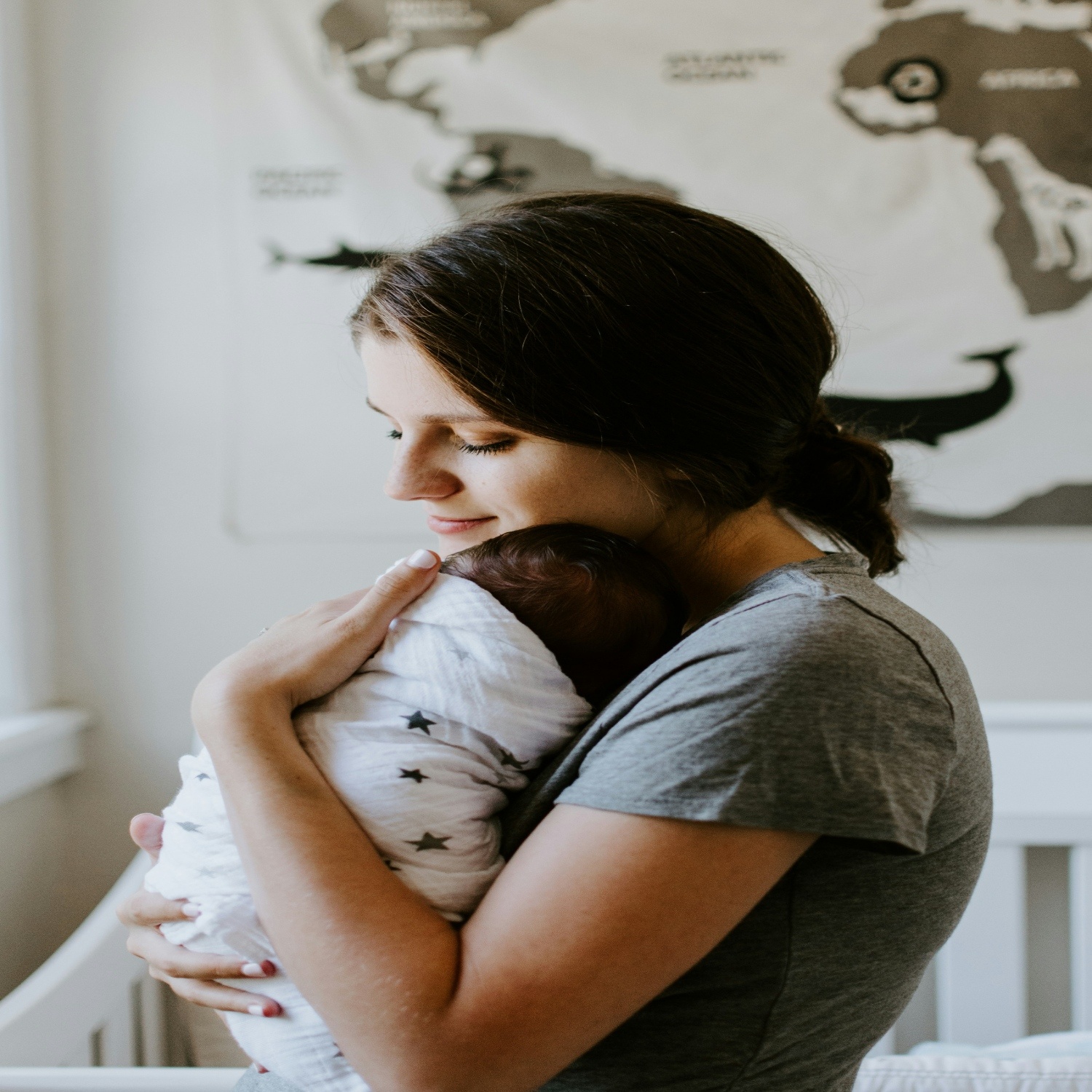
Baby only wants to sleep on me: Gentle, safe solutions for tired parents
Many parents quickly discover their baby only wants to sleep on them. Whether it’s a newborn nestled onto your chest or an infant refusing to snooze anywhere else, it can be both deeply bonding and truly exhausting. This article offers gentle, science-backed answers for families navigating baby sleep challenges—guiding you through normal patterns, safe sleep solutions, and small steps towards better rest for everyone.
Why babies sometimes only sleep on your chest is normal
There is a reason so many parents say, “my infant only sleeps on me.” In fact, around 46% of U.S. caregivers report co-sleeping sometimes or often. This behavior is deeply rooted in our biology. From a developmental perspective, newborns and infants are primed to seek warmth, the sound of your heartbeat, and the comfort of your smell.
Attachment theory helps explain this closeness. In the early weeks especially, a baby’s desire to sleep on a parent is not a sign something is wrong. Instead, it is an adaptation that supported infant safety throughout human history—making babies less vulnerable in unfamiliar surroundings.
Parents often feel a mixture of overwhelming love and overwhelming exhaustion when their newborn only wants to sleep on their chest. Guilt, confusion, even worry about setting “bad habits” are common. Rest assured: needing contact is not a flaw. It is developmentally appropriate, and millions of families have walked this path before you.
What you need to know about co-sleeping and safe sleep
Understanding contact sleep and SIDS risk
“Contact sleep”—when a baby only sleeps on a caregiver—is emotionally satisfying but can introduce risks when not managed with care. Experts recommend placing infants on a firm, separate sleep surface to reduce the chances of sudden infant death syndrome (SIDS) and accidental suffocation. The dilemma for exhausted parents is real: your newborn will only sleep on you, yet you worry it might not be safe.
A safe sleep environment means placing your baby on their back, on a flat, firm crib or bassinet. Soft bedding, pillows, and loose blankets should be avoided. Never allow an infant to sleep unattended on couches or in armchairs. While the pull of contact sleep is strong and natural, following these guidelines helps protect your little one—even when the solutions feel imperfect in the middle of the night.
How to spot when your baby is ready for a sleep transition
Some babies will only sleep on their parent for weeks or months. Gradually, signs may appear that your infant is ready for more independent sleep. These can include longer nap stretches, waking less often at night, or settling with just your presence rather than needing to be held.
In general, newborns under four months will still crave close contact and be less able to self-soothe. After this stage, you might notice your baby waking up rested after being placed down, or needing less physical support to fall asleep. If exhaustion or safety concerns are mounting, it’s appropriate to consider gentle changes—always taking into account your baby’s age, temperament, and your family’s needs.
How to help your baby sleep without being held
Gentle and effective sleep training options
If you’re wondering how to get your baby to sleep without being held, there are several research-backed approaches. The “cry it out” (CIO) method involves allowing a baby to fall asleep independently, with brief check-ins. Some families find rapid improvement, though not every child—or parent—responds well.
Bedtime fading uses the child’s natural sleep times, gradually shifting bedtime earlier each night. Gentle withdrawal, sometimes called “camping out,” keeps the parent nearby while slowly reducing physical contact over days or weeks. Although these methods may take time, recent studies show that delaying formal sleep training until at least four months can be beneficial. Gentle techniques may take longer but can foster trust and reduce fuss for sensitive babies or worried parents.
Responsive alternatives to sleep training
Some families prefer not to use sleep training but still need tips for how to get an infant to sleep without being held. Gradual shifting—such as transferring the baby to a crib while drowsy, or providing a comforting hand rather than picking up—can help. Practicing consistent routines, keeping lights low, and offering verbal reassurance are attachment-minded ways to support a sleep transition.
The emotional impacts of any approach should be honored. If the idea of your newborn only wants to sleep on you feels overwhelming, remember that the best routine is one that protects everyone’s mental and physical health. There is no one-size-fits-all; responding with sensitivity is always a good choice.
A simple bedtime routine for sleep success
Step-by-step bedtime strategies for newborns and infants
Establishing a soothing bedtime routine is a proven way to teach your baby how to sleep without being held. Try these steps:
- Start with a calming feed—breast or bottle—at the same time each night.
- Dim the lights and minimize stimulation 30 minutes before bedtime.
- Use gentle cues: a warm bath, lullabies, or a soft swaddle.
- Place your baby in their crib while they are drowsy but still awake.
- Offer gentle touch or soothing words as needed. After feeding, keep babies upright briefly to prevent spit-up, then settle them down.
Consistency helps, but flexibility is just as important. Regressions are normal around growth spurts, developmental leaps, or teething. Give yourself permission to adjust routines and expectations day by day.
How to handle sleep regressions and growth spurts
Many babies who have learned to sleep without being held will still experience setbacks. Periods of fussiness, increased night waking, and changes in appetite are common during growth and development. When this happens, revisit calming routines, offer extra cuddles, and lower household stress where possible.
You are not back at square one if your infant only sleeps on you during a regression. These phases are temporary and do not reflect on your parenting or your baby’s long-term sleep skills.
How real parents balance bonding, exhaustion, and independence
Modern parenting can feel like a balancing act: you want to meet your baby’s needs, maintain your own well-being, and navigate changing cultural norms around co-sleeping and independence. Many parents share that their baby only wants to sleep on them, especially during seasons of change. One mother describes, “I never planned to co-sleep, but we just needed more rest. We found a rhythm that worked for our family, even if it wasn’t what we expected.”
Today, dual-earner households, busy schedules, and heightened awareness of both SIDS risks and emotional health add pressure. If you find yourself burned out or unsure, reach out to a pediatrician, a licensed sleep consultant, or a mental health professional. Caring for yourself is never selfish. If you’d like to learn more about parental well-being, see our guide Parental burnout: Signs and how to care for yourself.
Key takeaways and gentle encouragement for your family’s sleep journey
If your baby only wants to sleep on you, know that you are not alone. This is a normal part of infancy, supported by biology and shaped by your family’s needs. As you work towards sleep independence, focus on safety, compassion, and gradual change—there is no “perfect” solution except what works for your unique household.
Transitions are rarely linear. Give yourself time and grace. Whether you choose sleep training, gentle alternatives, or responsive co-sleeping, you are making thoughtful decisions rooted in love.
For more on baby sleep patterns, visit When do babies sleep through the night? or to better understand sleep training research, visit Cry it out method: What experts want parents to know. Your journey matters, and your efforts are enough.