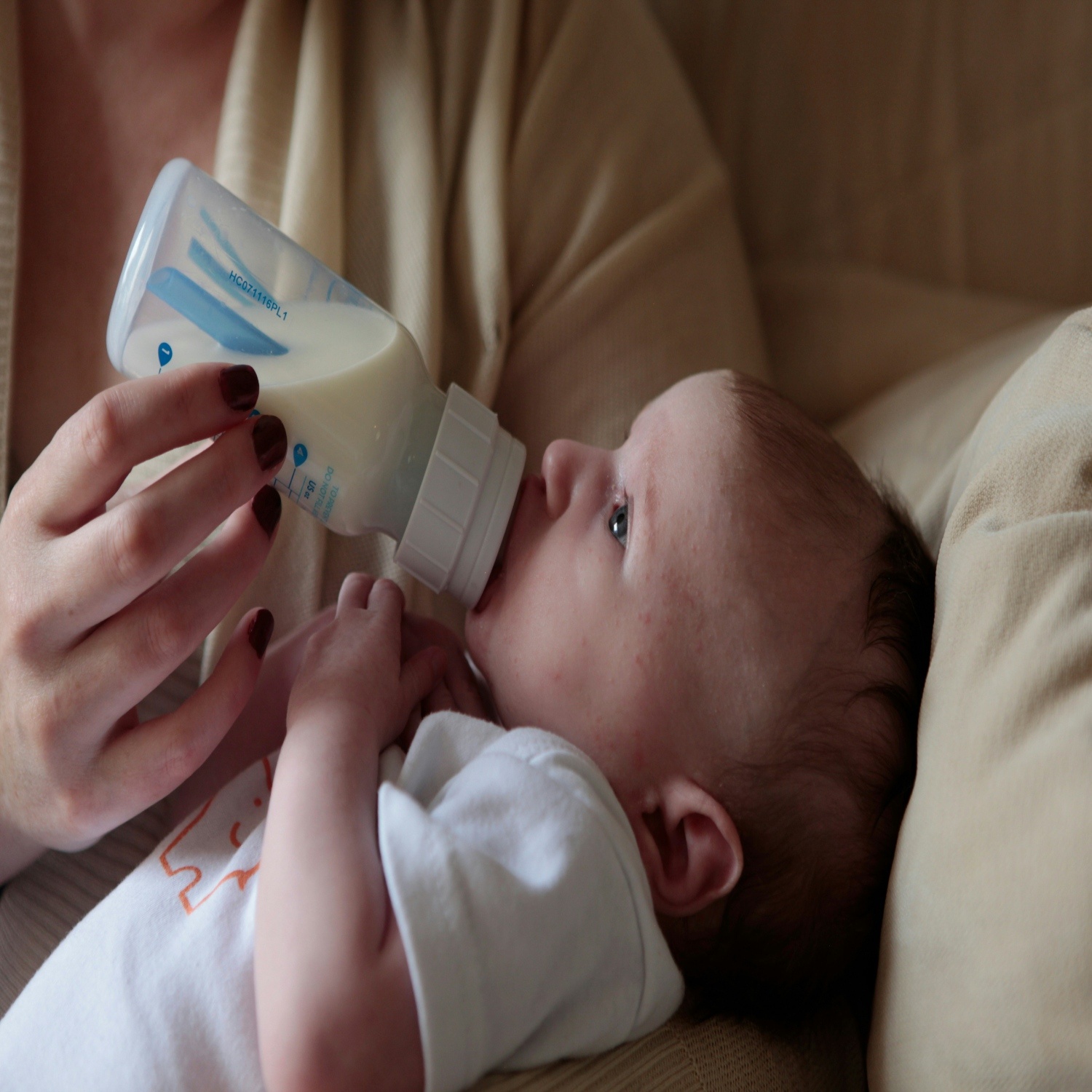
Overview — why silicone vs plastic is a top question for caregivers
Every parent wants peace of mind at feeding time. When bottles line up in the kitchen cabinet, it is natural to wonder: are silicone bottles better than plastic? This question keeps resurfacing because it speaks to a parent’s core concerns—keeping their child safe, making daily routines a little easier, and investing wisely in products that last.
Today’s choices go far beyond just color or brand. Safety, chemical exposure, durability, and baby comfort all matter. Whether you are a new parent searching for options or a caregiver considering an upgrade, the silicone vs plastic baby bottles debate touches on what matters most—your child’s wellbeing and your confidence. Here, we provide honest, evidence-based answers, while easing any worries with our calm and trusted perspective. For related feeding choices, our best bottles for breastfed babies guide offers more insights.
Are silicone bottles safer than plastic? Chemical safety and heat comparison
What worries parents — BPA, phthalates, and microplastics explained
Questions about “are silicone bottles safe” often stem from well-known concerns. For years, parents have heard about chemicals like BPA (bisphenol-A), phthalates, and BPS in traditional plastic bottles. These compounds can leach into milk, especially when bottles are heated or scratched, raising real health questions.
Recent studies, including those highlighted by the American Academy of Pediatrics, found that exposure to even low levels of plasticizers and microplastics might affect hormone systems and overall health. Phthalates act as softening agents in some plastics and are associated with developmental risks. Microplastics are tiny plastic particles that can shed during repeated use and heating. With new evidence emerging, many parents want to avoid these risks altogether.
How silicone and plastic bottles perform under heat, cleaning, and real use
When it comes to bottle safety, how a material behaves during real use—boiling, sterilizing, daily feeding—matters. Scientific testing has shown that polypropylene (a common plastic in bottles) can release microplastics after repeated washing or high-heat exposure.
Food-grade and medical-grade silicone, widely used in bottles today, is prized for its stability. Silicone withstands high heat without breaking down, generally does not leach harmful chemicals, and remains pliable. However, manufacturing quality can vary. It is always wise to choose bottles labeled “food-grade” or “medical-grade” and avoid suspect products. Research into microplastic risk for silicone is still ongoing, but so far, no major safety concerns have emerged when bottles are made and used as directed.
When silicone is best — and when glass or stainless may be safer
Silicone bottles shine when:
- You want to avoid BPA, phthalates, and other plasticizers entirely
- Breakage is a concern (travel, daycare, or self-feeding by toddlers)
- You need light, flexible bottles that are easy for small hands to hold
Glass or stainless steel bottles may be best if:
- Absolute chemical inertness is a top concern
- You prefer bottles that last for years and tolerate repeated boiling
- Recyclability and long-term sustainability are your highest priorities
In short, “are silicone bottles safer than plastic” is often answered “yes” for daily convenience and most safety needs, but glass and stainless are still gold standards for total chemical inertness.
Everyday factors — durability, baby preferences, and cleaning realities
Shatterproof, flexible, and lightweight — when silicone shines
One of silicone’s standout traits is practicality. Modern families appreciate bottles that bounce rather than break and can stand up to drops in the kitchen or nursery. Silicone bottles are soft, squishy, and almost impossible to shatter, making them perfect for on-the-go parents and nighttime feeding.
Parents often comment on how easy silicone bottles are for babies to handle. Their gentle flexibility means less stress about bumps and falls—just one reason parents keep returning to silicone after trying other materials.
Feeding ergonomics — baby latch, feel, and comfort
Bottle feeding is highly individual. Some babies seem to prefer the gentle “give” of silicone; others latch equally well to firmer plastics or glass. Silicone bottles often come with soft, breast-like teats that may appeal to babies transitioning from breastfeeding.
Shapes, flows, and nipple textures vary within both silicone and plastic ranges, so it is worth trying a few to see what your baby loves. Remember, there is no universally “right” bottle—each child has unique needs and quirks, and most parents find their way by gentle trial and error.
Ease of cleaning and signs it’s time to replace
Silicone bottles are top-rack dishwasher safe and withstand sterilizing better than most plastics. Parents like that stains wash off easily, and the material seldom absorbs odors. However, even durable silicone should be inspected regularly for stickiness, cracks, or any surface changes.
Plastic bottles, while lightweight and affordable, tend to discolor or scratch more quickly. As a rule of thumb, replace any bottle (silicone or plastic) showing signs of wear—stickiness, cloudiness, or thin patches are gentle reminders to start fresh. Establish a comfortable cleaning routine that feels manageable, knowing consistency builds confidence and safety.
Sustainability and long-term cost for families
How silicone, plastic, glass, and stainless steel compare over time
Looking at the big picture, are silicone bottles better than plastic for the planet and your wallet? Silicone’s durability means bottles often last through more than one baby with proper care. Plastic bottles tend to wear out faster, requiring more frequent replacement.
Glass and stainless steel are the highest achievers for recycling and longevity—these materials can endure years of use if handled carefully. Silicone is not curbside recyclable at most facilities but will usually last much longer than plastic. Consider glass or stainless if you plan to reuse bottles for several siblings.
Cost and availability — making the investment work for your family
Silicone baby bottles typically cost more upfront than most plastics but less than premium glass or stainless steel options. However, their longer usable life and resistance to breaking can balance out the initial price, especially for families hoping to reuse bottles or pass along to siblings.
Watch for sales or value packs, and check for brands that offer affordable replacement parts. Many parents find the peace of mind from higher-quality, safer material justifies the cost, especially when bottles are in heavy daily use.
How to choose and care for silicone bottles — safe shopping and use checklist
Simple checklist for safe, healthy bottle use
Here is a quick list for safe, confident use of silicone vs plastic baby bottles:
- Choose bottles marked “food-grade” or “medical-grade” silicone from reputable brands
- Avoid bottles with stickiness, strong odors, or obvious tears
- Follow the manufacturer’s guidance for dishwashing, boiling, or steam sterilizing
- Inspect bottles before each use; replace at first sign of wear or damage
- Look for brands that publish transparent testing or hold safety certifications
For more, check resources like Consumer Reports on baby product safety.
When plastic might still make sense — and how to maximize safety
Silicone bottles are growing in popularity, but many families still use plastic bottles—some by choice, others for budget or convenience. If you opt for plastic, look for bottles labeled “BPA-free” and “phthalate-free.” Replace them at the first sight of cloudiness, cracks, or scratches, and avoid exposing plastic bottles to high heat or harsh scrubbing.
Mix formula with a spoon rather than shaking it in the bottle, and avoid microwaving. Simple steps like these help reduce the risk of microplastic shedding and keep feeding moments safe, easy, and worry-free.
Matching baby bottle material to your real-life priorities
At the core, the question “are silicone bottles better than plastic” is about what feels right for your family. Today’s science says silicone bottles are generally safer than most plastics and outperform them in day-to-day resilience. Many parents appreciate how silicone combines chemical safety and flexibility without the weight or breakability of glass.
Still, every family juggles unique routines, baby preferences, and personal values. What matters most is confidence in your own informed choice—knowing that safe, loving feeding is what truly builds trust and connection. For more personalized options, our bottles for gassy babies guide offers compassionate, expert advice. However you choose to nourish your child, you are making a thoughtful, loving decision—and that matters above all.