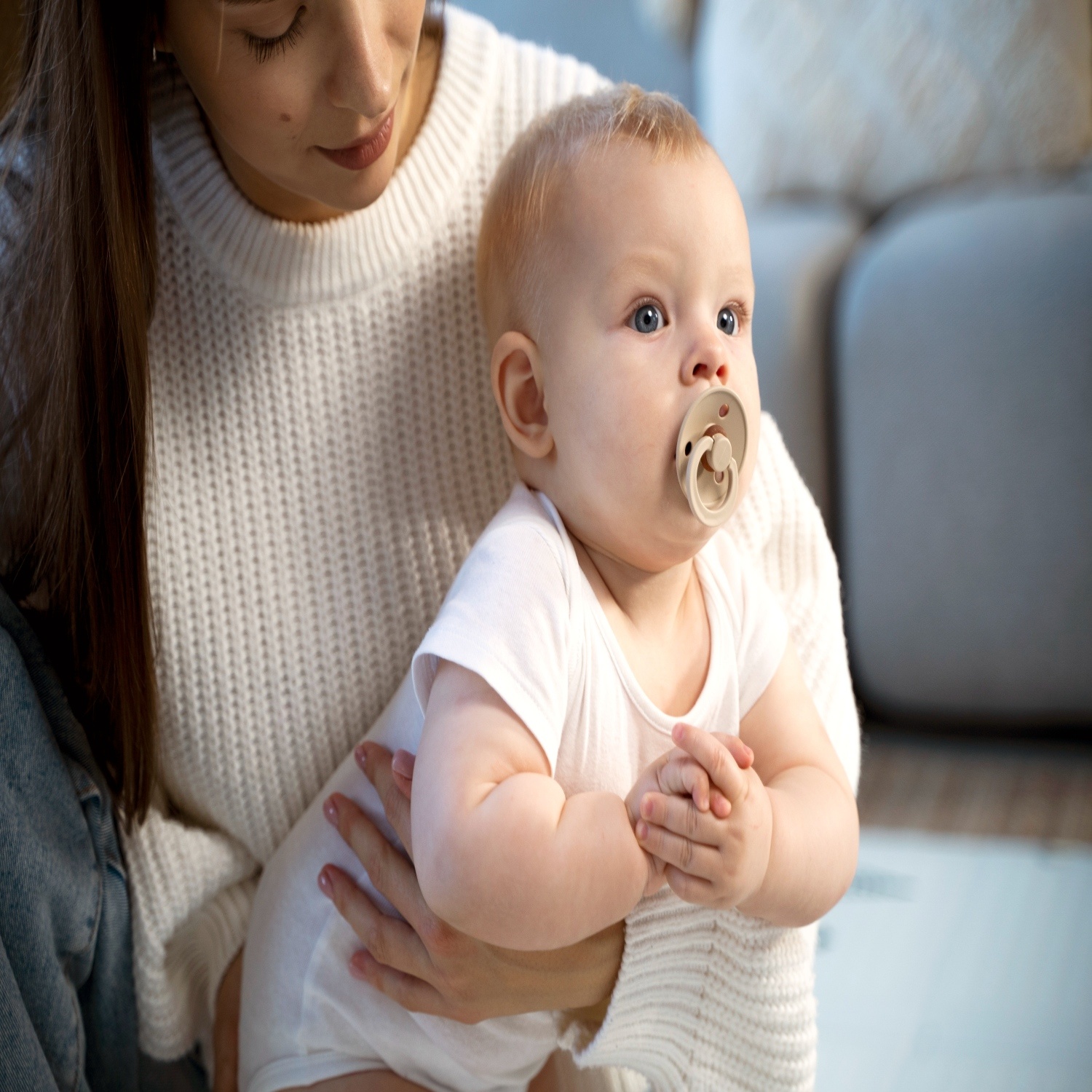
Pacifiers are more than a simple source of comfort—they are tools that support your baby through stages of rapid growth and change. Around the 6-month mark, your baby’s needs shift in subtle but important ways, making the choice of pacifier just as essential as in the newborn months. Here, we explore what makes the best 6 month pacifier for growing babies, drawing on expert recommendations and the lived experience of modern parents navigating this milestone.
Understanding pacifier needs at 6 months
At six months, babies go through big developmental leaps—chewing, teething, and increased curiosity about the world. Parents often wonder if their old pacifier is still the right fit. In truth, this is a time to adapt. A 6 month pacifier is designed with your baby’s changing mouth and jaw in mind, differing from the smaller, softer newborn versions. Pediatric experts emphasize the importance of transitioning to an age-appropriate size and shape for both safety and comfort. This small change can make a real difference as your child explores new skills and needs reliable soothing in a growing world.
What makes a pacifier right for 6 months and older
Size and shape how growing mouths need tailored support
By 6 months, your baby’s mouth and jaw have grown. They are developing stronger muscles and are often starting to teethe. This stage calls for a pacifier with a larger nipple size and a wider shield—essential features of a 6 month pacifier. These design updates not only cater to size but provide gentle support for mouth development. If you’re feeling uncertain about switching styles or sizes, know that most children adjust quickly, and these changes are made to ensure safety and development. Transitioning might take a few tries, but it’s a positive step as your baby’s needs evolve.
Orthodontic design supporting healthy teeth and jaw development
“Orthodontic” pacifiers are crafted based on pediatric dental guidance. They feature shapes that reduce pressure on your baby’s gums and developing teeth, lowering the risk of misalignment. Orthodontic design encourages your baby’s tongue to move and rest in a natural way, supporting proper breathing and helping prevent future alignment concerns. Choosing an orthodontic 6 month pacifier is a proactive step in nurturing your child’s oral health, and it reflects the care you put into each decision for their well-being.
Material safety and easy cleaning
Modern pacifiers are most often made from medical-grade silicone or natural latex. Silicone is favored by many parents for its durability, hypoallergenic nature, and ease of cleaning. Latex is softer but can wear out faster and poses a small allergy risk for some children. For safety, look for a one-piece construction to prevent breakage, and shields with ventilation holes to keep skin comfortable. Cleanliness also matters more as your baby becomes mobile, so choose a pacifier that can withstand frequent sterilization and is simple to keep fresh in daily use.
Expert-recommended 6 month pacifier brands and their features
Philips Avent Soothie
Widely respected among hospitals and dental professionals, the Philips Avent Soothie is made from a single piece of medical-grade silicone. Its simple shape is suitable for babies 6 months and older, and it’s easy to sterilize. Caregivers appreciate its durability and the absence of small parts.
Chicco PhysioForma
The Chicco PhysioForma line stands out for its orthodontic design, shaped to promote correct tongue positioning and breathing. It’s recognized for its lightweight feel, gentle curves, and soft silicone material. Many parents remark on how easily their babies accept this style, and cleaning is pleasantly straightforward.
MAM Perfect
MAM pacifiers for 6 months and above are developed with dental experts to minimize pressure on developing teeth. Their shields have generous ventilation and contoured edges, while the silicone nipple is ultra-thin and soft. MAM’s self-sterilizing storage case is a welcomed convenience for busy families.
Tommee Tippee Closer to Nature
A popular choice for older infants, Tommee Tippee Closer to Nature pacifiers feature a symmetrical orthodontic design and textured, skin-like nipple. Their wide shield provides comfort and safety, and the materials are easy to clean, supporting parents during the transition to solid foods and increased exploration.
NUK orthodontic pacifiers
NUK is known for its evidence-based orthodontic shape, modeled after a parent’s nipple during breastfeeding. The pacifier’s asymmetrical design suits babies 6 months and older, encouraging natural tongue movement. NUK’s air system and soft silicone make it gentle on gums, teeth, and skin, with designs loved by both parents and professionals.
How to compare pacifiers for 3 months vs 6 months vs 12 months
Choosing a pacifier evolves as your child grows. Pacifiers labeled for pacifier 3 months are smaller and softer for newborn mouths. At 6 months, designs get larger and slightly firmer to accommodate growth and chewing. By the time your child reaches 12 months, pacifiers like the 12 month pacifier have even wider shields and more robust nipples for safety as they become more mobile and independent.
It’s natural to wonder if and when to move up a size or shape. The best signal is your baby’s development—if they can’t keep the pacifier in their mouth, or seem less soothed by the smaller size, it may be time for a change. Most important is a gentle, responsive transition that respects your child’s pace.
Addressing common parental concerns about pacifier use after 6 months
Dental health and alignment
Pediatric dentists generally agree that pacifier use in the first year is safe if practiced thoughtfully. New teeth may emerge around this time, and it’s helpful to monitor how the pacifier sits in your baby’s mouth. If you notice persistent redness, indentations, or changes in biting or alignment, reach out to your pediatrician or dentist. Most dental changes caused by pacifiers are temporary in the early years and resolve as use is reduced and teeth continue to grow.
Pacifier hygiene and safety
As babies explore more, pacifiers pick up dirt and bacteria more easily. Wash your baby’s pacifier daily and sterilize regularly by boiling, steam sterilizer, or dishwasher (if the product allows). Always inspect for cracks or signs of wear, and replace at the first sign of damage. Choose designs that are easy to clean, with minimal nooks and crannies, to save precious time and ensure your baby’s safety.
Soothing vs dependency signs and solutions
Pacifiers meet deep needs for comfort, sleep, and self-soothing. As your baby grows, you may worry about over-reliance. It is normal for pacifiers to be an important part of routines, but watch for signs that your child cannot settle or nap without it. If needed, start gentle limits during playtime or gradually shorten pacifier use before sleep. Celebrate small successes and remember that weaning is a process unique to every family, never a reflection of parenting “success.”
Practical tips for choosing, using, and eventually transitioning from a pacifier
How to select the best 6 month pacifier for your baby
Consider the following checklist:
- Match the pacifier to your baby’s current age and oral size.
- Choose orthodontic or natural-shaped nipples for healthy development.
- Ensure hypoallergenic, easy-to-clean materials like silicone.
- Look for ventilation holes and one-piece designs for comfort and safety.
- Trust your observation—every baby has unique preferences.
Sometimes it takes a few tries to find the best fit. Parental intuition and the ability to adapt are your best tools.
Transitioning from 6 month to 12 month pacifiers and reducing use
Signs it’s time to switch to a 12 month pacifier include difficulty keeping the pacifier in place, visible tooth eruption, or your baby’s growing independence. Transitioning can be spaced over a few days or weeks, offering the new pacifier during times of rest and comfort. If you’re considering pacifier weaning, gradual reduction is gentle—start with non-sleep times and offer extra cuddles or alternative comfort objects. All transitions work best with flexibility and patience, honoring both your child’s needs and your family’s routines.
Encouragement for the parenting journey
Navigating pacifier choices and transitions is an ongoing act of caring for your child’s comfort and health. There are many “right” ways to approach each phase, and every decision reflects your deep attentiveness as a parent. The Parent Chapter is here to provide evidence-based guidance and a sense of community as you move through the wonderful (and sometimes overwhelming) stages of growth. In parenting, trust blooms in small, thoughtful steps—each one a testament to your commitment and love.