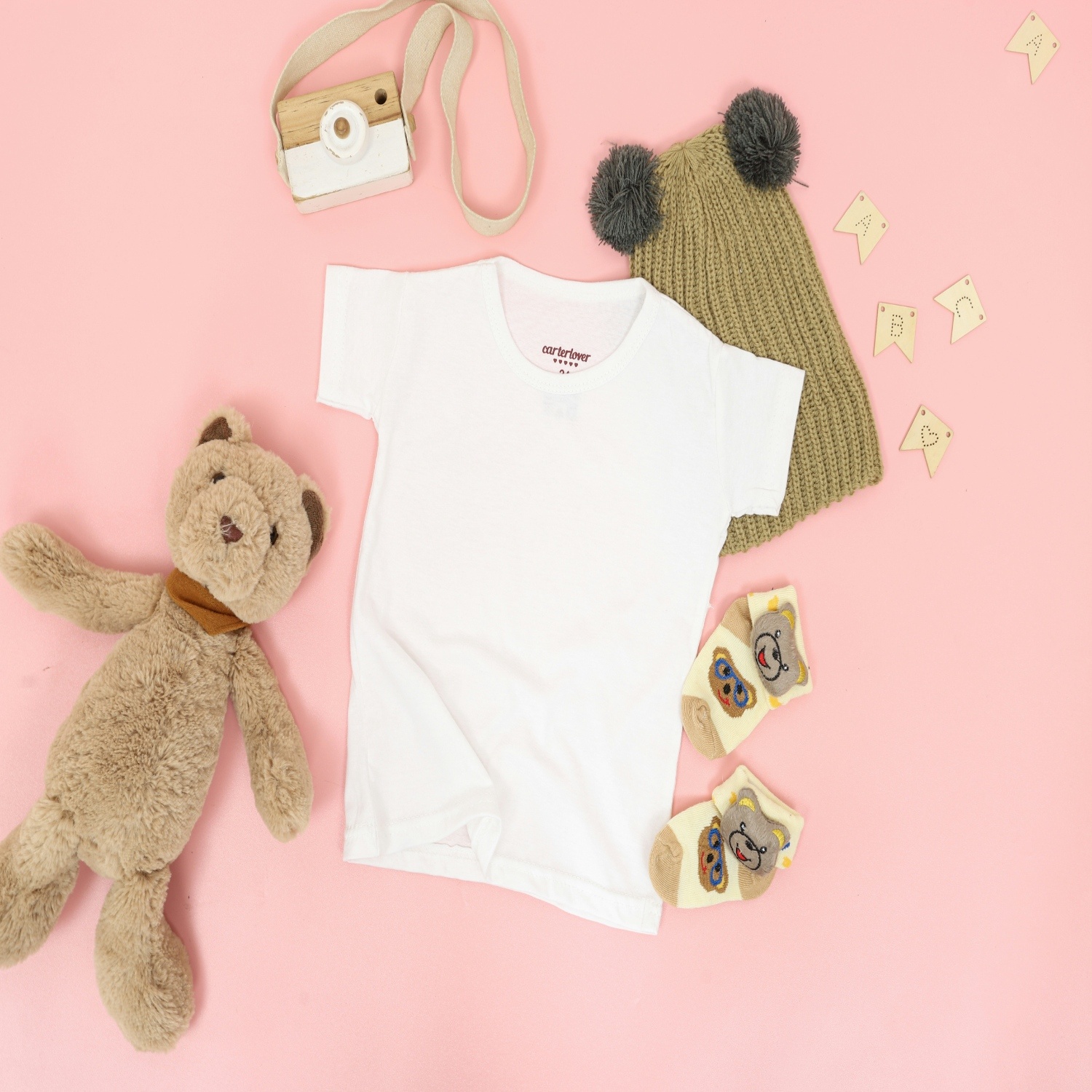
Choosing 3 month onesies for your growing baby can feel overwhelming, especially during those early months filled with daily changes, big emotions, and endless advice. Clothing needs for newborns seem simple at first, but as babies grow and adapt, parents quickly learn that not all onesies are created equal. Thoughtful choices in these first layers help support comfort, safety, and ease for both caregivers and little ones. Here’s what modern parents need to know about finding the right 3 month onesies for comfort, growth, and everyday life.
Why 3 month onesies are a newborn essential
New parents often face a whirlwind of decisions, from feeding routines to sleep schedules—and baby clothing is no exception. The transition between newborn and infant stages happens fast, making the “0 3 month onesie” a true wardrobe workhorse. These onesies form a bridge between tiny first outfits and the next milestone in your baby’s growth.
Babies at this age encounter frequent outfit changes due to spit-up, blowouts, and those adorable growth spurts. Sensitive skin adds another layer of complexity, while fluctuating weather and household temperatures call for easy layering. Standard sizing guides from trusted brands like Carter’s and Little Me show that 3–6 month onesies often overlap with “0 3 month” sizes, providing essential flexibility for growth spurts and chubby thighs. Pediatricians also highlight the importance of well-fitted clothing in protecting delicate skin, helping your baby sleep better, and giving caregivers one less thing to worry about in the daily routine.
What features truly matter in 3 month onesies
Soft, safe fabrics for sensitive skin
Babies live in their onesies. This makes fabric choice one of the most important decisions parents face. Regular cotton is gentle, breathable, and easy to wash, while organic cotton offers additional peace of mind for sensitive skin, minimizing exposure to harsh chemicals and dyes. Reputable sources such as The Bump and Carter’s recommend opting for certified organic cotton or bamboo blends if your baby has extra-sensitive skin or allergies.
Breathable fabrics help regulate body temperature, while moisture-wicking qualities keep your baby dry and comfortable. According to the American Academy of Pediatrics, lightweight cotton is ideal for warm months, while thicker options add comfort during colder seasons. Avoid synthetic blends for everyday wear unless recommended for durability or climate needs.
Closures, necklines, and practical design
Every change counts—especially at midnight. Snap closures are the gold standard for easy diaper changes. Envelope or lap necks allow the garment to slide down the body, reducing messy over-the-head changes. Zippers are sometimes favored for their speed, though they can feel bulky on small frames or when layering. Magnetic closures are starting to appear on the market, but most 3 month onesies still feature snaps or zippers as standard.
Careful design saves time and reduces stress. Look for flexible neck openings, reinforced seams, and closures that withstand frequent washing. These details make daily life with a young infant calmer and less messy.
Getting the right fit for growth and comfort
Sizing can be tricky. Brands label onesies as “0 3 month,” “3 6 month,” or even higher, but fit varies widely. Checking size charts, reading real-parent reviews, and measuring your baby’s weight and length ensures the best chance of a comfortable fit.
The Consumer Product Safety Commission (CPSC) recommends that baby clothes fit snugly but not tightly for safety—loosely fitting garments can pose hazards. Parents often get frustrated with inconsistent sizing, but trying onesies before removing tags can help avoid returns or exchanges. When in doubt, choosing a slightly larger size allows room for growth and easy layering without sacrificing safety.
Prioritizing safety in everyday wear
With so many adorable options available, it’s easy to overlook the essentials. Stick to onesies with no loose ribbons, buttons, or decorative pieces that could come loose. Flat seams and secure closures minimize irritation and reduce choking risks. Always look for proper flame-retardant labeling, especially in sleepwear, as recommended by the American Academy of Pediatrics and the CPSC.
Parents can rest assured that choosing simple, well-made designs supports both comfort and safety—no need to choose one over the other.
Current trends in 3 month onesies
A shift toward organic, sustainable, and gender-neutral
Modern families are increasingly seeking out organic cotton, sustainable production methods, and gender-neutral color palettes when buying baby clothes. The benefits are clear—organic options protect baby skin, reusable basics save on costs for siblings or future children, and gender-neutral styles are versatile for passes between families or friends.
Minimalist, well-made basics are more popular than ever, replacing ornate, single-use outfits. This focus helps support both budget-conscious and eco-friendly parenting, giving parents permission to invest in fewer, better pieces.
Seasonal needs and layering strategies
Onesie styles vary to suit changing seasons and environments. Short-sleeved, long-sleeved, and footed 3 month onesies all play a role depending on the time of year and whether your home runs warm or cool. Layering is often the “secret weapon” of seasoned parents—combining a lightweight onesie with a swaddle, sleep sack, or cardigan makes it easy to adjust your baby’s comfort level on the go.
For families traveling between climates or dealing with unpredictable weather, packing a mix of onesie styles ensures flexibility through any growth spurt or temperature swing.
How many 3 month onesies do you really need
Making sense of spit-ups, blowouts, and laundry cycles
It’s normal for a 3 month old to need several outfit changes every day. The cycle of spit-ups, drool, and surprise diaper blowouts makes quick clothing changes a fact of life. Practical numbers, backed by pediatricians and guides such as The Bump, suggest having 6–8 short-sleeve 3 month onesies for summer and 4–6 long-sleeve options for layering or chillier climates.
Different households will require different amounts: daycare, rural living, or city apartments with busy laundry schedules all have unique needs. First-time parents might need more changes on hand, while those with older children often streamline their baby wardrobes.
Multipacks, single pieces, and buying ahead
Multi-packs offer value and ensure multiple clean options, but buying too many in small sizes can lead to waste. Consider individual pieces if you want specific features or prints. Transitioning from 0 3 month onesies to 3 6 month onesies happens quickly, so avoid stockpiling and lean into secondhand or hand-me-down options for both budget and sustainability reasons. Regularly reassess as your baby grows, adapting your collection to their evolving needs.
Common pitfalls and how to avoid them
Overbuying or preparing for perfection
It’s easy to feel pressure to outfit your baby perfectly or anticipate every need. In reality, preferences will shift after your baby arrives—many families discover favorite brands or features only with experience.
Give yourself permission to have “just enough,” stay open to exchanges, and accept help from hand-me-down networks. Most babies thrive with far fewer outfits than first imagined.
Choosing looks over safety or comfort
Those picture-perfect outfits often come with unnecessary complications. Ruffles, rough seams, or tight fits can lead to skin irritation, sleep disruptions, or safety risks. True “cuteness” comes with comfort and ease—for both baby and caregiver. It’s okay to step away from designer or themed onesies in favor of a calmer, happier daily routine.
Missing the importance of ease-of-change features
Daily life with a 3 month old is smoother when onesies are designed for quick, fuss-free changes. Wide neck openings, stretchy fabrics, and practical snaps mean less struggle during late-night changes or on-the-go messes. Test materials and closures before committing to large quantities, ensuring every choice supports those everyday parenting moments.
Building confidence in your choices as a parent
There is no perfect onesie—only the ones that work for your baby and your family. Most parents find confidence through small, iterative choices, learning as they go. Whether you favor organic fabrics, value easy snaps, or prioritize secondhand finds, know that each thoughtful decision adds up over time.
Ultimately, comfort, safety, and love are what your baby needs most. By responding with care and staying open to adjustments, you’ll find the rhythm that feels right for your family—onesie by onesie, moment by moment.