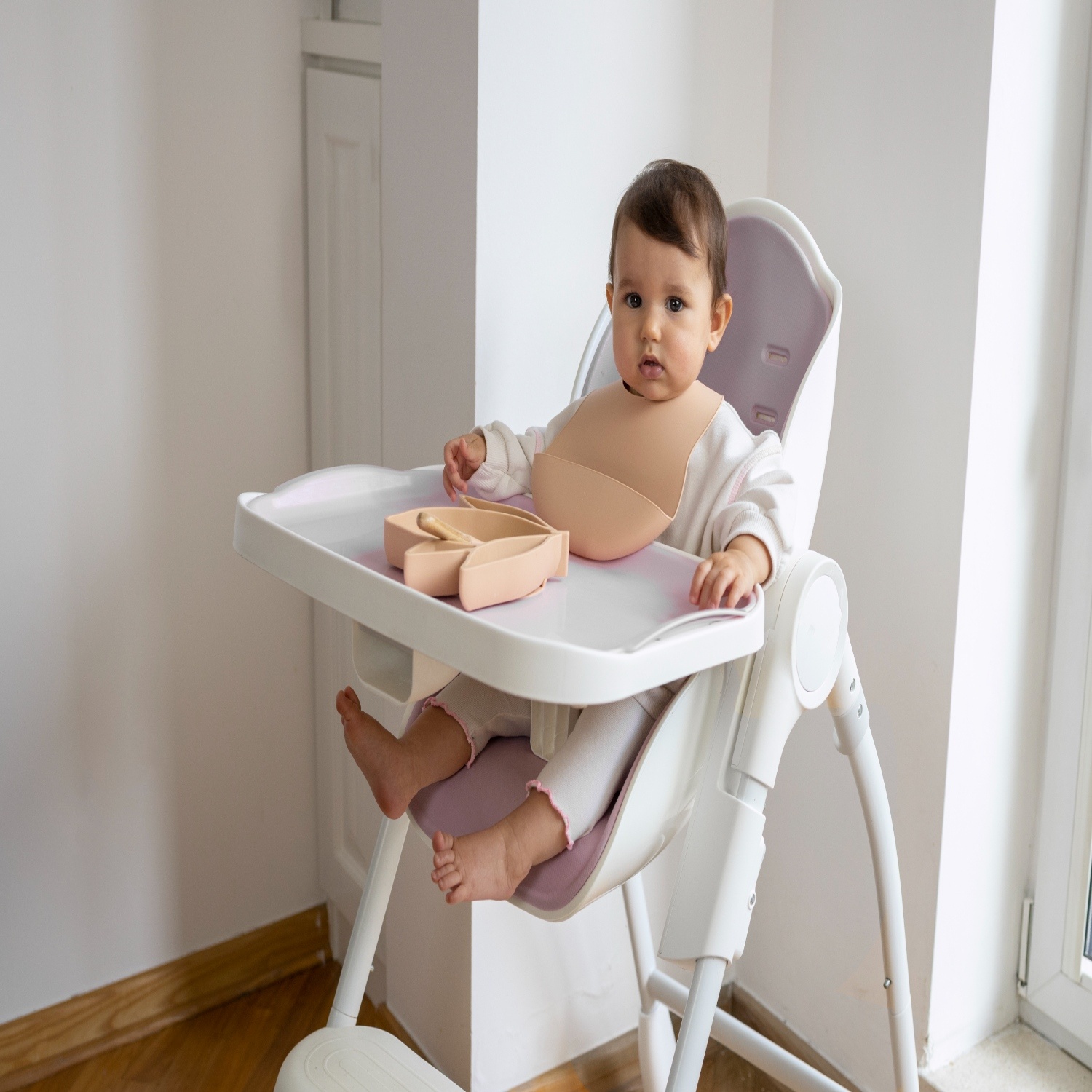
Finding the right feeding approach for your eight month old can feel both joyful and overwhelming. At this age, babies are exploring the world through food, developing new skills, and discovering tastes alongside their families. Parents often wonder about the best schedules, portion sizes, and how to support healthy eating habits — while also caring for their own wellbeing. Here, The Parent Chapter walks through a gentle, research-backed approach to eight month old feeding routines and meal ideas, crafted to help you trust your instincts and nourish your child with confidence.
What babies need at 8 months: A foundation for healthy growth
Parenting an eight month old means navigating new milestones every day. Mealtimes become about more than nutrition; they’re a place for connection and exploration. At this stage, most babies need around 750 to 900 calories daily, though small variations are entirely normal. Breast milk or formula remains the primary source of nutrition — and the answer to “how much should an 8 month old eat” is as much as they need to grow and thrive, trusting their cues.
Guidelines suggest that babies typically require 24 to 32 ounces of milk per day, making the question “how much milk should a baby drink 8 months” a common one. Solids are now part of most routines but serve mainly as a complement, supporting the development of the brain, immune system, and healthy eating patterns. Every eight month old feeding routine is unique: some little ones are eager for more solids, while others take their time. Both are completely normal.
Balancing milk feeds and solids: Answering how much and how often
Worrying about “how much formula for 8 month old” or “how many oz should a 8 month old drink” is part of many parents’ experiences. Current research — and most pediatricians — recommend 24 to 32 ounces of breast milk or formula across three or four milk feeds per day, often paired with 3 meals and 2 snacks as solids become more accepted. This offers a flexible framework rather than a strict formula feeding guide.
For breastfed babies, an 8 month old breastfeeding schedule usually means nursing every 3 to 4 hours, adjusting to naps and hunger cues. Formula-fed little ones might have a similar rhythm but differ in bottle volumes. You might use a bottle feeding chart to track typical feeds — but numbers are only a starting point. Milk feeds should still take priority, with solid food sessions offered in between or after.
So, when considering “how much food should a 8 month old be eating,” the goal is variety and exposure, not volume. Small spoonfuls of vegetables, finger foods the size of your pinky, or a quarter of a banana make suitable starting points. Appetite can range daily—babies may love breakfast one day and ignore lunch the next. These patterns support both optimal nutrition and relaxed mealtimes.
Sample 8 month old feeding schedule
Each family’s day looks different, but seeing an “8 month old food schedule” can help visualize balance. Below are flexible routines — designed to adapt to your child’s cues, naps, and play:
- 7:00am: Wake and milk feed (nursing or 6–8 oz formula/breastmilk)
- 8:00am: Breakfast solids (baby oatmeal, fruit puree, or soft avocado slices)
- 11:00am: Milk feed (nursing or 6–8 oz)
- 12:00pm: Lunch solids (steamed vegetables, small pasta, soft cheese)
- 3:00pm: Snack (mashed fruit, yogurt, soft cooked veggies)
- 4:00pm: Milk feed
- 6:00pm: Dinner solids (scrambled egg, flaked fish, tender chicken, or lentils)
- 7:00pm: Bedtime milk feed
A nursing schedule for 8 month old babies may include similar timings; simply substitute bottles for feeds at the breast. These routines are guides — it’s natural to adjust for naps, family mealtimes, or individual hunger patterns. For more on routines, see HealthyChildren.org.
Responsive feeding: Tuning into hunger and fullness cues
Responsive feeding is about observing and respecting your baby’s signals. Recognizing cues such as leaning forward, opening the mouth, or making happy sounds lets you know they’re hungry. Turning away, closing the lips, or pushing food aside signals fullness. This approach helps parents move beyond a fixed “how often should 8 month old eat” question, and instead builds a positive relationship with food.
Babies’ appetites might change with teething, a growth spurt, or feeling unwell. A little less or more on certain days is not a sign that something is wrong. Gentle, responsive routines set the stage for lifelong trust in hunger and fullness cues — and for babies learning to enjoy eating alongside their families.
Textures, self-feeding, and family mealtimes: Nurturing skills and connection
At eight months, mealtime is about learning too. Transitioning from purees to soft table foods — like ripe pieces of pear, steamed carrots, or strips of toast — encourages self-feeding and confidence. Concerns about gagging or choking are common but remember, gagging is a protective reflex. Always stay close, offer safe, soft foods, and avoid hard nuts or anything that could be a choking risk.
Many families explore baby-led weaning, offering whole foods babies can grip and chew themselves. Examples are roasted sweet potato fingers, scrambled egg, or soft-cooked broccoli. Sharing meals at the family table lets babies observe, mimic, and connect socially — fostering both skills and a sense of belonging.
When wondering “how to feed an eight month old,” gently introduce common allergens like peanut, egg, or yogurt (if appropriate and after consulting your healthcare provider). Solid Starts offers further guidance on safe food prep and allergen introduction: Solid Starts.
Making meals easier: Tips for handling mess and refusal
Messy meals are both normal and healthy. A wipe-clean bib, a sturdy high chair, and patience (for parents and babies) help keep things light. If your eight month old refuses a food, try again another day; food rejection is part of learning. Frame splatters and spills as milestones of independence, not mistakes. Need more meal ideas? The NHS provides simple, age-appropriate inspiration: NHS solid food advice.
Common feeding challenges and gentle solutions
Picky eating, slow acceptance of new foods, or resisting the bottle are all common for eight month olds. If your baby wants less milk or solids, check for teething, illness, or changes in routine. Offer a favorite food or adjust texture for comfort. When introducing allergens, go slow and monitor reactions, but know that most babies adjust well.
Occasionally, a feeding issue points to something more: signs like poor weight gain, fewer wet diapers, or true distress at mealtimes warrant a prompt check-in with your healthcare provider. When in doubt, the infant formula feeding guide and your local health clinic can offer further guidance and support.
“It’s completely normal for babies to have off days,” reassures many feeding specialists. “Trust consistency, but also trust your child.”
Practical meal and snack ideas for 8 month olds
When considering what to feed an eight month old, look for a range of textures, flavors, and food groups. Here are some ideas to get you started:
- Oatmeal with soft mashed berries
- Steamed carrot or zucchini sticks
- Tofu cubes or flaky salmon (make sure all bones are removed)
- Cottage cheese or full-fat plain yogurt
- Mashed beans, lentils, or hummus
- Small slices of banana, pear, or ripe peach
- Egg strips, well-cooked and soft
- Soft-cooked pasta or rice
- Nut butters, thinned, spread thinly on toast
These can be adapted to suit your family’s tastes and traditions. For more diverse and evidence-based recipes, explore the CDC infant nutrition page.
Supporting parents through the feeding journey
The path through 8 month old feeding schedules and mealtime routines brings as many questions as it does joyful discoveries. It’s natural to feel uncertain at times, yet your love, responsiveness, and willingness to learn are the greatest gifts you can give your child. Seek evidence-based support, lean on other parents for encouragement, and allow yourself grace through the ups and downs.
If you ever have questions, reputable sources such as the AAP, NHS, and CDC offer ongoing guidance. Remember: your instincts, care, and presence are what your baby needs most. Let feeding be a time of trust, connection, and discovery — for both of you.