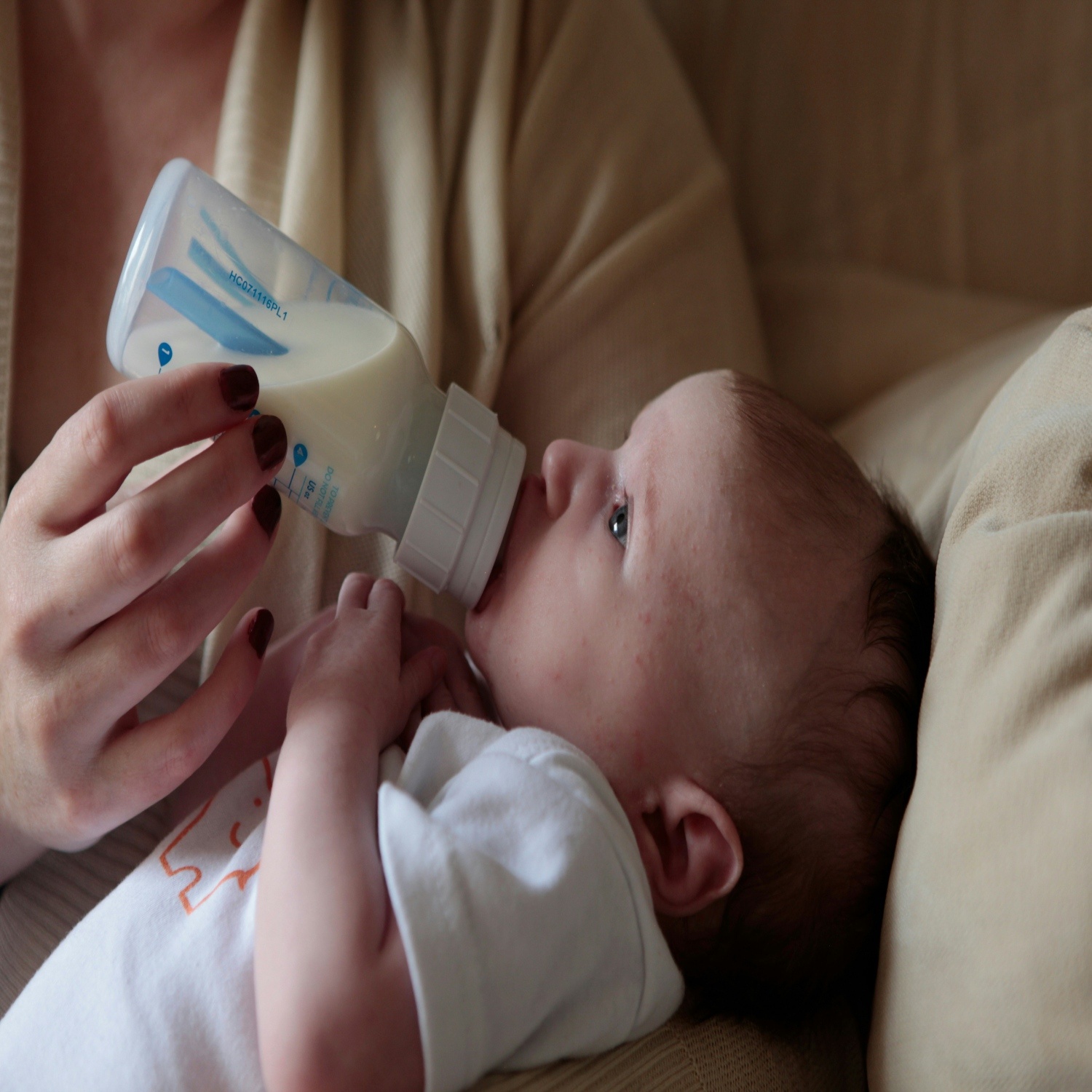
For families welcoming a newborn—especially one with unique feeding needs—choosing the right bottle feels both deeply practical and richly emotional. The earliest days are full of delicate care, and the tools you use can cultivate comfort, safety, and confidence. This guide explores everything parents need to know about selecting a 2 oz feeding bottle, from medical necessity to emerging trends, always with a calming, evidence-based approach.
What is a 2 oz feeding bottle and who needs it
A 2 oz feeding bottle is a smaller-sized baby bottle designed for newborns, especially those in their first days or weeks of life. These bottles cater to babies with very small tummies—such as preemies or infants with lower birth weight. Using a 2 oz feeding bottle empowers caregivers to deliver appropriate volumes, which aligns with pediatric recommendations for safe newborn feeding.
For families navigating the needs of premature babies or those facing early feeding struggles, these bottles offer more than accuracy; they deliver the reassurance that comes from responding gently to a baby’s cues. The right size can be a quiet source of trust—for both parents and the tiniest eaters—at a vulnerable start. Choosing the correct bottle size is never about restriction, but about honoring each child’s natural rhythm and growth.
Why small bottle size matters for newborn health
Feeding precision and the risks of overfeeding
Medical experts—including the American Academy of Pediatrics—stress the importance of controlled, accurate milk intake for newborns. New babies have very limited stomach capacity. A 2 oz feeding bottle encourages small, manageable amounts and minimizes the risks of overfeeding, spitting up, and digestive distress. Precise volumes help avoid missed hunger or fullness cues and make tracking intake simpler for caregivers—or medical staff monitoring growth.
Misjudging amounts, even with the best intentions, is easy in the early days. By using a bottle sized for a newborn’s needs, parents can feel more confident. Every feed becomes a chance to tune in, protect developing tummies, and reduce waste. For many, this means less anxiety and greater peace of mind at each feed.
Key features and innovations in 2 oz baby bottles
Safe materials BPA-free, glass, silicone, and hybrids
Material choice is fundamental in a 2 oz feeding bottle. Today’s families can select from BPA-free plastics, glass, food-grade silicone, and hybrid bottles that combine several elements. BPA-free bottles are considered safe for infants and are lightweight. Glass is non-toxic, durable, and easy to sterilize but may feel heavy or fragile. Silicone offers flexibility and comfort, while hybrid models like the Chicco Duo Hybrid provide both strength and a gentle feeding experience.
When considering material, think about both safety and sustainability. Eco-friendly, reusable materials support both your individual child’s health and larger environmental goals. For families who value durability and easy cleaning, these innovations offer reassuring peace of mind.
Anti-colic technology and comfort-enhancing designs
Modern 2 oz feeding bottles often feature advanced venting systems and carefully shaped nipples. These designs help prevent air swallowing, gas, and colic—common sources of discomfort in the early weeks. Pediatric experts agree that responsive, ergonomic nipples encourage a proper latch and mimic breastfeeding flow, offering comfort to sensitive or premature babies. Parents seeking anti-colic features are honoring their baby’s need for calm, gentle feeds and are wise to prioritize these upgrades when possible.
Ease of use, cleaning, and long-term durability
The daily reality with 2 oz baby bottles is about practicality. Wide-neck bottles allow for easier cleaning and filling, reducing stress and time spent between feeds. Dishwasher-safe designs support busy routines, while break-resistant materials reduce worry about longevity. Many parents experiment, learning by trial and error which designs best fit their life. It is entirely normal to adjust your bottle collection as your baby grows and as your needs evolve.
Meeting real-life parenting challenges with 2 oz feeding bottles
Supporting premature babies and small eaters
Caring for premies or babies who struggle to eat is a journey marked by both love and vulnerability. Using a 2 oz feeding bottle can make each feed feel more manageable, aligning with medical staff guidance and gentle developmental practice. Peer groups and hospital staff often recommend these bottles for precise, careful feeding. These choices are not just technical—they represent hope and resilience for families easing their babies through early challenges.
Reducing waste and making every feed count
Pumping or preparing formula can be emotional labor, and few things frustrate parents more than wasted meals. Smaller bottles mean less leftover milk or formula, especially when appetite is unpredictable. A 2 oz feeding bottle helps ensure that every drop truly matters, reducing guilt about waste and making each feed intentional.
Compatibility and convenience for busy caregivers
Daily life with a newborn is a blend of unpredictability and routine. 2 oz baby bottles often fit seamlessly into common sterilizing systems and work with a range of nipples or feeding accessories. For parents who need reliability and access, many trusted brands offer replacement parts online, and e-commerce means resupply is quick. Good bottles support—not burden—the real lives of caregivers, especially when sleep is scarce and time is precious.
Trends shaping the 2 oz baby bottle market in 2025
Sustainability and safer eco-friendly materials
In 2025, parents continue to look for bottles that combine toxin-free, reusable, and biodegradable qualities. The movement toward eco-friendly bottles stems from greater environmental awareness—parents want what’s best for their baby and for the world they’ll inherit. There is no single right way to approach sustainability. Every step, from choosing glass to supporting recycling, reflects mindful parenting without pressure or judgment.
How online communities shape bottle choices
Today’s parents often turn to social media groups, e-commerce reviews, and parenting forums for support and recommendations. These community spaces bring diverse voices together, letting caregivers share honest experiences with 2 oz feeding bottles. While collective wisdom can be invaluable, making the best decision often comes from balancing peer advice with your unique family needs and instincts.
Premium and hybrid bottles for health-conscious families
Innovation continues, with brands introducing hybrid bottles that blend the best properties of glass, silicone, and plastic. Many health-conscious families seek products that align with values of wellness, safety, and earth-friendliness. These premium options offer thoughtful designs, longevity, and comfort, yet the ultimate goal remains the same—finding what works best for your baby and your parenting journey.
Expert-backed tips for choosing and using a 2 oz feeding bottle
Making the right bottle choice for your baby
When selecting a 2 oz feeding bottle, consider material (such as BPA-free or glass), the nipple shape and flow, anti-colic features, and how easy the bottle is to clean. Trust your instincts and be willing to try different options; what works for one baby may not work for another. Finding your bottle “fit” is an act of care, not competition.
Caring for bottles safety longevity and when to replace
Ensure bottles are washed and sterilized regularly, following manufacturer guidelines. Inspect for cracks, discoloration, or worn nipples, replacing parts as needed. A consistent, calm routine for bottle care keeps feeding safe and helps bottles last longer. Evidence-based routines—not fear—should guide your bottle maintenance habits.
Supporting breastfeeding alongside bottle feeding
For many families, 2 oz feeding bottles are an important tool in combination feeding. Lactation consultants often encourage pacing bottle feeds and using slow-flow nipples to complement breastfeeding efforts. Whether supplementing or moving between breast and bottle, caregivers can achieve balance using responsive, gentle methods that prioritize both nourishment and bonding.
Resources for parents choosing safe, sustainable baby bottles
Parents seeking trusted information on baby feeding can explore respected resources. La Leche League International offers evidence-based breastfeeding support and feeding guidance. The American Academy of Pediatrics, via HealthyChildren.org, provides up-to-date advice on bottle choice and feeding safety. Many online parenting communities add real-world insight and solidarity, helping families feel connected and informed at every stage.
Whichever path you choose, selecting a 2 oz feeding bottle is an act of care and thoughtfulness. Guided by both evidence and empathy, parents can make decisions that honor their child’s unique needs and the values they hold dear.