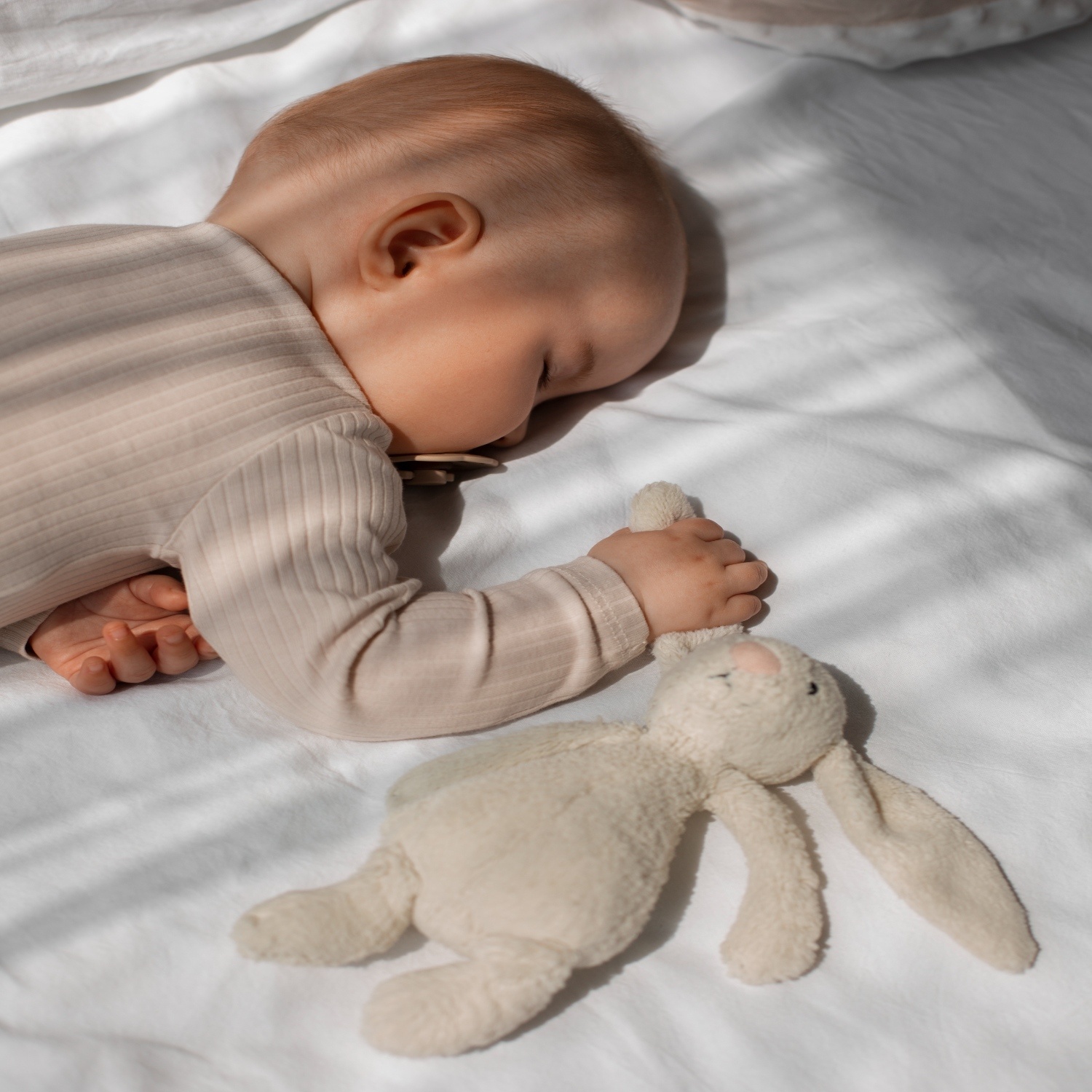
What is the 10 month sleep regression
The 10 month sleep regression is a temporary phase when many babies, around ten months old, begin to experience new disruptions in their sleep patterns. If you are wondering, “Is there a 10 month sleep regression?”—the answer is yes, for many families this stage brings noticeable changes. This regression is a common, short-lived period marked by a sudden change in sleep despite previously consistent routines.
Unlike the more widely discussed sleep regressions at four or eight months, the ten month sleep regression is shaped by a unique set of developmental leaps. Babies at this age are exploring their world in new, more mobile ways, which can impact the quality and rhythm of their sleep. It’s important to remember that, while exhausting, these changes are a normal part of growing up and are not a sign of failing as a parent. Most importantly, this phase will pass with time and support.
Recognizing the signs and symptoms
There are clear signs associated with the 10 month sleep regression. Many parents report their 10 month old is waking up at night crying, or experience increased difficulty at bedtime. Typical 10 month sleep regression signs include:
- More frequent night waking or overnight crying
- Resistance to daytime naps or skipping naps altogether
- Shorter, less restful naps
- Increased fussiness or crankiness at bedtime
- Sudden changes in how easily your baby falls asleep
These symptoms can feel overwhelming and may lead to frustration or self-doubt, but they are part of the lived reality of this age. Compared to earlier regressions, you may notice a stronger connection to your baby’s new skills—like standing or crawling—along with more obvious clinginess or strong emotional needs at bedtime. Recognizing and naming these signs is the first step towards supporting your baby through this period.
The science behind the sleep disruptions
Developmental leaps and their role
The 10 month sleep regression emerges when babies are undergoing profound mental and physical growth. At ten months, many little ones are learning to crawl, pull up, or even take early steps, leading to surges in both brain activity and body movement. These milestones spark excitement and, sometimes, frustration for your baby—making it hard to settle down for sleep.
Separately, emotional development is unfolding rapidly. Babies may begin to experience separation anxiety, becoming more aware when parents leave the room or when routines change. All these elements stimulate the brain and body, interrupting what used to be easy sleep cycles. Knowing there is a “why” behind the ten month sleep regression can be reassuring, helping parents approach this time with patience and empathy.
Other contributing factors teething, illness, and routine changes
While developmental leaps are the primary cause of the 10 mo sleep regression, teething pain, minor illnesses, or temporary routine changes can contribute as well. It can be difficult to distinguish between regression-related wakefulness and sleep disruptions caused by illness. Generally, regressions accompany developmental leaps and settle on their own, whereas illness may come with specific symptoms such as fever, congestion, or excessive discomfort.
Sometimes, changes in nap routines, travel, or a shift in daily structure can spark similar behaviors. These disruptions are usually short-term and can be managed with gentle consistency. Always trust your instincts, and reach out to a healthcare professional if you are unsure whether sleep changes are due to the ten month sleep regression or another issue.
Gentle strategies that can help
Protecting bedtime and nap routines
During the 10 month old sleep regression, holding onto familiar bedtime cues and nap routines can be comforting for your baby. Consistent signals—like singing a quiet song, dimming lights, or offering a favorite cuddle cloth—help children feel secure even when their own development feels unpredictable. If your baby is transitioning from three naps to two, try to move slowly and listen to their cues, keeping routines calm and predictable.
For parents looking to create or strengthen sleep routines, our guide to nap and nighttime routines offers practical inspiration.
Flexibility with sleep windows and nap adjustments
As babies grow, their need for sleep during the day gradually shifts. The ten month sleep regression often signals readiness for longer wake periods and, eventually, fewer naps. If your child is resisting naps or taking longer to fall asleep, gently stretching wake windows by 10 to 15 minutes can help. Observe your baby for signs of sleepiness or overtiredness, adjusting nap times to support their new rhythm.
Every child will adjust to these changes at their own pace. Small, experimental changes let you find the balance that suits your unique sleeper best.
Balancing reassurance and promoting healthy sleep habits
It’s natural for your baby to seek more comfort during the 10 month sleep regression. Offering extra cuddles or soothing words at bedtime meets their emotional needs, while maintaining gentle boundaries around sleep can prevent new habits from settling in. If your little one cries out, you might pause before responding, allowing a few moments to see whether they can settle themselves.
Sample phrases could include: “I’m here for you, it’s time to rest,” or “You’re safe, and I’ll check on you soon.” Every family’s approach will differ. If persistent night wakings or severe distress continue, reaching out for support from a pediatrician or sleep expert can provide further guidance. Sometimes, a small course correction from a professional makes a big difference.
Caring for yourself through the 10 month sleep regression
The ten month sleep regression can be exhausting for parents and caregivers. Feeling tired, stressed, or uncertain is normal—this is a demanding season. Allow yourself small moments of rest whenever possible, whether it’s through a partner’s help or a family member who can step in for a nap break.
Set realistic expectations for what you can accomplish during this time and try to let go of guilt about occasional setbacks. Reach out to trusted friends or parenting communities for validation and support. For more tips on navigating sleep deprivation, our coping strategies for new parents are here to help.
When to seek expert help
Most ten month sleep regressions will resolve with time and TLC. Still, if your baby’s sleep disruption lasts more than four to six weeks, is accompanied by signs of illness, or you notice delays in development, it’s wise to consult your pediatrician or a child sleep expert. Trust your instincts—seeking help is a sign of care, not failure.
Common reasons to reach out include persistent high fevers, difficulty breathing, significant weight loss, or if sleep issues interfere with your child’s well-being or your family’s ability to cope.
Frequently asked questions about the ten month sleep regression
How long does the 10 month sleep regression last?
Most babies move through this phase in two to six weeks. Each child is different—some regressions resolve quickly, while others take more patience.
Does every baby go through the 10 month sleep regression?
Not all babies experience a noticeable regression at ten months. For those who do, the intensity varies. Many parents find this stage easier or harder than previous regressions.
How is the ten month sleep regression different from teething or illness?
While symptoms can overlap, teething often comes with drooling and gum discomfort, while illness usually brings fever or congestion. Regression is marked by sleep changes during major developmental milestones, without other signs of sickness. If you are unsure, consult your healthcare provider.
How can I know if it’s sleep regression or something else?
Look for patterns: developmental leaps, new skills, and temporary behavior changes usually point to regression. Persistent symptoms, lack of weight gain, or significant discomfort may suggest something more, in which case professional advice is key.
For a deeper dive into the science and emotional challenges of sleep regressions, visit our comprehensive guide to baby sleep regressions. For support around separation anxiety at this age, explore our resource on separation anxiety in babies.
“`