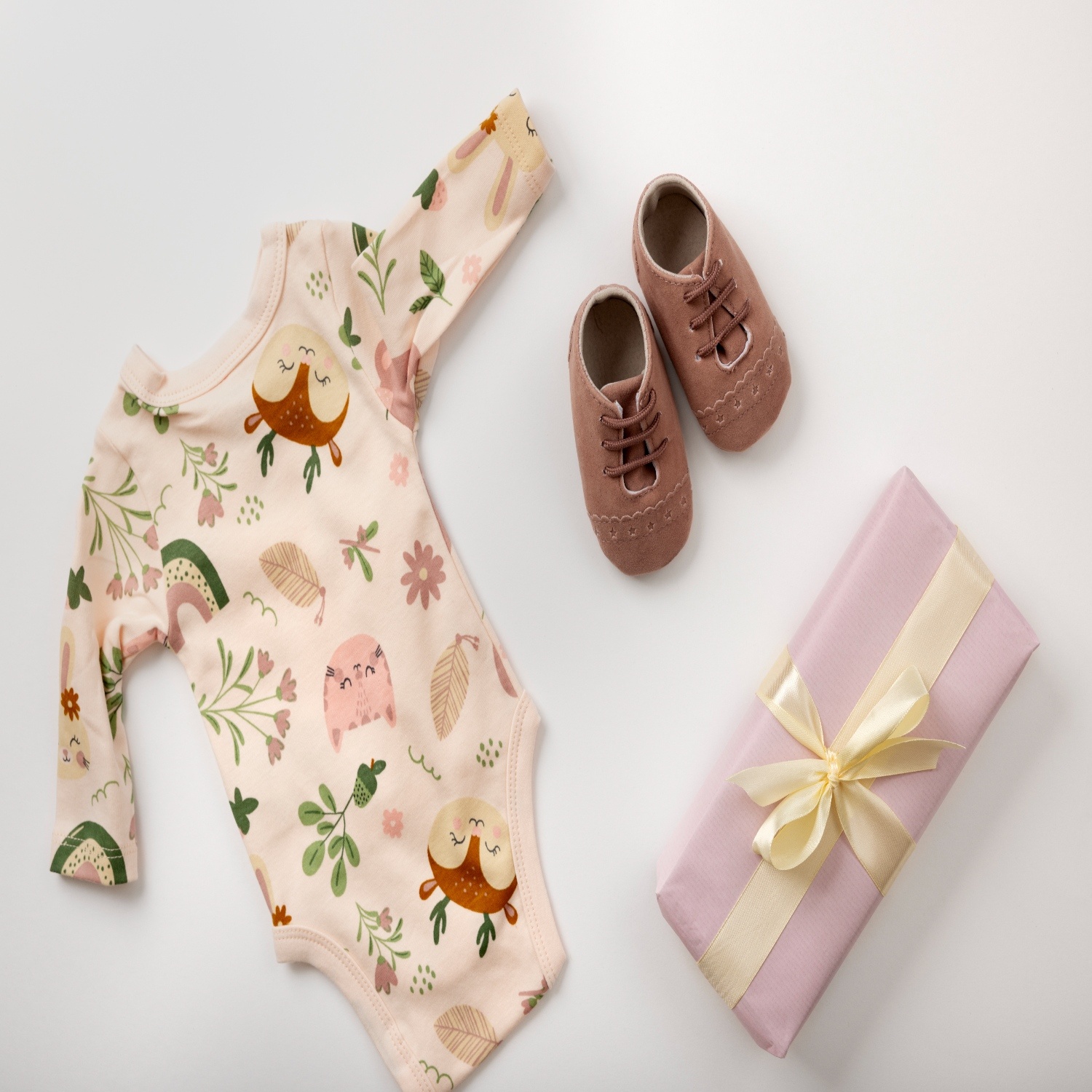
Parents know all too well how quickly toddlers grow, change, and develop their own personalities. Choosing the right clothes at 24 months isn’t just about the next size up. It’s about supporting a time of newfound independence, curiosity, and comfort. In 2025, 24 months clothes blend style, sustainability, and the practical needs of active, expressive two-year-olds—while also reflecting values important to modern families.
Why choosing the right clothes for 24-month-olds is essential
Each stage of toddlerhood brings new milestones. Around 24 months, children move fast and explore the world with both hands and feet. Clothing for this age—whether labeled as 24 months clothes, 18 24 months clothes, or even 18 month outfits—does more than cover growing bodies. It supports mobility, sensory processing, and the daily rush of activity that defines toddler life.
Children at this age need fabrics and fits that adjust to constant movement and budding self-help skills, like pulling on pants independently or unzipping a jacket. The best clothes feel soft against delicate skin and stand up to energetic play. As awareness around neurodiversity and sensory needs grows, more families look for clothing that supports all toddlers, including those who find certain fabrics or tags uncomfortable.
Top trends shaping toddler clothing in 2025
Toddler fashion continues to evolve, guided by evidence and fresh thinking around what little ones really need. In 2025, 24 months clothes and 18 24 months outfits reflect larger cultural values: earth-conscious production, inclusivity, and room for creativity.
Sustainable fabrics and planet-friendly fashion
Sustainability has become more than a trend—it’s an expectation for many families. Organic cotton, bamboo blends, and recycled fibers are finding their way into 24 months clothes in record numbers. Research points to benefits beyond the environment: these fabrics are often softer, hypoallergenic, and less likely to irritate sensitive skin. Parents appreciate knowing their choices support both their child’s comfort and a healthier planet.
Gender-neutral and inclusive styles for all toddlers
Neutral palettes, unisex designs, and inclusive sizing help ensure every child finds comfort and joy in what they wear. Gender-neutral clothes offer flexibility for hand-me-downs and cut down on waste, while inclusive cuts mean toddlers of all shapes feel free to move and play. These choices allow young children to express individuality without the limits of traditional expectations.
Seasonal fabrics, playful prints, and sentimental touches
As temperatures shift, so do fabric choices: linen and bamboo keep things cool in summer, while teddy fleece and chunky knits bring comfort in colder months. Playful prints, colors, and unique textures invite toddlers to learn and play. Personalization—like adding names or initials—creates a special bond with favorite outfits, making everyday wear more meaningful.
What makes 24 months clothes comfortable and durable
Comfort and durability sit at the heart of every parent’s wish list for toddler clothing. The differences between 18 24 months clothes and options like a 3 6 month outfit highlight how much more is needed for active, independent two-year-olds. Practical features help busy caregivers and energetic children alike.
Fabrics that support sensitive skin and active play
Fabrics should be gentle and resistant to irritation. Hypoallergenic, breathable, and easy-wash materials stand up to the spills, tumbles, and adventures of the day. It’s important to notice signs of discomfort, like redness or scratching, and reconsider any materials that might be contributing. Natural fibers such as organic cotton or bamboo are often soothing, while some synthetic fabrics may trap heat or trigger sensitivity in certain children.
Practical fit features for growing toddlers
For caregivers, elastic waistbands, secure snap closures, and stretch fabrics make life easier. Oversized or adjustable fits ensure 24 months clothes and 18 24 months clothes can grow with a child, bridging gap periods between sizes. Choosing between 18 month clothes, 18 24 months clothes, and even a 3 6 month outfit comes down to your child’s growth rate and comfort—not just the number on the label. Look for adaptability, especially in periods of quick change.
How to create a sustainable, adaptable toddler wardrobe
Building a wardrobe for a 24-month-old doesn’t need to be overwhelming. Key pieces in versatile colors and fits can be rotated through the seasons. A capsule approach allows for mix-and-match outfits, so each piece gets plenty of use. As children grow, 18-month outfits and 18 24 months outfits often transition seamlessly to bigger sizes.
Shopping local, swapping with friends, or choosing secondhand are growing trends for families looking for baby clothes nearby. This supports both environmental sustainability and the local economy, while providing affordable options for fast-growing kids.
Caring for clothes so they last
Gentle, eco-friendly laundry habits help preserve the quality of delicate fabrics. Wash on cold, use gentle detergents, and line-dry when possible to prevent shrinkage or wear. Repurposing outgrown items—for example, turning soft old onesies into cleaning cloths—can extend a garment’s life and reduce waste.
Making the most of hand-me-downs and gender-neutral pieces
Hand-me-downs remain a practical, sustainable option for many families, especially when clothes are built to last. Choosing gender-neutral pieces maximizes flexibility across siblings or friends and supports a more inclusive approach to dressing. There’s no right or wrong way—prioritize what works for your family’s needs and values.
Reflecting modern parenting values through children’s clothes
Dressing a toddler is about more than color or style. It’s an expression of care—for your child’s comfort, your family’s values, and, increasingly, for the planet as a whole. Whether you choose sustainable fabrics, playful prints, or gender-neutral cuts, your choices reflect a new era of thoughtful parenting. The most important thing is finding clothes that help your child move, explore, and express themselves—while feeling safe and seen every day.
Frequently asked questions about 24 months clothes for toddlers
What size are 24 months clothes compared to 18 24 months clothes?
24 months clothes are typically designed for children who are nearing or just turning two, while “18 24 months clothes” provide a wider sizing range that accommodates growth between 18 and 24 months. The fit may vary by brand, so check measurements and consider your child’s build and activity level.
Which fabrics are best for toddlers with sensitive skin?
Organic cotton, bamboo, and modal are favored for soft, breathable, and hypoallergenic properties. Avoid rough seams, harsh dyes, or polyester blends if your child has shown sensitivity. Always wash new clothes before use.
Can I use hand-me-downs or gender-neutral clothes for toddlers?
Absolutely. Hand-me-downs and gender-neutral clothes help extend the life of each piece and simplify wardrobe planning for siblings or friends. These choices are practical, budget-friendly, and environmentally responsible.
How many outfits should a 24-month-old have?
Most families find that having 7–10 comfortable, durable outfits covers everyday needs, plus a few extra for special occasions or backup. Factor in how often you do laundry and your child’s preferences for certain textures or styles.
What’s the difference between 24 months clothes and 2T?
24 months clothes usually offer a little more room for diapers and are cut for rounder toddler proportions. 2T sizes can be slimmer, made for newly potty-trained children. Always try items on when possible, and choose based on comfort and fit rather than label alone.
The journey to finding the best clothes for your 24-month-old blends practical wisdom with care for your child’s comfort and self-expression. Whether searching for “baby clothes nearby,” building a capsule wardrobe, or exploring sustainable options, modern parents are making thoughtful decisions guided by both love and learning. Every outfit becomes a small act of support as your child grows into their world.