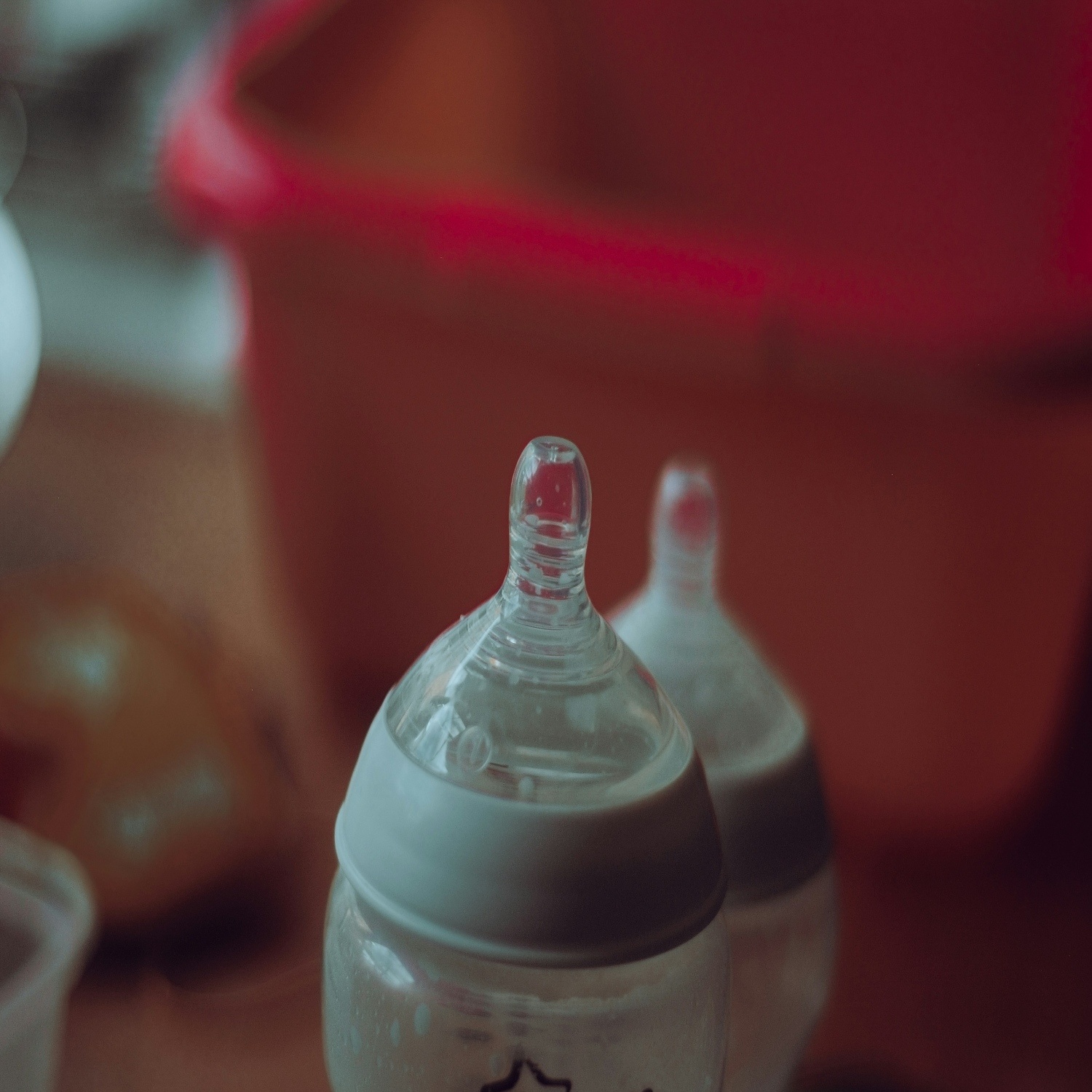
Choosing the right feeding tools is a journey for every modern family. With baby bottle variety packs now at the forefront of infant care, parents can navigate the ups and downs of bottle feeding with greater confidence and ease. This guide explores how the latest bottle kits, samplers, and feeding solutions support real-life parenting in 2025, blending expert guidance, emotional reassurance, and trusted research for your peace of mind.
How baby bottle variety packs simplify feeding for families
Bottle feeding presents unique challenges, whether you’re supplementing breastfeeding, transitioning between the two, or exclusively using bottles. Many parents face familiar moments: your baby suddenly rejects a favorite nipple, becomes gassy with certain flows, or needs to switch between feeding styles during illness or growth spurts.
The surge in popularity of baby bottle variety packs is a direct response to these everyday realities. Recent market trends highlight growing parental demand for flexible solutions. A baby bottle sample pack or newborn bottle kit allows families to try different materials, nipple shapes, and sizes without overcommitting—helping your baby (and you) adapt smoothly as preferences change.
Instead of purchasing and stockpiling bottles that may not work, variety packs provide choice, reduce waste, and make the feeding process less overwhelming. They support both confidence and calm, ensuring you’re prepared for whatever feeding moments arise.
Understanding safety and materials in baby bottle sets
Parents today are more informed than ever about what goes into their baby’s feeding bottle box. The variety of materials—glass, silicone, stainless steel, and plastic—can feel dizzying. Each has its benefits and drawbacks, and safety is always top of mind, especially regarding chemical exposures.
Comparing glass, silicone, stainless steel, and plastic
Glass bottles offer purity and are easy to fully sterilize, but require careful handling. Today’s glass options increasingly feature shatter-resistant technology for peace of mind. Silicone baby bottle sets blend flexibility, lightness, and hypoallergenic comfort, though some babies find them “squishier” during feeding. Stainless steel bottles are durable and eco-friendly, prized for their longevity, but sometimes lack clear ounce markings. Plastic remains a practical, lightweight option, but always look for BPA-free and phthalate-free designs—these standards, now widely regulated, help shield babies from potentially harmful chemicals. Modern plastic bottles often include advanced venting or anti-colic designs as well.
Hybrid bottles—combining silicone sleeves with glass or stainless cores—add extra protection, supporting busy families who need resilience as much as safety.
What makes a baby bottle set safe and how to check
The American Academy of Pediatrics (AAP) and similar expert bodies recommend choosing bottles that are BPA-free, phthalate-free, and ideally tested by third-party laboratories. Look for transparent labeling on your bottle box sampler or baby bottle sample box. “Medical-grade,” “food-grade,” and “EN-14350 certified” are reputable indicators. Scrutinize marketing claims and prioritize well-known brands or kits with visible compliance marks.
If ever in doubt, consult trusted resources like HealthyChildren.org and seek validation for any bottle set, nipple, or feeding bottle box you bring into your home.
Smart features and eco innovation in today’s bottle variety packs
Modern parents value both convenience and planet-friendly choices. Today’s baby bottle trial box or sample packs often include features designed to ease daily life—like built-in anti-colic valves for gassy tummies, temperature indicators for quick prep, and easy-mix formula hoppers for on-the-go feeds.
Leakproof lids, stackable designs, and even Bluetooth-enabled feeding trackers can help when you’re balancing pumping, daycare, illness, or travel. Every detail aims to make feeding more adaptable and less stressful, while supporting your unique routine.
Sustainability in a baby bottle trial box
Eco-conscious families will find growing options in reusable and recyclable materials—glass and silicone lead the way for durability, while some brands now offer refillable subscription packs, compostable components, and recyclable packaging. Choosing a bottle set with fewer single-use plastics, or materials that can be repurposed post-feeding, supports both your child and the environment.
If waste is a concern, opt for quality over quantity and look for bottle feeding kits that offer modular components—allowing you to refresh only what’s needed over time.
How tech features can support confident feeding
Emerging innovations—such as digital temperature sensors and feeding trackers—bring added assurance to busy routines. These tools, including anti-bacterial coatings or self-sterilizing features, help parents manage safe feeds, track patterns, and share care with partners or caregivers more easily. While not essential, they can add convenience and extra peace of mind, especially during challenging stages or when returning to work.
Choosing the right bottle set for your baby’s unique needs
Every baby is different, and no single bottle set suits all families. A baby bottle sampler or newborn bottle kit supports gentle experimentation, allowing you to discover what truly works for your child as they grow. Consider nipple flow rates, shapes that match breastfed latch, and how easily bottles clean or assemble—important for midnight feeds and hurried mornings alike.
Newborn bottle sets usually feature smaller sizes and gentler flows, while older-baby kits cater to increased appetite and developmental stages. This flexibility matters during growth spurts, teething, or changing needs.
Newborn needs vs. older baby preferences
As babies mature, nipple preference, bottle feel, and flow requirements evolve. Newborns often need slow-flow nipples and soft silicone for gentle feeding. As your child grows and their feeding skills develop, switching to faster flows, more robust materials, or new nipple shapes can help minimize frustration and maintain comfort. Trial and error is normal—trust the journey and adapt as needed.
Feeding on the go and daycare practicality
Families on the move appreciate bottle sample packs focused on real-world use. Leakproof, quick-assemble bottles and small, transport-friendly newborn bottle kits work best for travel and daycare. Choose bottle sets that are easy to clean in shared environments, and consider prepping a “to-go” bottle box sampler for busy days or emergencies.
Tips for smooth transitions and lasting success with bottle variety packs
Introducing new bottles is often a process rather than a single event. Use paced feeding, gradual warming, and involve partners or caregivers to encourage acceptance. Follow manufacturer guidelines for care and cleaning—glass and stainless steel often require special handling, while silicone and plastic can be boiled or dishwasher-washed.
When it’s time to retire bottles, repurpose or recycle where possible. Contact local recycling programs for glass and select plastics, or find creative ways to reuse non-toxic materials at home.
Many parents share stories of initial resistance—only for their baby to suddenly embrace a new bottle or nipple after a few gentle tries. Patience, flexibility, and support help create a calm, empowering feeding experience.
Supporting breastfeeding while introducing bottles
To minimize nipple confusion, lactation consultants recommend slow-flow nipples and maintaining a similar rhythm to breastfeeding (paced feeding). Introduce bottles gradually and continue to offer the breast at regular intervals, especially in the early weeks. Most importantly, remain flexible—every feeding journey is unique, and seeking professional support can be invaluable.
Cleaning, care, and sustainability reminders
For glass and stainless bottles, regular sterilization and careful inspection for chips or dents ensure lasting safety. Silicone can be both handwashed and sterilized, while select plastics benefit from top-rack dishwasher cleaning with gentle soap. When disposing, recycle materials properly, and look for bottle sample packs that prioritize reusable or compostable components.
Frequently asked questions about bottle sample packs and baby bottle kits
How do I know a baby bottle set is truly BPA-free?
Check both packaging and manufacturer websites for certifications, such as “BPA-free,” “phthalate-free,” or specific third-party lab testing. When possible, buy from reputable brands and consult the AAP’s advice on chemical safety in infant products.
What is the best cleaning method for a feeding bottle box?
Most glass, stainless, and silicone bottles are suitable for boiling or sterilization, while plastic and mixed materials may require gentle dishwashing. Always follow the care instructions provided with your baby bottle variety pack, and inspect parts regularly for signs of wear.
Are nipples in a baby bottle trial box interchangeable between bottles?
Some brands design nipples to fit multiple bottles, but compatibility isn’t guaranteed. Check size, threading, and manufacturer specifications before mixing parts. This is especially important for leak prevention and baby safety.
When should I reach out for expert feeding help?
If your baby struggles to feed, has persistent gas or discomfort, or refuses both bottle and breast, contact your pediatrician or a licensed lactation consultant. Personalized support can address feeding difficulties, allergies, or health questions.
Resources and support for your baby feeding journey
Your path through infant feeding is as individual as your baby. For trustworthy, non-commercial support, explore resources like the American Academy of Pediatrics, La Leche League International, KellyMom, and CDC guidelines. These organizations offer evidence-based guidance on bottle and breastfeeding, safe practices, and emotional encouragement through each stage of development.
Above all, trust your instincts, seek connection, and know that there’s no one “right” way—only what’s right for your family now. The Parent Chapter is here to support your choices and celebrate each feeding moment, big and small.