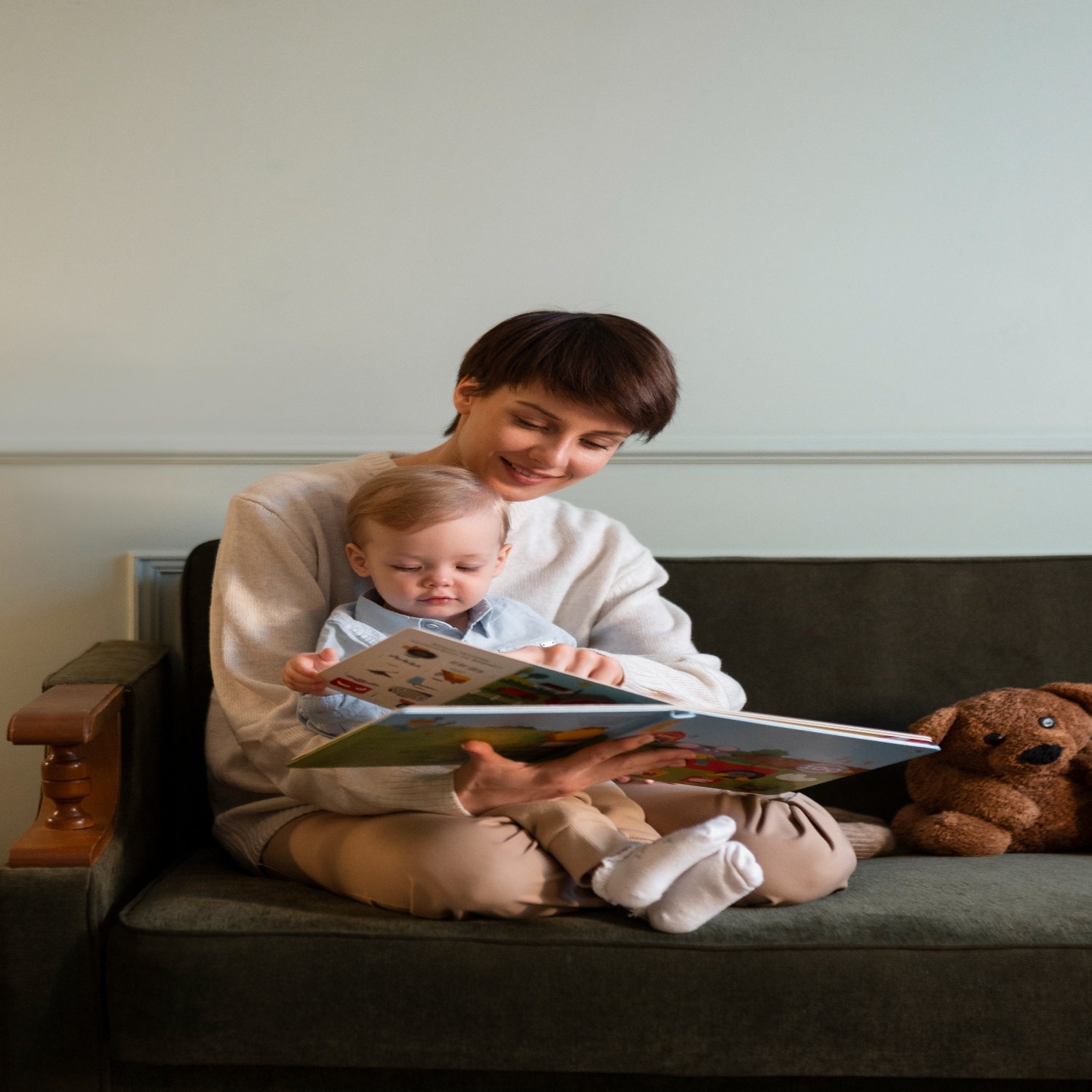
Baby books are more than bedtime companions—they are cherished building blocks for your child’s early development. As reading habits and publishing trends evolve, modern parents seek not only the best baby books for every age, but also advice rooted in real science and lived experience. This guide brings together expert recommendations and trusted parent wisdom to help you choose, buy, and read baby books with confidence, whatever your child’s stage in 2026.
How baby books nurture your infant’s development
Reading with your baby is a simple act that nurtures language development, attention span, sensory skills, and emotional closeness. Research in child development shows that even books to read to babies in the newborn stage help lay neural pathways for word recognition and social-emotional growth. Recommended books for infants often feature rhythmic language and vivid pictures, both proven to capture baby’s attention (American Academy of Pediatrics, Zero to Three).
Why reading with infants matters goes beyond early literacy. Each cuddle and shared story builds security and strengthens your bond. There is no perfect amount—every page, silly voice, or quiet moment counts. Tradition holds, and new studies agree: starting with infant books to read at any age fosters resilience and joy in your growing child.
Finding the best baby book format by age and need
Newborn to 3 months: safe and soothing
For the youngest readers, the best newborn books are sturdy, simple, and safe. Board books with high-contrast images and soft cloth books are perfect for early visual development. Good books for newborns avoid overstimulation, favoring bold shapes over intricate scenes. Picture books for newborns should use non-toxic inks and easy-clean surfaces. Babies respond most to soothing rhythms and gentle tones—choose quality over quantity.
You don’t need many. A few well-chosen, safe books—rotated often—offer all the stimulation a newborn needs. Trust that your baby is absorbing more than you know, even as they simply gaze and listen.
3 to 12 months: tactile, interactive, and social
As babies grow, their curiosity blooms. Books for infants 0–6 months transition to touch-and-feel textures and bold patterns. The best books for babies 6 to 12 months and baby story books might feature flaps, mirrors, and simple interactive elements. Books for a 3 month old also become more durable and easy for little hands to explore.
When picking interactive books, use a simple safety checklist: no loose parts, chew-safe materials, rounded edges, and washable fabrics. Reading routines at this stage support language, cognitive, and social skills. The story is secondary—what matters most is the connection and conversation you share.
1 to 3 years: simple stories and first favorite books
Toddlers delight in narrative and repetition. Books for 1 year old and classic baby books introduce characters and routines, helping toddlers make sense of their world. Infant story books and picture books for infants build vocabulary through naming and repetition. At this stage, durability matter—board books withstand eager hands, but as interest grows, introducing hardcover and paperback broadens your family library.
Rotate best baby books first year and best infant books to read to keep curiosity alive. Favorites will be demanded often—and that’s a sign of healthy engagement and learning.
Trends shaping baby books in 2026 and beyond
Interactive and digital hybrid books
Today’s top baby books sometimes blend physical and digital play. Famous baby books may now include augmented reality (AR) features, gentle soundtracks, or app companions for grownups to share with babies. These popular baby books provide new ways to interact—animations or sound clips triggered by scanning pages, or stories that blend screen and print.
What is a digital/AR hybrid book and when to use it? These books combine traditional reading with safe, supervised screen-based enrichment. They’re best used in moderation with infants, co-explored with a parent, and chosen for quality over novelty.
Look for developmentally appropriate features, and avoid passive screen time for under-twos—active engagement is key.
Diversity, representation, and mental health
Parents now seek baby books that reflect all families and early feelings. Good books for infants increasingly feature diverse cultures, skin tones, family structures, and gentle stories about emotions or differences. Representation in favorite infant books supports healthy identity formation and empathy (sources: First Book, We Need Diverse Books).
Themes like daily routines and naming big feelings are common in 2026’s best selections. If you’re searching, know there’s growing support—and that even one book celebrating your child’s world has lasting impact.
Sustainability and lasting quality
Eco-friendly baby books are on the rise, from recycled board pages to non-toxic inks and FSC-certified paper. Many picture books for infants list sustainable practices on their packaging; baby books sustainability is a growing concern for families who value environmental care.
Look for robust construction and honest publishing claims. Gentle cleaning with a damp cloth helps books last for siblings or sharing. And remember—perfect sustainability isn’t always possible. Small steps add up.
Subscriptions, secondhand options, and gifting
Alongside retail, parents are exploring best baby books subscription services—monthly deliveries tailored by age, rotating rental libraries, and secondhand shops. These models offer value, convenience, and sustainability in building a home library.
Choosing the best baby books of all time or gifting a favorite title adds meaning to celebrations. Swapping or donating gently used books extends a story’s life and brings delight to another child.
How real parents shop for and discover baby books
When and where do families shop?
Families often buy books to read to newborns around holidays, baby showers, and gift-giving seasons (Q3–Q4). Most parents discover books for newborns infants through online retailers, specialty children’s shops, and local book stores. Trusted reviews, friend recommendations, and trending lists on social media (including BookTok) guide many choices.
Tips for finding value, variety, and inspiration
You don’t have to build a library overnight. Library visits offer free access to variety; swapping with friends or requesting books as gifts helps, too. Shop during sales or in the off-season for better value, and include loved ones in finding new favorites.
Seek resources for diverse or sustainable baby books—community groups and expert lists can guide you. Sharing your own discoveries with fellow parents multiplies inspiration and support.
Building simple, joyful reading routines: recommendations and next steps
Everyday practices for reading with babies
Start with small, daily rituals. Even five minutes counts. Let babies hold (or mouth) the book, name pictures, and repeat stories often. Any routine—bedtime, snack time, or a quiet moment—can become story time.
Focus on habits rather than perfection. The best books to read to babies, infant books to read, or newborn story books do their magic with consistent, loving repetition. Recommended books for infants are simply ones you both enjoy together.
Sample book categories and titles to try
Consider building your reading collection with foundational types: first word books, touch-and-feel stories, lift-the-flap adventures, diverse family tales, and bedtime classics. Classic baby books and top infant books might include beloved titles like Brightly best baby books, but it’s the connection that matters most.
No single book is “best”—explore what resonates with your child and let their preferences lead the way.
When to consider digital and hybrid features
Digital features or hybrids can be enriching when used thoughtfully. Experts recommend reserving screen-based stories for co-viewing with your infant, avoiding passive viewing for under-twos. When chosen carefully, quality apps and AR companions can add sensory and language layers.
Are personalized baby books or digital hybrids worth it? They bring joy and novelty for some families, but are not essential. Connection and conversation remain at the heart of every reading experience.
Quick answers for common questions
Safety checklist for baby books
Look for sturdy bindings, no small or detachable parts, smooth rounded edges, and non-toxic materials. Choose books that are easy to clean. The American Academy of Pediatrics recommends regular inspection to ensure ongoing safety, especially if books are being chewed.
Mini FAQ
When to move from board to picture book?
Most toddlers are ready for paper picture books between 18–36 months, depending on interest and motor skills.
Why do babies chew books?
It’s a normal phase of oral exploration—babies learn about their world through taste and touch. Safe, chew-friendly books are designed with this in mind.
Are personalized or customized baby books beneficial?
Personalized baby books can boost engagement and make reading feel special, but what matters most is sharing stories together, in any form.
Your next step: starting, swapping, or sharing a baby book
The journey starts anywhere—add a five-minute reading session tomorrow, visit your local library, swap a toy for a new book, or ask loved ones to share their favorite infant books. Your voice and presence are what stays with your child, page after page.
We invite you to share your favorite discoveries and classic baby books in the comments. For more resources and trusted recommendations, visit our The Parent Chapter library resources.
Wherever you begin and whichever books you choose, know this: every story you share helps build a lifelong love of reading, learning, and connection.