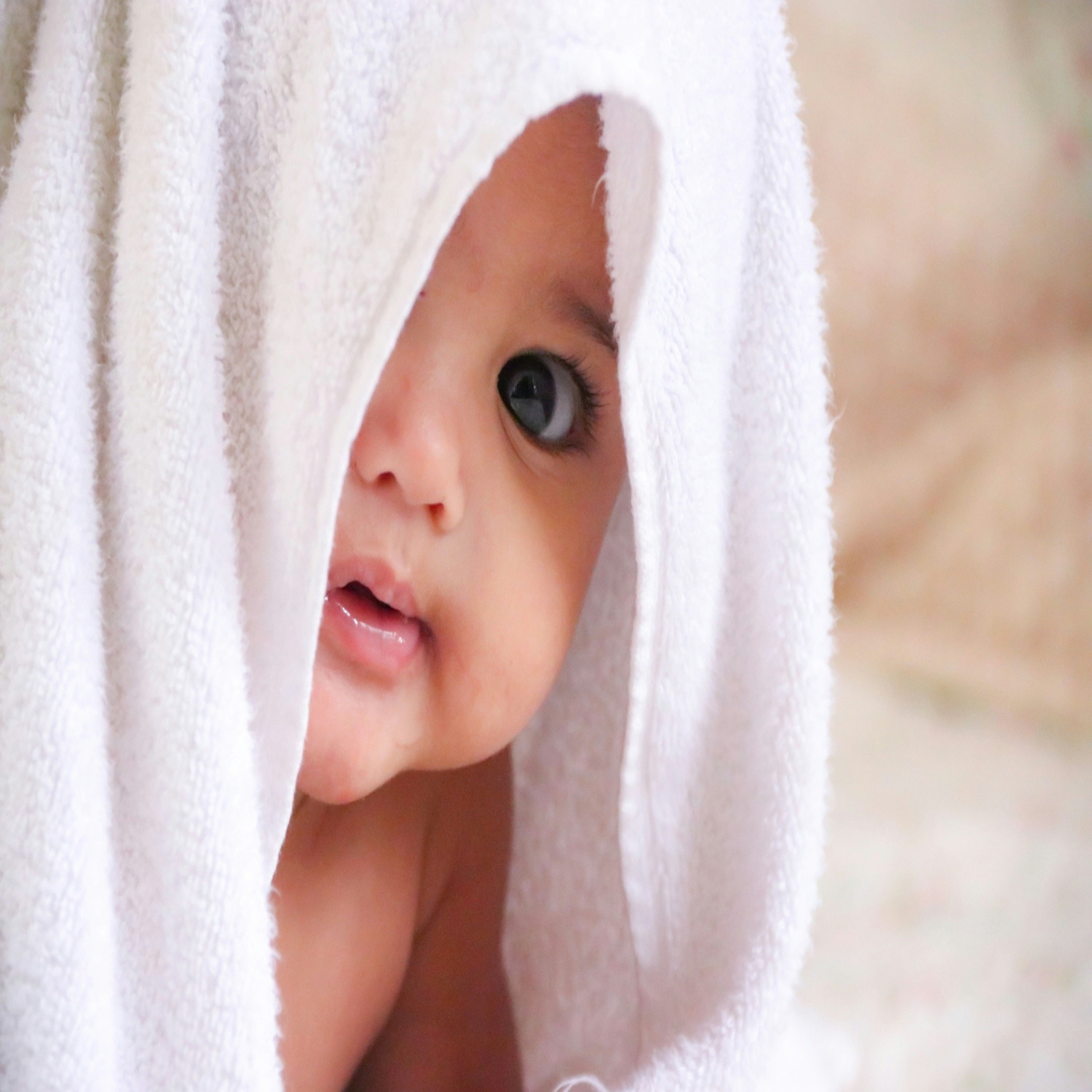
Enjoying time by the water as a family can be filled with connection, laughter, and precious memories. Choosing the right baby beach towel is part of making these moments safe, smooth, and relaxing for both parent and child. Here, we unpack what matters most—gently guiding you through comfort, care, and trends, with the clarity and warmth you expect from The Parent Chapter.
Why a baby beach towel matters for families
A dedicated baby beach towel is much more than a seasonal accessory. After a swim or splash, babies and toddlers are especially vulnerable to chills, sun exposure, and sensitive skin reactions. Wrapping your child in a towel designed just for them offers warmth, security, and a familiar comfort—turning routines like sand removal or naptime on the go into opportunities for connection and care.
For families, the right towel means fewer worries about wet car seats, sandy blankets, or clingy fabric that won’t dry. A larger towel (75×75 cm for infants, 90×120 cm for toddlers) gives enough room for restless legs, quick changes, or even a shaded snuggle. Whether your child is soothed by the feeling of fabric after a dip or simply needs a protective layer during naptime, the right size and softness matter—accommodating every age, from newborns to lively siblings.
Which fabrics keep babies comfortable and safe
The heart of the baby beach towel decision is always the material. Safe, skin-kind fabrics are essential, especially for infants and toddlers who might have extra sensitivity. Understanding options like bamboo, organic cotton, or microfiber takes the guesswork out of choosing what works for your family.
Bamboo and organic cotton options
Bamboo and organic cotton have quickly become favorites among health-conscious families. Bamboo towels are naturally hypoallergenic, silky to the touch, and absorb moisture effectively—making them a top pick for infants with eczema or easily irritated skin. The sustainable cultivation of bamboo also appeals to parents focused on minimizing environmental impact.
Organic cotton is prized for breathability and its gentle texture. Certified organic cotton (look for OEKO-TEX or GOTS) is grown without pesticides, protecting both the planet and a baby’s delicate skin. Both options are free from harsh chemicals and non-toxic dyes, lowering the risk of rashes or allergic reactions—key for any parent who has watched their child struggle with red, irritated patches after a day outside.
Sand-resistant microfiber and travel-friendly designs
Microfiber towels are practical for families who value convenience. Their lightweight structure means a compact fit in any beach bag, and they dry quickly—so you spend less time hauling around damp gear. Microfiber is also known for shedding sand easily, reducing post-outing mess.
While some parents may hesitate about synthetic fabrics, quality microfiber towels often come with safety certifications and can be safely used when laundered as recommended. Their efficiency and portability make them a practical option for travel, pools, or spontaneous backyard water fun—especially for those managing multiple children or quick changes of plans.
What’s trending in baby beach towels for 2025
This year, new styles and features are shaped by parent values and lifestyle shifts. Parents are more intentional than ever, seeking a balance of safety, sustainability, and little details that make outings easy. Social media has amped up interest in personalized towels, playful prints, and thoughtful, multifunctional accessories.
Sustainability and health-first features
Increasingly, parents are choosing products that reflect a commitment to health and the planet. Towels with organic fibers, antibacterial finishes, and clear eco-labels are gaining ground, especially for families with babies prone to allergies or sensitive skin. Market research points to a growing demand for OEKO-TEX and GOTS-certified towels, as trust in these labels reassures families about both skin safety and ethical sourcing.
Style, personalization, and multifunctional designs
Parents are looking for ways to create joy and ease. From towels shaped like animals to bold monograms and vibrant prints, personalization is more than a trend—it’s about giving each child a sense of belonging. Towels that double as play mats or picnic blankets add flexibility to everyday parenting. Social platforms and gifting culture further amplify these trends, showing how a well-chosen baby beach towel can delight both child and caregiver.
How to pick the right baby beach towel for your child
Every family’s needs are unique, and the right towel depends on a few simple but important factors. Consider size (so it covers and comforts), material (for sensitive skin, sustainability, or ease of use), and the way you plan to use it—from the ocean to the backyard. If siblings, travel, or sensory needs are in play, adaptable options or multiples can help. Let support, not perfection, be your guide.
Comparing towel sizes, ages, and uses
| Towel size | Best for | Common uses |
|---|---|---|
| 70×70 cm | Newborns, infants (up to 6 months) | Swaddling, bath time, first pool dips |
| 75×90 cm | Infants to early toddlers (6–24 months) | Beach, pool, travel naps |
| 90×120 cm | Toddlers, children (2–5 years/siblings) | Beach, family outings, backyard play |
Always check weight recommendations if your child is larger or smaller than typical for their age. Remember, it’s common for parents to experiment with different towel types until the right fit, texture, or feature matches family routines.
Parent-tested tips for stress-free beach and pool days
Every outdoor adventure comes with some unpredictability. Caring for your baby beach towel—and your baby—should feel manageable, not overwhelming. Drawing from real-world experience and science-backed advice, here are ways to keep summer moments calm and comfortable.
Sun safety and skin comfort routines
Layering an infant beach towel over sunscreen, hats, and UPF-rated swimsuits provides better protection than any single method. While a towel can shield delicate skin from sun and breeze, it’s crucial to reapply broad-spectrum sunscreen to exposed areas, especially as water or sweating can reduce its effectiveness. Look for towels labeled UPF 50+ for added peace of mind, but remember, towels complement (not replace) direct sun protection. For more detail, see our resource on summer sun safety for babies.
Washing, care, and long-lasting use
To extend the life of bamboo, cotton, and microfiber towels, shake out sand before washing and use gentle, fragrance-free detergents. Wash separately, avoid fabric softeners, and air-dry whenever possible to preserve softness. For persistent stains, spot-clean with mild soap. Our gentle laundry for sensitive baby skin guide shares sensitivity-friendly tips. Storing towels in a dry, cool place prevents odors and ensures they’re fresh and ready for your next outing.
Families with a focus on sustainability might opt for line drying and eco-friendly detergents, further reducing their environmental impact. For more ideas on safe, earth-conscious options, browse our eco-safe baby gear guide.
No towel is perfect, but a thoughtful approach—grounded in comfort, safety, and real family habits—can make every swim or shore day just a little more carefree. Here’s to fewer worries, gentler snuggles, and more fun outside together.