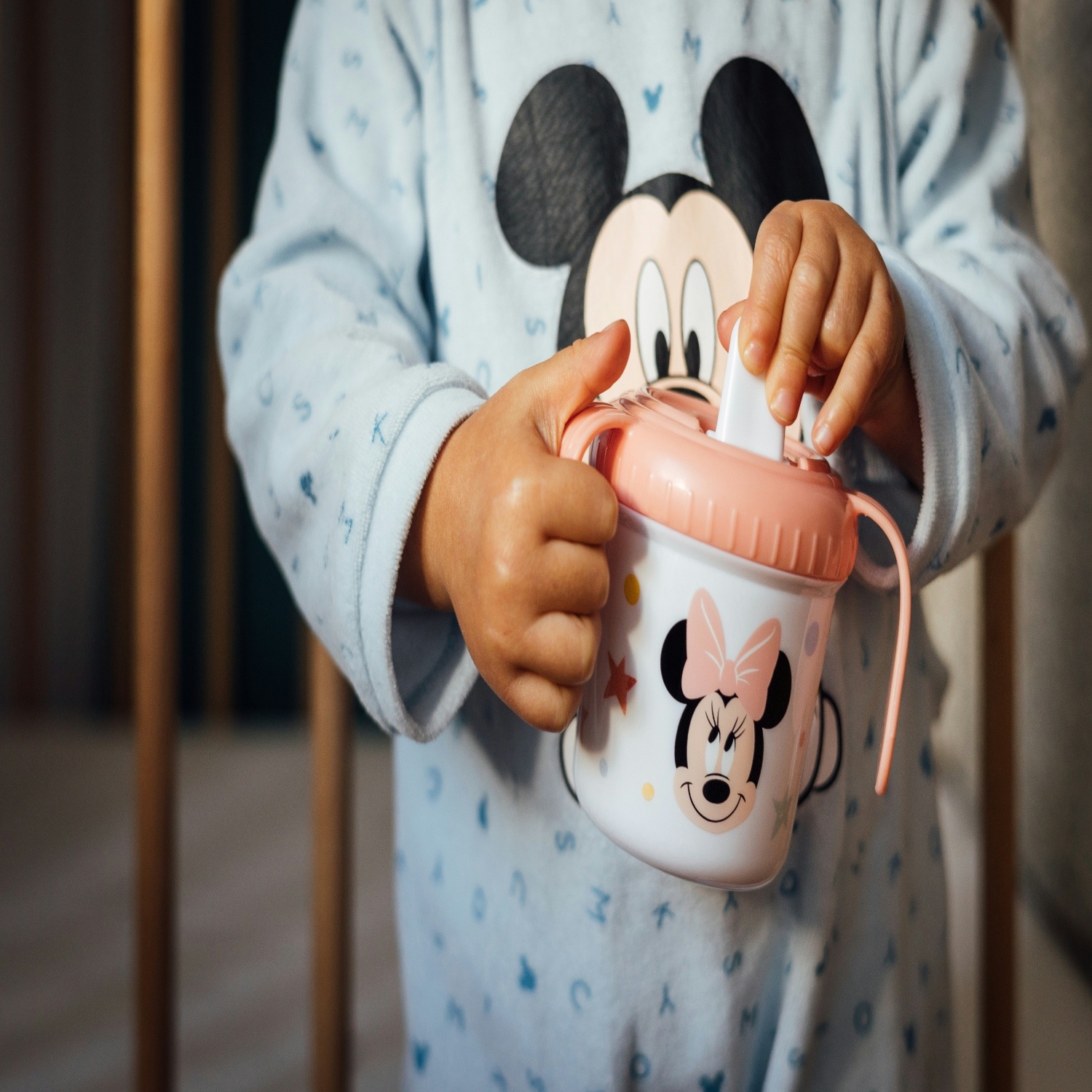
Learning to drink from a cup is a gentle but important step for every baby and toddler. Many parents wonder, “When can kids drink out of a cup?” or worry about when and how to make the transition safely. This guide supports you through those first sips with up-to-date expert recommendations, real-life reassurance, and practical steps—grounded in both child development and parent confidence. The journey from bottles to cups is about more than just mess and milestones—it shapes healthy eating, hydration, and dental habits for years to come. Here’s what current pediatricians, dental associations, and feeding experts recommend, so you can make this transition with calm and care.
Why cup transitions matter for babies and toddlers
It’s natural to wonder about the right age, signs of readiness, and possible risks as your child explores drinking from a cup. The timing and approach can influence more than mealtime—it also supports oral-motor development and helps protect your child’s dental health. Pediatric dentist organizations and the American Academy of Pediatrics (AAP) advise parents to gently introduce a cup as part of a child’s feeding and developmental path. Early cup practice makes future dental care simpler and builds independence. For more in-depth guidance on related skills, explore our articles on dental care for toddlers and feeding milestones.
When is it safe to introduce a cup to your baby?
Guidance from pediatricians and dentists
Parents often ask, “At what age can kids drink out of a cup?” and, “When is it safe to give a baby a cup?” According to the AAP and pediatric dental experts, most babies are ready to start practicing around six months of age—typically soon after solids are first introduced.
At this age, offer small amounts of water, breastmilk, or formula in a cup as part of meals. Safety comes first: always supervise, use a small amount of liquid, and let your baby experiment even if it gets messy. Learning takes time, and spills are part of the process. Your calm attitude helps your child associate cups with safety and curiosity—not stress.
Why start the transition at 6 months?
Introducing a cup around 6 months is developmentally supportive. Babies are learning to sit with help, bring objects to their mouths, and start chewing—skills that naturally overlap with cup drinking. Gradual cup practice strengthens oral-motor muscles and hand coordination, preparing children for self-feeding and a more varied diet. It’s also the age when starting positive hydration habits supports healthy growth. Remember, this is a slow journey—most children do not master cup drinking right away. For more detail on related milestones, visit our feeding milestones resource.
Types of cups and what each teaches your child
Open cups
An open cup is simply any cup without a spout or lid—just like what adults use, only smaller and lighter for tiny hands. Pediatric dental associations consider it the best option for oral-motor development and for supporting natural swallowing patterns. Practicing with an open cup helps decrease exposure to sugary liquids and supports healthy oral bacteria. Offer a few sips with meals, starting with small amounts of water at six months and never leaving your child unattended.
Straw cups
Straw cups use a built-in or removable straw. They are a positive developmental option and can be introduced early—between 6 and 9 months. Sucking through a straw strengthens tongue elevation and swallowing skills, and can help babies who are transitioning from bottles. Gentle guidance and regular practice help your child get the hang of it. It’s often easier for some children than open cups, and can work well for both meals and outings.
360 or trainer cups
360-degree or trainer cups are spill-resistant options with a non-spouted rim. Children can drink from any edge, which mimics open-cup drinking. Many families use trainer cups for convenience, especially outside the home or when stains are a concern. While these cups are useful transitional tools, experts note that they are best seen as a short-term step. Ultimately, encouraging confident use of an open or straw cup is ideal.
Sippy cups and spouted cups
Sippy cups have hard or soft spouts and are widely used for their spill-proof design. However, speech and dental specialists agree that long-term use may affect jaw or tongue movement and drinking patterns, and can increase exposure to sugary drinks. Brief or occasional use is not harmful, but sippy cups are best viewed as a temporary starting point rather than a long-term habit. For more guidance on mouth development and alternatives, see our feeding milestones article.
When should kids stop using bottles and sippy cups?
Expert timelines for weaning off bottles
Many parents ask, “When should kids stop using sippy cups?” and, “When should kids stop bottles?” Evidence-based guidelines recommend beginning the weaning process at 12 months and finishing by 18 months for bottles. By around 24 months, most children should be comfortable drinking from an open cup. This guidance comes from dental and pediatric associations focused on preventing tooth decay, supporting speech, and developing healthy eating patterns. However, it’s important to remember that every family’s journey looks different—these are targets, not deadlines.
Health reasons for cup milestones
Timely cup transitions help prevent cavities, reduce unnecessary exposure to sweetened liquids, and shape healthy diet patterns as children grow. Studies show that extended bottle or sippy cup use is linked to a higher risk of dental caries and unbalanced snacking. Promoting open-cup or straw-cup use also encourages the motor and speech development that sets the foundation for joyful eating and communication. If you’re past the suggested age, know that making small changes still protects your child’s health—progress at your family’s pace is always valuable.
How to help your child learn to drink from a cup
Step-by-step transition plan
Supporting your child’s cup journey works best when taken in gentle, realistic steps:
- Begin by offering a small open cup with water at one meal each day
- Model drinking from a cup so your child can imitate you
- Let your child help clean up spills (it teaches both independence and responsibility)
- Increase open-cup opportunities as your child’s confidence grows
- Expect messes and setbacks—these are signs of learning, not problems
The key is consistency, not perfection. Some children may need weeks or even months to feel comfortable. Celebrate effort, not just success.
Limiting bottle and sippy cup use with kindness
Shifting routines can be emotional for everyone. Use kind, clear language like, “We use our cup at mealtimes now,” or “The bottle stays in the kitchen.” Replace bedtime bottles with cuddles, stories, or soft routines. Offer water for comfort if needed, and stay firm but gentle as your child adjusts. Nighttime transitions can be hardest—start there if your child is most attached, and remind yourself that slow progress is still progress.
Troubleshooting and mess management
Spills, refusals, and regressions are expected. Strategies that help include:
- Use open cups at home and straw or trainer cups when out
- Give your child time to explore and play with cups between attempts
- Keep paper towels or a cloth nearby for easy clean-up
- Reassure your child—and yourself—that frustration is normal
If you’re facing ongoing struggles, pause and revisit the transition in a few days. Trust that mastery comes with time and gentle encouragement.
Quick checklist for busy parents
- Start introducing an open cup at 6 months with water, breastmilk, or formula
- Try different cup types to find your child’s preference (open, straw, 360/trainer)
- Aim to complete bottle/sippy weaning by 18–24 months
- Be patient with setbacks; practice makes progress, not perfection
- Consult your pediatrician if you have feeding or developmental concerns
Consider printing this checklist or using infographics to support your transition plan day to day.
Exceptions, diverse paths and when to ask for support
Medical or developmental concerns
Some children face unique feeding or motor delays, medical conditions, or other challenges that affect cup transitions. If your child is struggling or has been diagnosed with a complication, reach out to your pediatrician, speech-language pathologist, or a feeding specialist. There are many ways to reach cup milestones, and compassionate, personalized plans make a big difference. Every family’s path is valid and worthy of support.
FAQ: Common cup and bottle transition questions
Are sippy cups bad? Sippy cups are not inherently unsafe but are best used briefly as a starter. Long-term use is not advised by dental or feeding experts due to oral development concerns.
What if my toddler still uses a bottle at 2? While it’s common, weaning helps lower the risk of dental issues. Start the transition gently—small changes help, and support is available if you need guidance.
How do I stop bottles at night? Replace bedtime bottles with water, cuddles, or a soothing bedtime routine. Prepare for some resistance but stay consistent. Find more approaches in our sleep and nighttime feeding strategies.
My toddler won’t drink water—what now? Keep offering water in different cups, experiment with temperature, and offer small, playful amounts. If worries persist about hydration or feeding, check with your pediatrician for support.
Key takeaways for real-life parents
Learning cup skills is a journey for both children and parents. Experts recommend beginning cup introduction at 6 months and completing the transition by around age 2—but flexibility, patience, and tuning in to your family’s needs matter most. There is no one “right” timeline; every small step forward counts toward lifelong health, confidence, and independence.
If you want more resources for this and other parenting milestones, explore our expert guides on toddler dental health, feeding milestones, and our collection of real-life parent solutions and gentle strategies. We’re here to support every family—wherever you are on your cup journey.