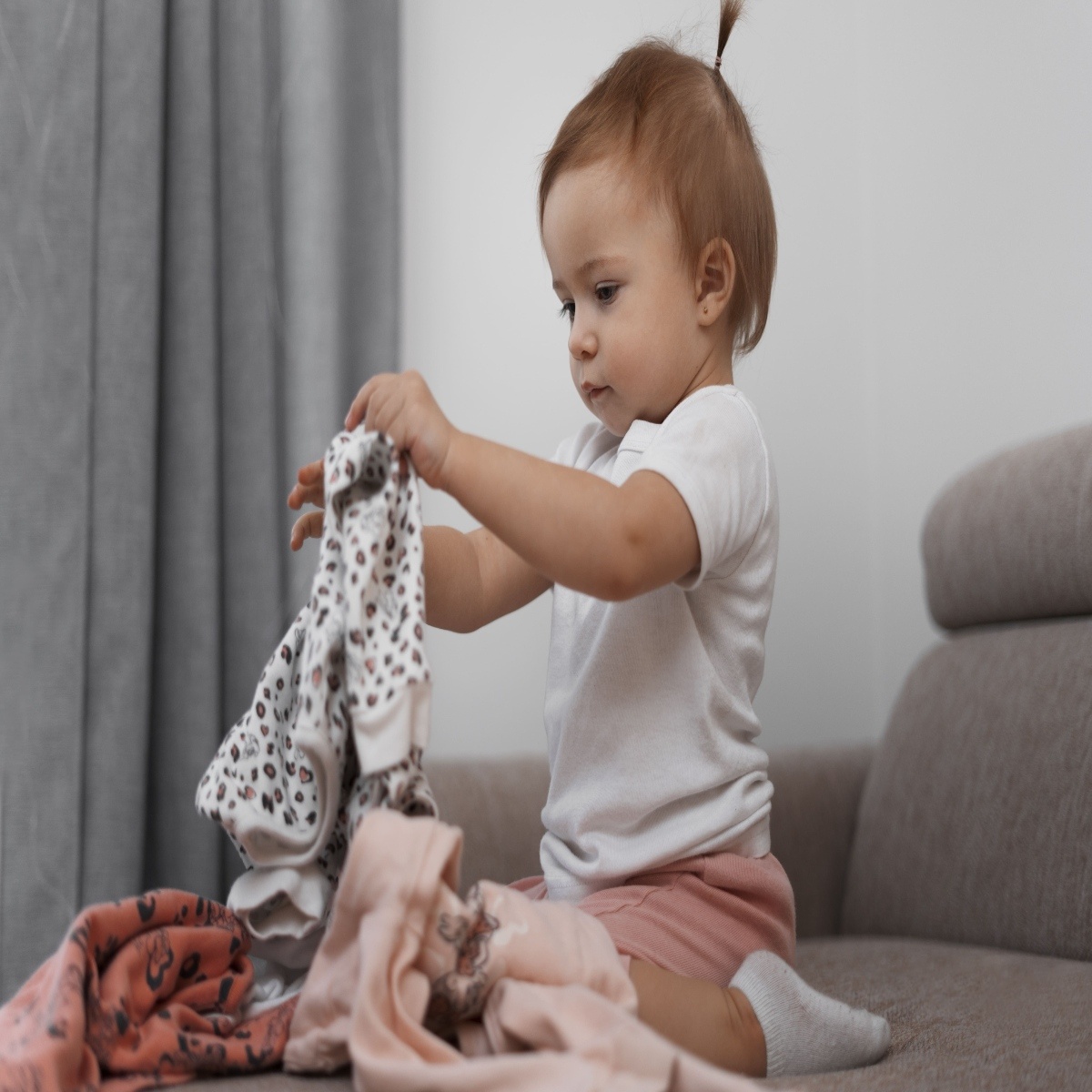

What makes 100 cotton toddler clothes gentle on sensitive skin
Every parent understands the instinct to protect their child’s delicate skin. Toddler skin is thinner and more sensitive than that of adults, making it especially prone to irritation, discomfort, and allergic reactions. Conditions like eczema and rashes often appear during these early years, leaving many families searching for gentle, trustworthy clothing options.
This is where 100 cotton toddler clothes shine. Cotton is celebrated by pediatricians and dermatologists alike for its soft, smooth fibers. As a natural and breathable material, it allows air to circulate and helps keep moisture away from sensitive skin. Unlike many synthetic fabrics, which can trap heat and dampness, cotton gently supports a toddler’s natural temperature regulation.
Another benefit is its hypoallergenic nature. 100 cotton toddler clothes minimize exposure to harsh chemicals and irritants, which is particularly helpful for children who are susceptible to eczema or skin sensitivities. Choosing pure cotton for your child’s wardrobe can help reduce the risk of flare-ups caused by rough textures or unwanted additives in blended fabrics.
For more on fabric choices and sensitive skin, explore our guide on best fabrics for baby skin sensitivity.
The sustainability benefits of 100 cotton clothes for kids
Today’s families are increasingly aware of how their choices impact both their children and the world they inhabit. For many, selecting 100 cotton clothes for kids is rooted in a desire to support sustainable, eco-conscious living from the very start.
Organic cotton in particular is grown without the heavy use of synthetic chemicals and pesticides. According to research, this significantly reduces water pollution and creates safer growing conditions for farm workers and surrounding communities. The cultivation of organic cotton often uses less water than conventional methods, helping to conserve precious resources. For families who want to make a positive environmental impact, 100 cotton toddler clothes offer a path that aligns with those values.
Durability is another important aspect. High-quality cotton garments are designed to last, weathering repeated washing, play, and adventure. This makes cotton a favorite for hand-me-downs between siblings or friends, reducing the need for frequent new purchases and cutting down on textile waste. Parents who choose these clothes often find comfort in knowing their investment supports both family and planet in meaningful ways.
For those considering more sustainable family routines, we invite you to read about eco-friendly parenting and sustainable swaps.
How gender-neutral and timeless styles extend the life of 100 cotton toddler clothes
There is a gentle shift happening in children’s fashion: more families are seeking out gender-neutral and minimalist designs. When it comes to practicality and inclusivity, gender-neutral 100 cotton toddler clothes make sense for real life. These versatile pieces are easy to share between siblings and friends, without being limited by traditional notions of color or style.
Classic colors—like cream, grey, navy, and forest green—pair naturally across seasons and work beautifully for any child. Simple prints, unisex cuts, and practical features such as elastic waistbands or adjustable straps help these garments transition through stages and hand-me-down cycles.
Timeless cotton pieces invite intentional parenting, reflecting a focus on comfort, function, and values over fleeting fashion trends. Whether you choose a soft, white cotton t-shirt or a cozy knitted sweater, each piece plays a part in a wardrobe built to last—and to welcome all children, just as they are.
Dressing your toddler in cotton through every season
Daily routines and changing weather call for ease, comfort, and flexibility in your child’s wardrobe. 100 cotton toddler clothes can be adapted year-round, supporting your child’s active, adventurous days from the playground to bedtime.
For warm summer months, opt for lightweight, loosely woven cotton tops and shorts. The fabric’s breathability provides cool relief, while moisture-wicking helps prevent overheating. In chilly seasons, layering is key. Start with a snug cotton base layer, then add wool or fleece as needed for warmth. While cotton is cozy and familiar, be mindful that it retains moisture; if your toddler plays in rain or snow, layer a weather-resistant piece on top to keep them comfortable.
When it comes to care, cotton stands up well to everyday wear. Choose gentle, fragrance-free detergents and wash on a cool cycle to maintain softness and minimize environmental impact. For tips on stain removal and preservation, see our laundry tips for baby and toddler clothes.
Balancing clean clothes with a toddler’s natural messiness is an act of grace. Cotton’s resilience allows you to prioritize play and discovery—knowing their clothes can withstand the adventure.
Certifications and brands parents trust for 100 cotton clothes for kids
The marketplace for children’s clothing can be overwhelming, but a few reputable standards help families make safe, ethical choices. Global Organic Textile Standard (GOTS) certification ensures cotton is grown and processed with strict environmental and social criteria in mind. OEKO-TEX STANDARD 100 tests fabrics for harmful substances, providing confidence that they are gentle against sensitive skin.
Trusted brands offering high-quality 100 cotton clothes for kids include BIBS (with a focus on Scandinavian simplicity), Mini Rodini, and Frugi. Many small, local labels are also deeply committed to organic production and ethical labor practices.
When shopping, look for clear labeling that lists fabric content and certifications. Research a brand’s sourcing practices when possible, or refer to guides on choosing safe baby products. Remember, even small changes—such as choosing one or two certified cotton basics—contribute positively.
Finding balance parenting choices practicality and peace of mind
Every family is unique, and so is every parenting journey. For some, budget or accessibility may guide clothing choices; for others, tradition or convenience might play a role. What matters most is responding to both your child’s needs and your evolving family values with care and thoughtfulness.
There is no single “right” way to dress your child. Choosing 100 cotton toddler clothes offers one approachable, nurturing solution, but it does not define good parenting. The small, everyday acts—washing a favorite soft shirt, passing down a simple romper, or choosing comfort on a busy day—reflect your deep intention to nurture and connect.
As you care for your child, know that peace of mind is found not in perfection, but in making gentle, informed decisions that honor your family’s story and your child’s wellbeing.